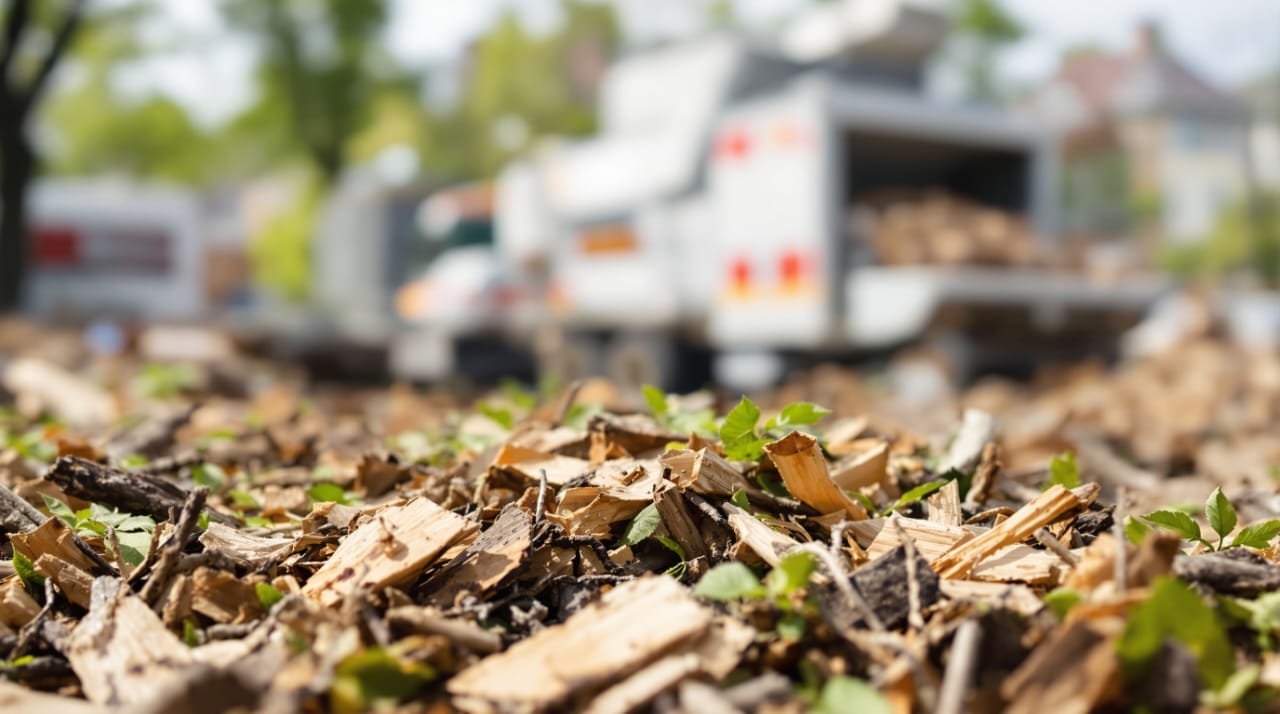
Leaf season in the fall, storm debris in winter, spring cleanups, and summer bulky waste programs can overwhelm even well-organized municipal systems. To respond without permanent overcapacity, many cities now rely on flexible solutions such as the Komplet Krokodile Mobile Slow-Speed Shredder, produced by Komplet, which allows municipalities to scale waste processing exactly when and where demand increases.
Managing these fluctuations efficiently requires a combination of planning, adaptable equipment, and cost-conscious decision-making.
Understanding seasonal waste spikes
Seasonal waste spikes management refers to predictable surges in waste volume that occur at certain times of the year. Unlike daily household waste, these surges are temporary but intense.
Common examples include:
- Autumn leaf and green waste collection
- Winter storm and ice damage debris
- Spring household cleanout programs
- Summer bulky item and yard waste pickups
Without proper preparation, these spikes can lead to overflowing collection points, increased hauling costs, and public dissatisfaction.
The limitations of permanent infrastructure
Many municipalities historically addressed peak demand by expanding permanent infrastructure. Larger transfer stations, fixed shredding plants, or additional long-term contracts were common solutions.
However, permanent systems are rarely efficient for seasonal demand. They:
- Sit underutilized most of the year
- Require high capital investment
- Increase maintenance and staffing costs
- Reduce flexibility during unexpected events
This is why modern municipal waste management solutions increasingly favor temporary and mobile approaches.
Why flexibility matters in municipal operations
Municipal waste systems must serve the public year-round while remaining fiscally responsible. Flexibility allows cities to respond to demand spikes without overspending during normal periods.
Mobile and temporary waste processing solutions make it possible to:
- Deploy equipment only during peak seasons
- Relocate processing capacity between districts
- Adjust quickly to storms or emergencies
- Avoid long-term infrastructure commitments
This adaptability is especially valuable for mid-sized and smaller municipalities with limited budgets.
Processing waste closer to where it is collected
One of the most effective ways to manage seasonal surges is reducing transportation distance. Hauling bulky material across a city or region during peak times strains fleets and staff.
Mobile shredding equipment for municipalities enables on-site or near-site processing. By reducing waste volume before transport, cities can:
- Increase truck load efficiency
- Reduce fuel consumption
- Minimize traffic disruption
- Shorten collection cycles
This approach is particularly effective during leaf season and storm cleanup, when material is bulky but relatively lightweight.
Managing bulky and green waste efficiently
Bulky waste processing programs often generate the highest seasonal volumes. Furniture, branches, pallets, and oversized household items quickly fill collection areas.
Slow-speed shredders are well suited for this material mix. Their high-torque, low-speed operation safely handles:
- Green waste with embedded debris
- Wooden furniture and pallets
- Storm-damaged branches and limbs
- Mixed bulky items with minor contamination
By shredding these materials locally, municipalities reduce storage pressure and prepare material for recycling or composting.
Reducing costs during peak demand
Seasonal waste spikes can cause short-term budget overruns if handled inefficiently. Extra hauling, overtime labor, and emergency contracts quickly add up.
Efficient municipal recycling strategies focus on controlling variable costs rather than expanding fixed expenses. On-site or temporary shredding reduces:
- Number of hauling trips
- Landfill tipping fees
- Emergency outsourcing costs
Over multiple seasons, these savings can be substantial, allowing municipalities to reinvest in other services.
Improving response to storms and emergencies
Not all waste spikes are predictable. Severe weather events can generate massive debris volumes in a matter of hours.
Temporary waste processing solutions allow cities to respond quickly by positioning equipment near affected areas. Instead of transporting debris long distances, material is processed locally and moved in a more compact form.
This rapid response capability:
- Speeds up cleanup efforts
- Reduces road congestion
- Improves public safety
- Restores normal services faster
For emergency preparedness, mobile processing capacity is increasingly viewed as essential.
Supporting sustainability and public expectations
Residents expect municipalities to manage waste responsibly, especially during large cleanup campaigns. Sustainability is no longer optional.
Mobile shredding supports efficient municipal recycling strategies by:
- Increasing recycling and composting rates
- Reducing landfill dependency
- Lowering emissions from transport
- Demonstrating proactive environmental stewardship
Processed material is easier to divert into recycling streams, helping cities meet environmental targets and regulatory requirements.
Staffing and operational simplicity
Seasonal peaks often require temporary staff or reassigned crews. Complex systems increase training time and operational risk.
Slow-speed shredders are typically straightforward to operate and maintain. This simplicity allows municipalities to:
- Train seasonal staff quickly
- Reduce operator error
- Maintain consistent throughput
- Minimize downtime during peak periods
Operational simplicity is a key factor in maintaining service reliability when demand is at its highest.
Planning for predictable peaks
Successful seasonal waste spikes management begins with planning. Municipalities that analyze historical data can anticipate volume increases and deploy resources accordingly.
Effective planning includes:
- Identifying peak periods by material type
- Positioning mobile equipment strategically
- Coordinating collection and processing schedules
- Communicating clearly with residents
When equipment and logistics are aligned, seasonal surges become manageable rather than disruptive.
A smarter approach to municipal waste challenges
Seasonal waste spikes are unavoidable, but inefficiency is not. Municipalities that rely solely on permanent infrastructure often struggle with cost and flexibility. Those that embrace mobile, temporary waste processing solutions gain the ability to scale operations precisely when needed.
By reducing hauling, improving local processing, and supporting recycling goals, modern municipal waste management solutions turn seasonal challenges into controlled operations. As cities continue to face budget pressure and rising public expectations, flexible approaches will define the future of efficient municipal recycling strategies.