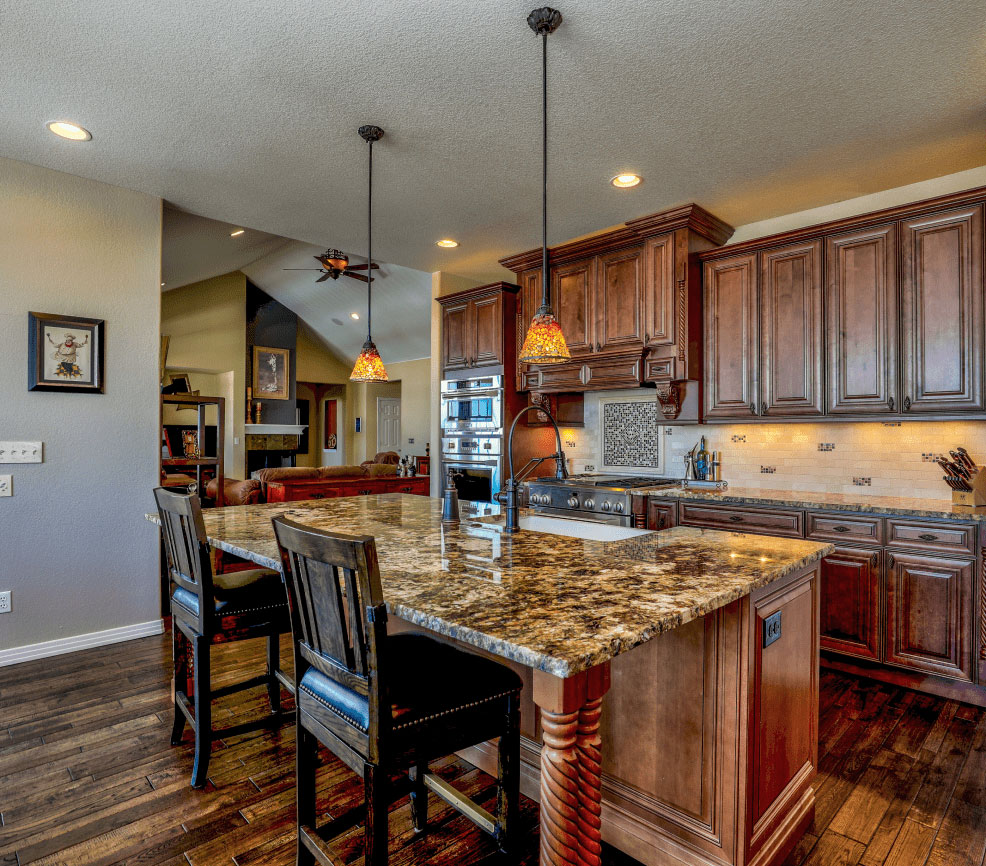
If you’re planning a kitchen remodeling in 2026 or beyond, it pays to think ahead. Some looks that were everywhere a few years ago are starting to feel tired. For example, the classic all-white kitchen – once synonymous with clean, modern style – is “losing its appeal,” since it can feel “too sterile and lacks personality”. Same goes for dreary gray-on-gray schemes. In my own visits to design showrooms and open houses, I’m seeing far fewer of these monochrome spaces. Homeowners tell me they want kitchens that feel cozy and lived-in, not like an appliance store! In short: white subway tile backsplashes, white cabinets and white quartz counters may still be safe, but they’re no longer exciting, and many buyers say they want warmer, more organic palettes.
Meanwhile, some hard-to-miss aesthetic trends are actually fading. For example, open shelving – the Instagram-friendly shelves that let you display all your dishes – was huge a decade ago. But designers and homeowners alike are pushing back now. As one expert bluntly put it, open shelves “are dust collectors” and often look cluttered in real life. (I can attest: nothing shows off dusty cereal boxes like open shelves!) Southern Living recently noted that open shelving “accumulated more dust than any other design element,” making people glad to return to closed cabinetry. In practice, closed pantry-style cabinets and glass-front doors are growing popular again, because they hide the mess and make kitchens feel cleaner.
Another look that’s dwindling is the industrial loft aesthetic. Rough brick walls, metal pipe shelves, and concrete counters might have felt trendy a few years back, but designers warn this can feel “cold and uninviting” in a home. We’re seeing a shift toward warmer materials: rich woods, honed stone, layered textures. Even if you love a bit of metal or concrete, most remodelers now mix those elements with natural wood accents and plants so the space doesn’t read like a factory. For example, one designer suggests pairing a concrete-look countertop with warm amber wood cabinets, or matching stainless steel appliances with rustic wood shelving. The key is balance: pure “industrial” can feel sterile, but a hint of metal with warm woods feels fresh yet cozy.
Likewise, faux finishes are on the way out. Fake wood and fake stone (think peel-and-stick paneling or MDF lumberyard cabinets that mimic wood grain) were wildly popular as DIY projects, but today they look cheap to many eyes. We’re definitely seeing clients opt instead for genuine materials – real hardwood, natural stone, or high-quality engineered surfaces – for an authentic feel. In practical terms, that might mean quartz or composite counters over old-school granite (granite is “being phased out… seen as dated”) and solid-wood cabinetry instead of laminates. These choices may cost more upfront, but they last longer and appeal to buyers later on.
Some specific “trick” features are also falling out of favor. For example, the over-the-range microwave (yep, that bulky stainless microwave above the stove) is starting to look dated. Designers note that removing it and switching to a microwave drawer or built-in model creates a cleaner, more streamlined look. Similarly, double-island kitchens or split-level breakfast bars are now seen as overkill in most homes; one island with smart seating is usually enough. Even luxury touches like pot-filler faucets (those little taps over the stove) are being questioned – many designers say they “sound luxurious” but often go unused, adding clutter and even interrupting backsplash designs.
In short, trends to ditch include:
- Excessive minimalism and monochrome (all-white or all-gray schemes).
- Overly open shelving (dusty displays).
- Stark industrial materials used alone (raw concrete, exposed brick without soft accents).
- Faux or purely DIY finishes (fake wood/stone laminates).
- Gimmicky “extras” with limited functionality (microwaves over range, pot fillers, double islands).
If your kitchen currently has any of these, they’re not immediate deal breakers, but they’re worth rethinking if a remodel is due. Personally, I’ve steered clients away from these dated looks in favor of elements that feel more timeless and inviting.
New Directions: Design Moves worth Betting On
By contrast, the new trends feel all about warmth, personality, and future-proofing. Let’s break them down:
- Warm Woods & Rich Textures. Out goes the cold sameness, in comes natural material beauty. I’m loving that designers everywhere are championing real wood. Whether it’s walnut, cherry, or warm oak, wood grain is getting a major comeback in cabinets, islands, and even planked ceilings. One expert notes that 2026 is all about “heavier woods such as cherry, walnut and deeper oak stains,” which “add warmth and depth to a kitchen”. In practice you might see a walnut island or lighter oak lower cabinets paired with cream uppers for contrast. Textured stone is also trending: thick marble slabs with rounded edges, fluted cabinet faces, or soapstone-like concrete surfaces. These tactile details make the room feel crafted, not just machine-made. A house tour I saw recently featured curved marble countertops with soft edges – it felt both luxurious and organic. Frankly, it’s a relief to see less flat white and more of these materials; a wood island alone can make a kitchen feel cozy.
One great example: a recent kitchen I came across combined a warm walnut island and brass hanging lights (see photo above). The brass and wood together feel inviting, and the open shelving is framed in metal but set against white tile – a balanced mix. This kind of kitchen isn’t just pretty; it’s also practical. Durable wood cabinets and stone counters age gracefully, and buyers recognize their quality. (According to remodeling stats, kitchens recoup about 85% of their cost on a minor remodel when you choose solid finishes like quartz or wood.) In short, I think kitchens rich in natural texture – wood, stone, fluted panels, woven fabrics – are a smart bet for both beauty and resale.
- Color & Personalization. Along with wood, color is coming back in a big way. Think jewel tones (emerald green, navy blue, deep burgundy) and earthy hues (mushroom taupe, ochre, forest green). Goodbye boring neutrals! Industry blogs predict that 2026 kitchen designs will “move away from neutrals like white and beige and embrace more vibrant, bold color palettes”. This might mean painted lower cabinets in a moody blue, or a brick-red island counterbalanced with brass hardware. The key, from a resale standpoint, is to use color thoughtfully: bold on an island or backsplash, then balance with some quiet tones. A splash of color can make a kitchen feel completely new without scaring off buyers – especially if the rest of the house is more neutral. For example, Good Housekeeping notes designers are encouraging “small, intentional moments of personality,” like a bold tile wall or sculptural knobs, which transform the space without overwhelming it. Personally, I love a pop of color behind the stove or in an open shelf area – it says “this home has character,” which can be a selling point if done in a tasteful way.
- Mixed Materials & Layered Finishes. It’s not just one material at a time anymore. The trend now is to mix – wood with stone, metals with marble, matte plaster with glossy tile. This layering makes a kitchen feel collected and custom. One pro notes that “a trend toward mixing materials… adds rich visual interest without feeling overwhelming,” with “layering of textures and tones” bringing depth. For example, you might see a kitchen where upper cabinets are a matte cream, the island front is stained wood, and the countertops are a dramatic veined quartz. Or black metal pendants over a butcher-block nook, contrasting a pale blue backsplash. The point is that by combining elements, your kitchen tells a unique story. In practice, this also lets you highlight sustainability: for instance, you could pair a recycled-glass tile backsplash with reclaimed wood shelves, achieving both a high-end look and an eco-friendly material choice. As one designer said, even “small, private details” like lining interior drawers with walnut can “make the experience of using the kitchen feel elevated”. Those are the kind of special touches that feel custom.
- Concealed, Thoughtful Storage. Ironically, the pendulum is swinging from open shelves back to hidden storage, but in a smarter way. We saw that designers dislike cluttered open shelving – instead, they’re reinventing cabinets. Expect full-height pantries, integrated appliance garages (small counter drawers for toasters or microwaves), and even floor-to-ceiling uppers. One trend is “countertop cabinets,” where upper cabinets run all the way down to the counter (like built-in hutches). This creates a seamless wall of storage with no wasted space. In fact, some chefs now opt for sleek drawer microwaves and flush fridge panels to keep lines clean. Personally, I appreciate this return to concealed storage – it makes a kitchen feel organized and timeless. And it’s great for resale: buyers love a kitchen that looks sharp on move-in day, rather than one that requires constant styling.
- Eco-Conscious Upgrades. Sustainability has moved from niche to essential. A lot of homeowners I talk to now say they want a greener kitchen, both for the planet and for utility savings. Recent surveys found that over half of designers see rising demand for eco-friendly kitchens. So in 2026 design plans, expect more sustainable materials and energy efficiency. For example, recycled and fast-renewable materials like reclaimed wood floors, recycled-glass countertops, bamboo cabinetry, and cork flooring are on the menu. Appliances are another big focus: Energy-Star refrigerators, induction cooktops, and super-efficient dishwashers are basically table stakes now. Even the finishes matter – low-VOC paints and formaldehyde-free cabinet woods (no toxic glues) are gaining ground in kitchens. Not only do these choices help the environment, they also improve indoor air quality and longevity. Frankly, I think an eco-upgrade often boosts resale – buyers nowadays expect at least LED lighting and efficient faucets as basic. Plus, some green upgrades (like water-saving fixtures and smart thermostats) can be selling points in a listing. To put it succinctly: in 2026, a “green” kitchen isn’t just trendy, it’s smart planning.
- Natural Light & Biophilic Elements. A modern kitchen should feel sunny and healthy. I keep seeing designers emphasize bringing the outside in: large windows, skylights, even indoor herb gardens. This “wellness kitchen” concept has people craving more natural light and plants in the cookspace. Having windows above the sink, or even pocket doors that open to a patio, is definitely in vogue. The idea is that a brighter kitchen feels happier (and can boost mood!), so it literally pays to let the sun in. On the materials side, that means choosing colors and textures that mimic nature – stone backsplash, wood floors, and plenty of greenery. For homeowners, a bonus is that a light-filled, plant-friendly kitchen can feel larger and more inviting to buyers. (It is harder to sell a dark cave of a kitchen, and surveys confirm buyers love open, sunny layouts.)
- Smart & Functional Design. Finally, the future kitchen is one that works hard for you. I advise clients to think about how they live: maybe a drop-zone command center (contrary to some trends!) or an extra beverage fridge if entertaining is your thing. Appliances with smart features (fridges that track groceries, touchless faucets, induction ranges) are increasingly common and can make life easier – though I’d caution against blindly following every gadget fad (there’s a reason some designers still steer folks away from too much tech bells-and-whistles). More broadly, kitchens are being designed to accommodate multigenerational living and remote work. Wider drawers, pull-out cutting boards, and even spots for laptops are practical touches. Accessibility isn’t just for senior living: low countertops, pull-down shelves, and good lighting all count for everyone. These thoughtful features may not be flashy, but they add real everyday value – which, by the way, also tends to show up in your home’s appraised value.
Practical Takeaways for Homeowners
At the end of the day, your kitchen should reflect your needs and taste – but a savvy remodeler keeps one eye on the future. Here are a few practical tips gleaned from these trends:
- Embrace Warmth and Personality. An all-white or super-industrial kitchen might be “clean,” but it may also feel cold. Consider swapping some white surfaces for warm woods or colored cabinetry. Even one walnut island or a tinted backsplash can make a huge difference. These changes are attractive to buyers too, since they bring character without going overboard.
- Conceal the Clutter. If open shelves have been tempting, remember the maintenance headaches. A few well-placed glass cabinets, pull-out organizers and a big pantry can keep things tidy and “timeless.” You can still display pretty dishes, but keep everyday items behind doors for a clean look.
- Invest in Quality Materials. Opt for surfaces that stand the test of time. Quartz and composite counters are trending because they’re durable and low-maintenance. Solid-wood or plywood cabinets (vs. particleboard) will wear better. These higher-quality materials may cost more now, but they fetch better resale value – one remodel analysis showed quartz and efficient appliances among the top ROI drivers.
- Add Eco-Friendly and Smart Features. Consider LED lighting, energy-efficient appliances, and even water-saving faucets. These eco-upgrades reduce bills and appeal to the growing eco-conscious buyer. Likewise, think about technology that genuinely adds convenience (like an app-controlled oven or charging stations in the island). Just be careful not to over-personalize: a totally customized paint color or overly niche decor could deter someone looking for a blank slate.
- Plan for Life, Not Just Looks. Ask yourself: Do I need a cozy breakfast nook? Can the island double as a homework desk? Making a kitchen sociable (a built-in bench or larger island seating) is a subtle but powerful trend. After all, many buyers see the kitchen as the “heart of the home” now, not just a cooking space. If you can, include home design elements that let the space adapt – wide aisles, plenty of prep space, and good lighting.
In my view, the best kitchens in 2026 strike a balance: they ditch the tired tropes and embrace natural warmth, personal style, and smart function. Think wood instead of just white, color accents instead of uniform neutrals, well-hidden storage instead of clutter, and green features instead of wasteful gimmicks.