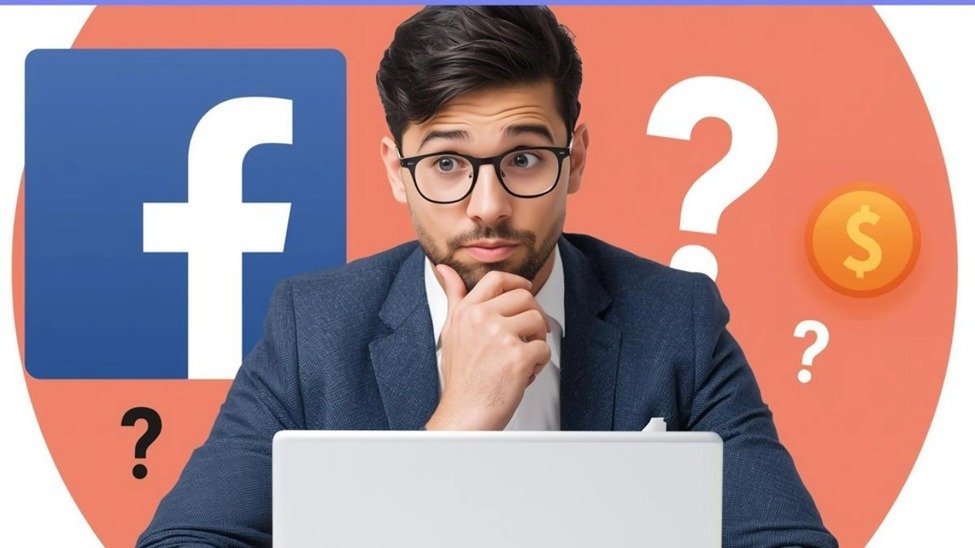
If you’re considering buying a Facebook account, you’re probably facing a specific problem. Maybe your personal account got banned. Maybe you need multiple accounts for business advertising. Maybe you’re running a marketing agency and need separate profiles for different clients. Whatever the reason, you’ve discovered there’s a marketplace for Facebook accounts, and now you’re wondering if it’s actually worth the money and risk.
The short answer is: it depends entirely on what you need it for and how much risk you’re willing to accept. Facebook is far more aggressive about detecting and banning purchased accounts than almost any other platform. Their systems are sophisticated, their enforcement is strict, and their appeals process is notoriously unhelpful. But people still buy accounts every day, and some of them make it work.
Why the Market Exists in the First Place
Facebook’s policies create situations where buying accounts becomes tempting. Their “real name” policy means you can’t officially run multiple personal profiles for different purposes. Their advertising account restrictions mean one ban can lock you out of running ads entirely. Their verification requirements for business pages can be time-consuming and sometimes impossible for certain business models.
I’ve talked to dropshippers who got their accounts banned for minor policy violations and found themselves unable to run ads for their legitimate businesses. Digital marketers managing 10+ client accounts hit Facebook’s limits on how many ad accounts one person can handle. Agency owners need ways to separate client work without tangling everything together under one personal profile.
The market also exists because Facebook accounts have real value. An aged account with years of activity, genuine friends, and a clean history is worth something. It looks more trustworthy to Facebook’s algorithms. It can join groups without immediate suspicion. It can run ads without triggering the review systems that new accounts face.
The Real Cost Beyond the Purchase Price
Let’s talk about what you’re actually paying for when you Facebook 账号 购买 (Facebook account purchase). The sticker price is just the beginning.
Most Facebook accounts sell for anywhere from $15 to $150, depending on age, activity history, friend count, and whether they come with a linked advertising account. Accounts from specific countries with active payment methods attached command premium prices because they’re immediately useful for running localized ad campaigns.
But the hidden costs add up quickly. You’ll probably need to buy proxies or VPNs to match the account’s original location. If the account gets banned within the first week (which happens frequently), you’re starting over. If you’re using it for advertising, you might need to add your own payment method, which creates an audit trail linking the purchased account to your real identity.
Time is another cost people overlook. Setting up a purchased account properly takes hours. You need to gradually change profile information, warm up the account with normal activity, carefully add your actual friends or business connections without triggering spam filters, and constantly monitor for warning signs that Facebook is scrutinizing the account.
When It Might Actually Make Sense
Despite all the risks, there are legitimate scenarios where buying a Facebook account solves a real problem.
You got banned unfairly and Facebook won’t respond to appeals. I’ve seen this happen to people running completely legitimate businesses. Facebook’s automated systems make mistakes. Their support is nearly impossible to reach. If your livelihood depends on Facebook access and you’ve exhausted all official channels, a purchased account becomes a pragmatic solution.
You’re managing multiple distinct business ventures. Facebook’s policies technically require everything under one personal profile, but that becomes unwieldy when you’re juggling different brands, audiences, and advertising strategies. Some entrepreneurs use purchased accounts to keep their business operations separate and organized.
You need accounts in specific markets where you don’t have a presence. If you’re expanding to a new country and need to understand how Facebook works in that market, or if you need to run localized campaigns that perform better with accounts from that region, purchasing can provide access you couldn’t get otherwise.
You’re conducting research or testing. Journalists investigating online scams, security researchers studying Facebook’s systems, or marketers testing different approaches across multiple account types have legitimate reasons to need multiple accounts with different characteristics.
The Risks Are Significant and Immediate
Facebook has invested billions in systems designed to detect exactly what you’re trying to do. Their algorithms look at device fingerprints, IP addresses, browser characteristics, typing patterns, login times, friend network structures, and hundreds of other signals.
The ban rate for purchased accounts is shockingly high. Based on conversations with people in this space, somewhere between 30% and 60% of purchased Facebook accounts get banned within the first month. The percentage is even higher if you’re trying to run ads immediately.
When Facebook bans a purchased account, they often don’t stop there. If they connect it to your real accounts through IP overlap, device sharing, or payment information, they can ban those too. I know someone who lost three legitimate business pages because Facebook connected them to one purchased account they’d tried to use.
The legal risk is non-trivial. While Facebook probably won’t sue individual buyers, using a purchased account violates their terms of service. If you’re using it for business purposes and something goes wrong, you have zero legal recourse. Any money you’ve spent on ads, any data you’ve collected, any audiences you’ve built can disappear instantly with no appeal.
What Separates Accounts That Survive from Those That Don’t
The accounts that last longest share specific characteristics. They’re old, ideally several years old. They have genuine activity history with real photos, posts, and interactions. They come with clear documentation about their origin and history.
The buyers who succeed follow strict protocols. They never log into the purchased account on the same device or network as their real accounts. They spend the first two weeks doing nothing but normal browsing and light engagement. They gradually introduce business activity over weeks, not days.
They also accept that even doing everything right doesn’t guarantee success. Facebook’s systems are unpredictable. Two identical accounts handled the exact same way can have completely different outcomes. One survives for years. The other gets banned in 72 hours. There’s an element of luck involved that no amount of skill can eliminate.
The Alternatives You Should Consider First
Before spending money on a Facebook account, make sure you’ve explored every legitimate option.
Business Manager and Ad Accounts let you run multiple advertising campaigns and pages without needing multiple personal profiles. Many people buy accounts because they don’t realize Facebook already provides tools for their use case.
Facebook’s appeals process, while frustrating, does occasionally work. I’ve seen banned accounts reinstated months after the initial decision. Submit your appeal, provide documentation, and wait. It’s not satisfying, but it’s the legitimate path.
Partner with someone who has a clean account if you’re trying to run ads or manage pages. Hire a contractor, work with an agency, or bring on a business partner who can handle the Facebook side while staying within the platform’s rules.
Shift your strategy entirely. Facebook isn’t the only marketing channel. If you’re constantly fighting their systems, maybe it’s time to focus your energy on platforms where you’re not starting with a handicap.
Finding Sellers If You Decide to Proceed
If you’re moving forward despite the warnings, at least do it smart. Work with established marketplaces that offer some buyer protection. Look for sellers with verified track records and detailed reviews from multiple sources.
Never pay with methods that offer no recourse. Use escrow services or payment platforms that let you dispute transactions. Get everything in writing: account details, guarantees, refund policies.
Ask specific questions before buying. How old is the account? What’s the original location? Has it ever been banned or restricted? What’s included with the purchase? Can you verify the information before completing payment?
Avoid sellers who pressure you, offer deals that seem too good, or refuse to answer basic questions about the accounts they’re selling. The legitimate sellers in this space are running businesses, not scams. They want satisfied customers who come back for more accounts.
The Verdict on Whether It’s Worth It
For most people, buying a Facebook account isn’t worth the risk, cost, and hassle. The ban rates are too high, Facebook’s enforcement is too unpredictable, and the legitimate alternatives are too readily available.
But for a specific subset of users who truly have no other option and understand exactly what they’re getting into, purchased accounts can solve real problems. If you’ve been unfairly banned, exhausted all appeals, and need Facebook access to run your legitimate business, spending $50 on an account might be your only path forward.
The key is going in with realistic expectations. Don’t expect the account to last forever. Don’t put critical business operations on it without a backup plan. Don’t invest heavily in ads or content until you’re confident the account is stable.
If you’re going to buy, services like fb 账号 购买 offer better odds than random sellers, but even the best accounts from the most reputable sellers come with no guarantees. Treat it as a calculated risk, not a solution. Have contingency plans for when things go wrong, because there’s a good chance they eventually will.