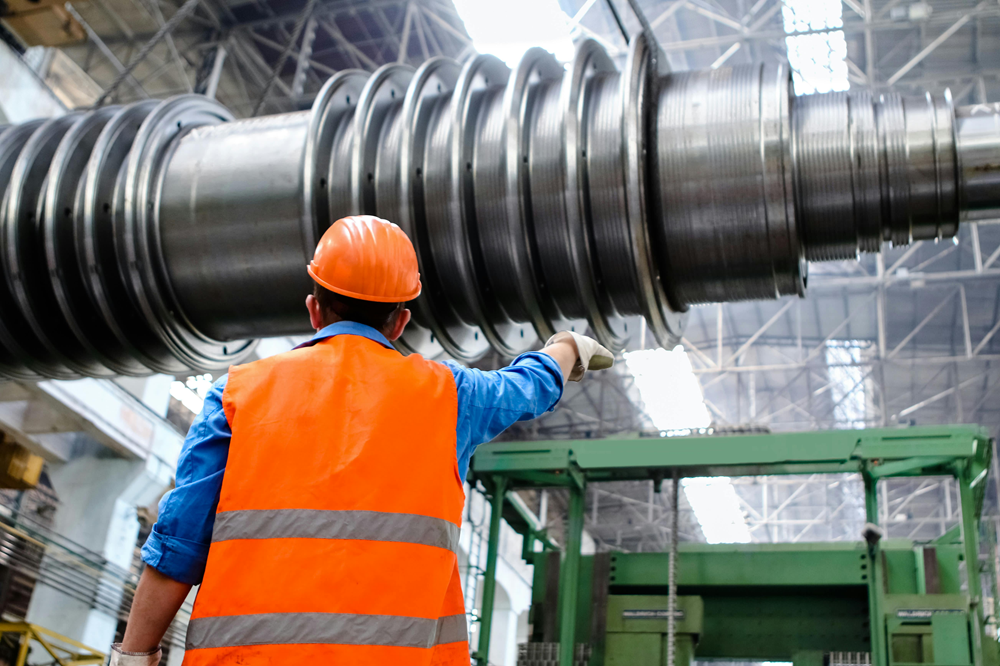
In capital intensive industries, cost control is often treated as a matter of negotiating lower purchase prices or reducing short term operating expenses. While these tactics can create immediate savings, they frequently overlook a more powerful driver of financial performance: durability. Organizations that prioritize high quality components consistently outperform peers who focus narrowly on acquisition cost. The reason is straightforward. Durable components reduce downtime, extend service intervals, improve safety, and stabilize operations. Over time, these benefits compound, often saving millions while strengthening resilience across the entire enterprise.
Durability is not about overengineering or unnecessary spending. It is about understanding the true cost of ownership and making informed decisions that balance upfront investment with long term value. When components fail less often and perform reliably under demanding conditions, organizations gain predictability. That predictability translates directly into lower operating risk and more efficient use of capital.
The Hidden Costs of Cheap Components
Low cost components often appear attractive on procurement spreadsheets, but their shortcomings become evident once operations are underway. Frequent breakdowns, inconsistent performance, and shortened service life introduce expenses that rarely appear in the initial business case. These include emergency repairs, expedited shipping for replacements, increased labor hours, and lost production time.
Unplanned downtime is one of the most expensive consequences of inadequate durability. In manufacturing, logistics, energy, and transportation, even brief outages can halt entire workflows. Downstream delays can trigger penalties, erode customer trust, and disrupt supply commitments. Over a year, recurring failures can cost far more than the price difference between low quality and premium components.
There is also an impact on workforce efficiency. Maintenance teams forced into reactive mode spend less time on preventive activities that actually extend asset life. Morale suffers as skilled professionals spend their days fixing avoidable issues instead of improving systems. These indirect costs are substantial, yet they are rarely captured in short term budgeting discussions.
Lifecycle Cost as a Strategic Decision Tool
Organizations that invest in durability take a lifecycle view of cost rather than focusing solely on purchase price. Lifecycle cost includes acquisition, installation, operation, maintenance, and disposal. When evaluated holistically, high quality components often emerge as the most economical option.
Durable components typically require fewer replacements and less frequent maintenance. They also tend to operate more efficiently, consuming less energy or reducing wear on adjacent systems. Over time, these incremental gains accumulate into significant savings. A pump that lasts twice as long or a bearing that reduces vibration can protect entire assemblies from premature failure.
Lifecycle analysis also supports better capital planning. Fewer unexpected failures mean more predictable maintenance schedules and smoother budgeting. Finance and operations teams can align more effectively, reducing the volatility that undermines long range planning. In this way, durability becomes a strategic asset rather than just a technical attribute.
Reliability Under Real World Conditions
Laboratory performance data can be useful, but real world durability is tested under variable and often harsh conditions. Heat, vibration, contamination, and load fluctuations place constant stress on components. Quality materials, precise manufacturing processes, and rigorous testing make the difference between parts that survive these conditions and those that do not.
In sectors such as aviation and fuel distribution, component reliability is closely tied to safety and regulatory compliance. Additives and treatments are sometimes used to protect systems from environmental stresses and degradation. In this context, solutions like Prist anti-icing fuel additives are integrated into maintenance practices to help preserve system integrity and ensure consistent performance. This example illustrates how durability extends beyond individual parts to include the supporting materials and processes that protect them.
Organizations that understand their operating environment and select components accordingly experience fewer surprises. They design for the conditions they actually face, not an idealized version of operations. This realism is a hallmark of mature, high performing enterprises.
Durability as a Driver of Operational Stability
Operational stability is one of the most valuable outcomes of investing in quality components. Stable operations reduce the need for constant intervention, allowing leaders to focus on growth, innovation, and customer experience rather than troubleshooting.
When equipment performs reliably, production schedules become more accurate. Inventory buffers can be reduced because there is lower risk of sudden disruptions. Transportation networks run more smoothly when vehicles and handling equipment are dependable. Each of these improvements contributes to lower working capital requirements and better service levels.
Durability also supports standardization. When components have predictable performance and long service lives, organizations can standardize designs and procedures across sites. This simplifies training, reduces spare parts complexity, and improves knowledge transfer. Over time, standardization driven by durable components amplifies savings well beyond the individual part level.
Building a Procurement Strategy Around Quality
Achieving long term savings through durability requires intentional procurement strategies. This begins with clear specifications that emphasize performance, reliability, and service life rather than minimum compliance. Supplier selection should consider quality systems, manufacturing discipline, and field performance history.
Partnerships with trusted suppliers are often more valuable than transactional relationships focused on price alone. Suppliers that understand an organization’s operational realities can recommend materials, designs, and maintenance practices that extend component life. These collaborations create shared incentives to reduce total cost rather than shifting risk downstream.
Data plays a critical role in supporting these strategies. Tracking failure rates, maintenance costs, and uptime across asset classes enables continuous refinement of component choices. Over time, organizations build institutional knowledge that makes quality investments more targeted and defensible.
Conclusion
Investing in durability is a disciplined approach to cost control that rewards organizations willing to think beyond short term savings. Quality components reduce failures, stabilize operations, and unlock efficiencies that accumulate year after year. By focusing on lifecycle cost, real world performance, and strategic procurement, leaders can transform durability from a technical consideration into a financial advantage. In a competitive landscape where margins are constantly under pressure, durability is not a luxury. It is a proven pathway to saving millions while building stronger, more resilient operations.
