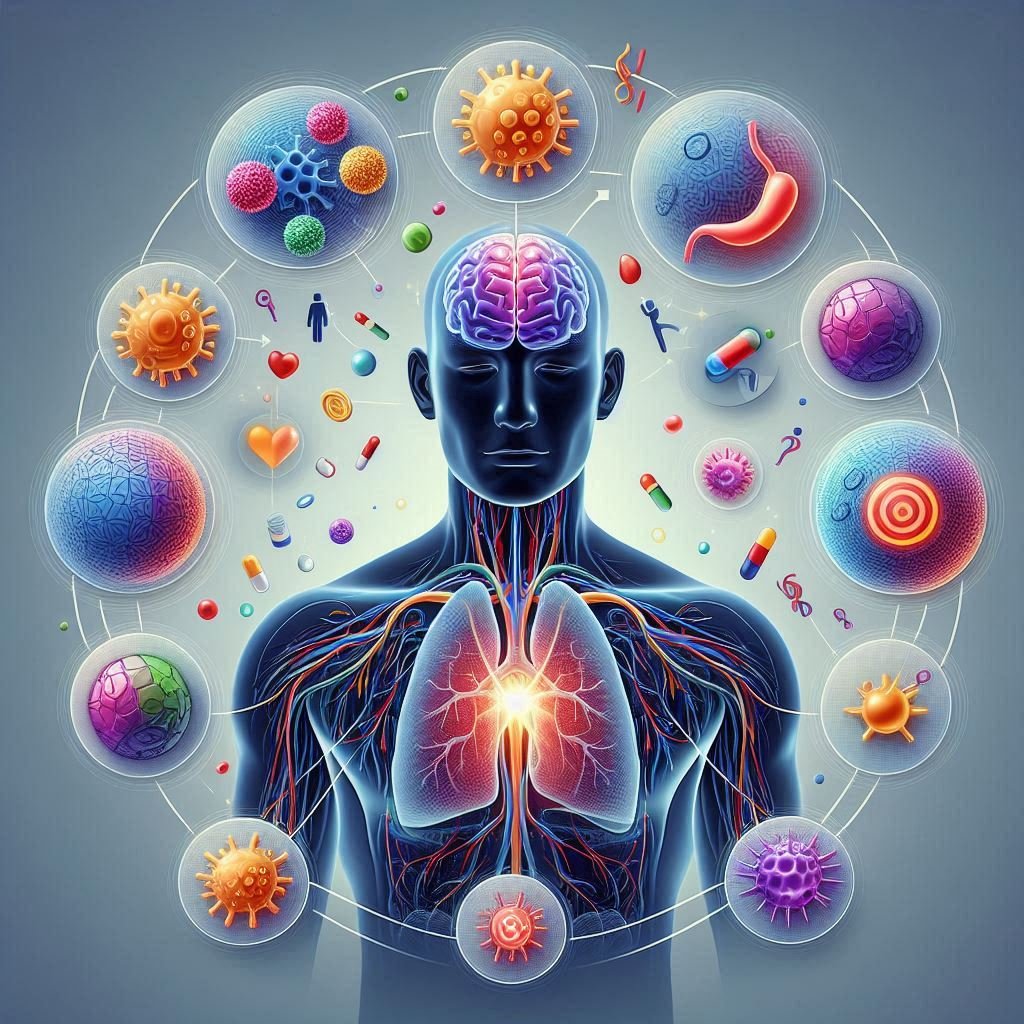
The human body is invariably subjected to a great variety of microorganisms: bacteria, viruses, and other potentially harmful pathogenic agents. The body defends itself with a very complex defense mechanism called immune system. This is a system that is meant to identify, counter and neutralize threats and still be in balance. The innate and adaptive immune systems form the basis of this defense system and collaborate to ensure immediate and extended protection.
The study of the work of these two systems and their interaction is crucial to understanding the manner in which the body reacts to infections. Although the innate immune system is a quick and non-specific response, the adaptive immune system is a finer and long-term response. Their combination creates a co-ordinated response that makes the body able to successfully fight new and old pathogens.
This article will discuss the distinctions and similarities between the innate and adaptive immune systems, their functions, processes, and how they work together to keep an individual healthy.
Introduction to the Immune System
The immune system presents a complicated system of cells, tissues and organs that collaborate to protect the body. It consists of physical obstacles, immune cells, and chemical messages that orchestrate responses to invaders of the body.
The major objective of the immune system is to differentiate between harmful and harmless substances. Upon detection of a threat, a sequence of responses is triggered by the system to remove it. These reactions entail both the innate and adaptive immunities.
The innate and adaptive immune systems are not two distinct entities but rather parts of one system, a unified defense system. Their interaction guarantees short-term protection and long-term immunity.
What Is the Innate Immune System?
The first line of defense by the body is the innate immune system. It offers instant coverage against pathogens and it does not need pre-exposure to identify threats. This system is innate and it reacts fast to infections.
Major Characteristics of Innate Immunity
Natural immunity can be defined as being quick and non-specific. It reacts to a broad spectrum of pathogens in general mechanisms but not to particular invaders.
Physical barriers like the skin and the mucous membranes are vital in excluding pathogens into the body. These obstacles are reinforced with chemical defenses, such as enzymes and antimicrobial proteins.
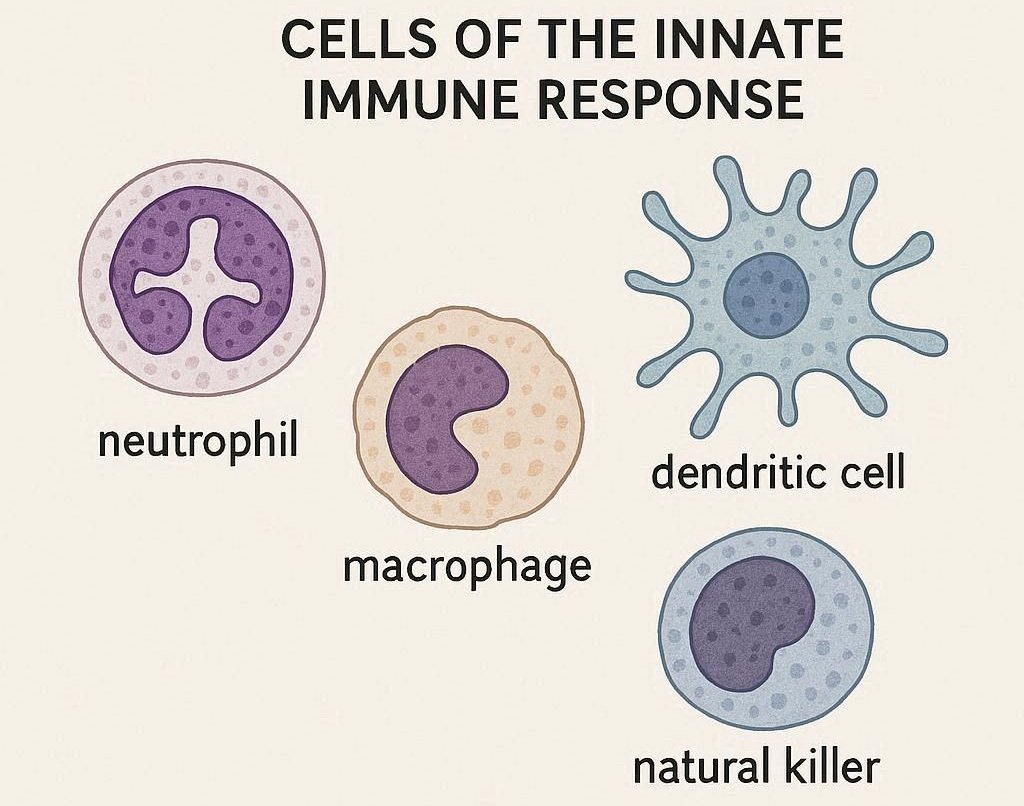
The innate system also includes immune cells, including macrophages and neutrophils. They are the cells which detect and eradicate the pathogens by activities such as phagocytosis.
The mechanism of Innate Immunity
As soon as a pathogen penetrates the body, the innate immune system is triggered. Pathogen-associated molecular patterns (PAMPs) are common features of pathogens acknowledged by cells.
After identification, immune cells react by swallowing and eliminating the invader. Simultaneously, they also secrete signalling molecules that promote inflammation and the infiltration of further immune cells to the place of infection.
This is quick and effective in containing the infection and avoiding its spread.
What Is the Adaptive Immune System?
The second line of defense is the adaptive immune system which is more specialized to pathogens. In contrast to innate immunity, it is acquired as age progresses and becomes more effective as the exposure to a particular pathogen increases.
The Major Characteristics of Adaptive Immunity
Adaptive immunity is very specific and able to identify specific antigens on the pathogens. It also possesses memory thus the body responds faster and better to infections that it has encountered.
The system is based on the specialized cells, including T cells and B cells. It is these cells that detect particular pathogens and direct targeted immune responses.
The Mechanism of Adaptive Immunity
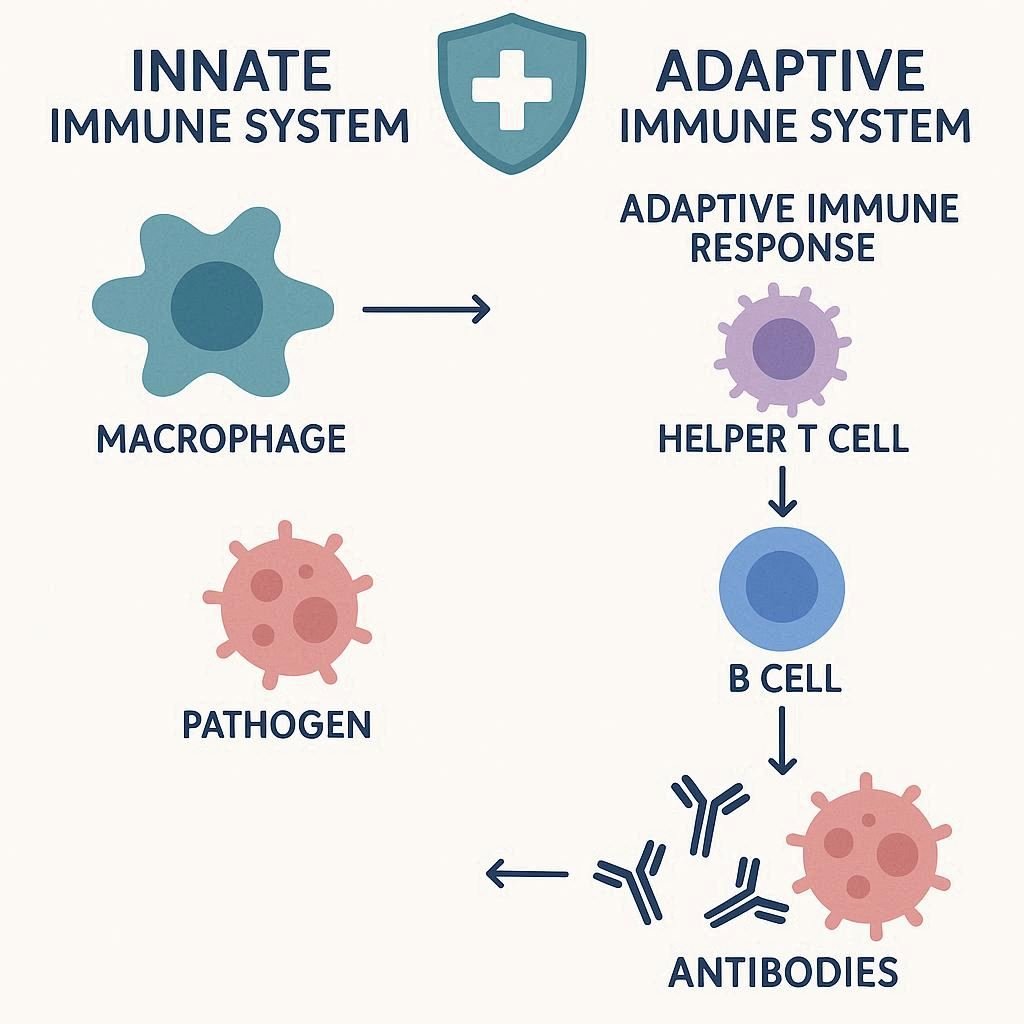
The innate immune system triggers the adaptive immune system when the former is unable to destroy a pathogen completely. Fragments of the pathogen are processed by antigen presenting cells which present them to T cells.
The immune response is then orchestrated by T cells by stimulating the other immune cells. B cells generate antibodies that attach specifically to the pathogen, which is labelled as a target.
The process is more effective and accurate in comparison with the innate response, however, it is longer.
The major differences between the innate and adaptive immunity
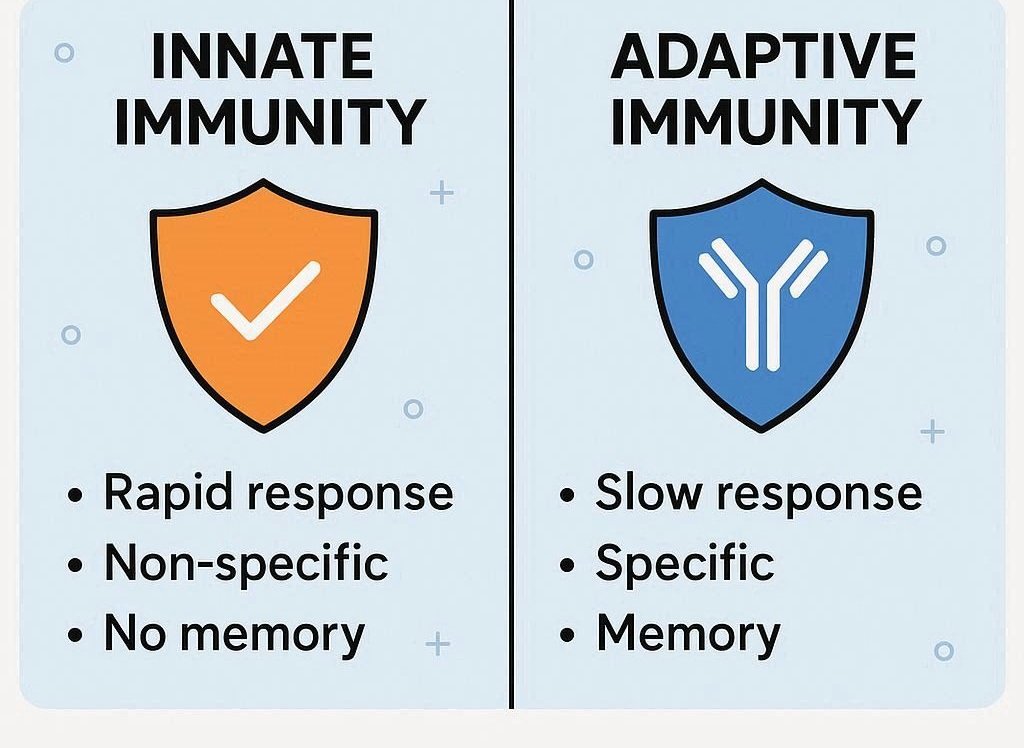
The adaptive and innate immune systems also share a number of significant differences, especially regarding speed, specificity and memory.
The innate immunity reacts instantly to an infection but fails to differentiate between various pathogens. It offers a broad defense that works with a large variety of threats.
On the other hand, adaptive immunity is slow to activate but very specific. It focuses on specific pathogens and remembers the previous infections and is able to respond faster in future.
The other notable difference is the existence of memory. The adaptive immune system forms long-term immunity whereas the innate immune system has no memory of past encounters.
The Interplay between Innate and Adaptive Immune Systems
The innate and adaptive immune systems are different but they act in close coordination in the event of an infection. They can only interact effectively in order to have an effective immune response
The innate system is the initial responder that detects and isolates the pathogen. It also transmits messages that stimulate the adaptive system. In the absence of this first response, the adaptive system could not become effective.
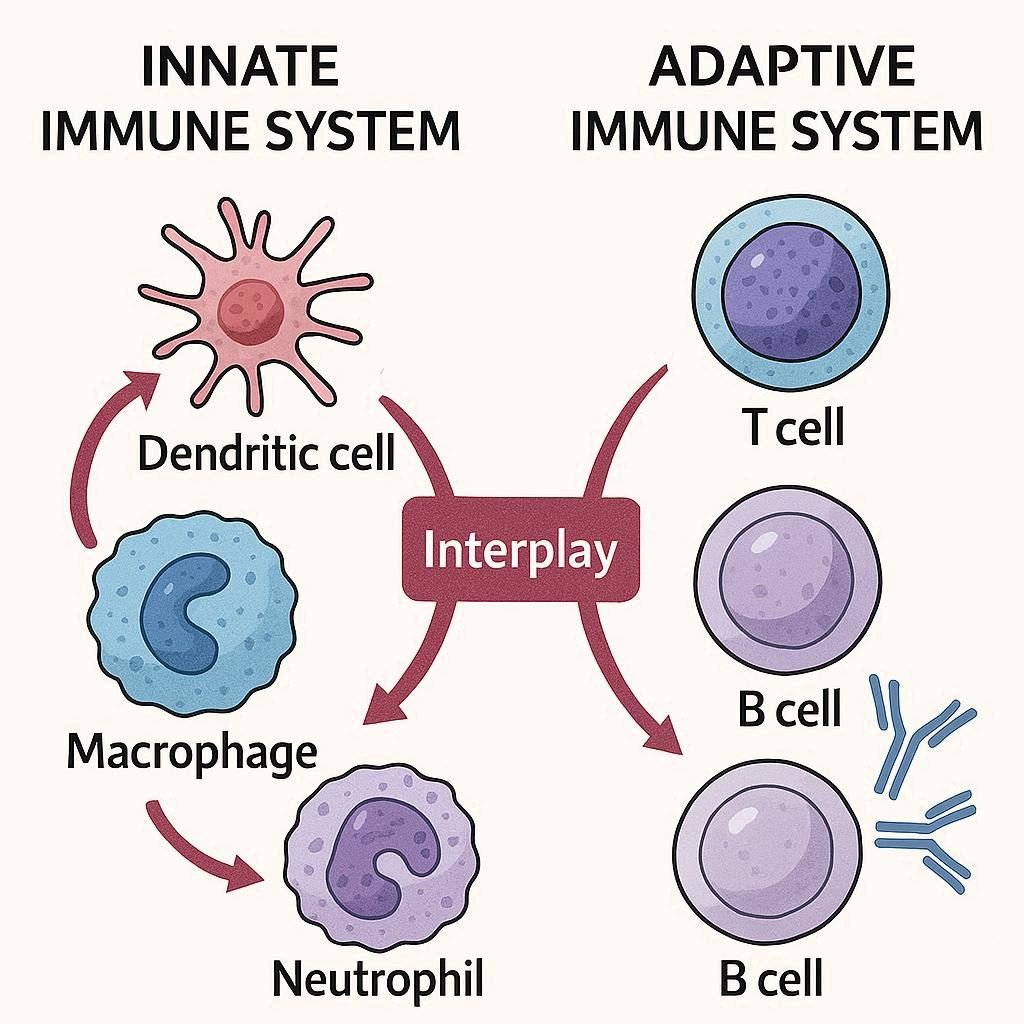
The adaptive system is activated, which improves the immune response more specifically. It is also protective in the long run by immune memory.
This teamwork also means that the body will be able to respond fast to immediate threats as well as be ready to face future encounters.
Long-term Protection and Immune Memory
The adaptive immune system has the ability to reminisce past infections, which is one of the most crucial aspects of the system. This is the memory that results in long-term immunity and is one of the reasons why vaccines work.
The adaptive system makes memory cells when the body is exposed to a pathogen that it has never seen before. These cells will still linger in the body despite the elimination of the infection.
When the same pathogen is experienced again, the memory cells create a quicker and more powerful reaction. This lessens the intensity of the infection or even avert it.
This is not possible to the innate immune system and this explains the relevance of the adaptive system in the long term health.
Inflammatory Response in the Immune Response
A vital part of the immune response, especially that of the innate system, is inflammation. It assists in isolating and removing disease causing agents and facilitating healing.
Upon the damages of the tissues or an infection, the immune cells release chemicals that make the blood flow more vigorous and bring more immune cells. This leads to the common symptoms of inflammation including redness and swelling.
Although inflammation is essential, too much inflammation or prolonged inflammation may be detrimental. This is controlled by the adaptive immune system so that the response is balanced.
The Conditions That Modulate Immune Function
There are multiple factors that may affect the effectiveness of the innate and adaptive immune systems such as lifestyle and environmental factors.
The nutrients required in the immune cell functioning are provided through proper nutrition. Exercise also aids in circulation and boosts immunity. Sleep is a necessity to recover and have immunity.
The management of stress is also of great importance, since chronic stress may impair both innate and adaptive immunity. Healthy lifestyle will also be effective in ensuring that the immune system operates efficiently.
Clinical Significance of Immunity Knowledge
The knowledge of the innate and adaptive immune systems has significant implications to healthcare and disease prevention. It assists in the explanation of the development of infections and the response of the body to treatment.
Examples of vaccines include those that depend on the capacity of the adaptive immune system to form memory. The vaccines prime the immune system by exposing the body to a harmless form of a pathogen, which it can encounter in the future.
This information also helps in the creation of remedies to cases of immunotropic diseases, including autoimmune diseases and allergies.
Conclusion
The immune system is an amazing system that helps the human body to defend itself against any harming factor by the combined action of the innate and adaptive immune systems. Whereas the innate system offers quick, non-specific protection, the adaptive system offers specific and long-term defense.
A combination of these two systems creates an effective defense mechanism, which enables the body to react efficiently against new and known pathogens. Their interaction provides instant protection and also immunization in the future.
Learning the mechanisms of these systems and how they interact, one may better value the natural defenses of the body and make efforts to help them maintain their well-being.