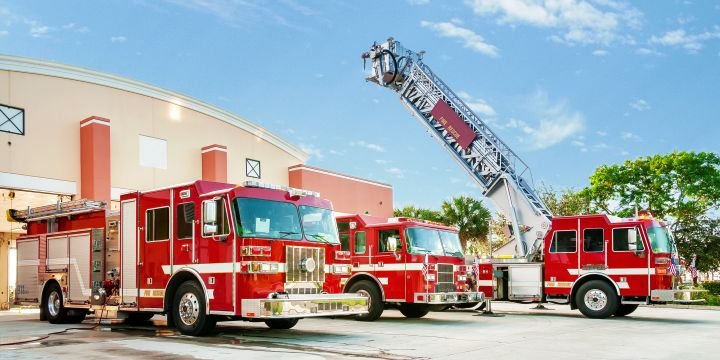
Upfitting emergency vehicles with advanced technology and practical features enhances efficiency, safety, and functionality. These upgrades, including intuitive control systems, high-visibility lighting, and secure storage options, enable swift and effective response in challenging conditions, saving time and protecting lives.
Emergency vehicle upfitting is a transformative aspect of enhancing first responder capabilities. Whether it’s retrofitting ambulances, police cars, or fire trucks, equipping these vehicles with the latest technology and equipment is critical to their effectiveness. As disasters and emergencies become increasingly complex, the demand for well-prepared cars has never increased. The application of innovative upfitting techniques not only bolsters the readiness of these vehicles but ensures they can meet the dynamic needs of emergencies. For an insight into modern upfitting practices, exploring resources at https://tcsupfitting.com/emergency-vehicles/ can provide valuable information and perspective.
The Importance of Advanced Upfitting in Emergency Response
In emergency response, the saying “every second counts” underscores the need for rapid and reliable intervention. Advanced upfitting systems are tailored to meet the rigorous demands of emergency services, ensuring responders can act swiftly and safely. These upgrades often involve a range of technologies that enhance vehicle performance, from sophisticated braking systems to intuitive navigation tools. By equipping vehicles with these capabilities, emergency responders can effectively minimize response times and optimize the chances of mission success. This evolution in upfitting equips responders with more than just functional vehicles; it provides them with critical tools to manage crisis scenarios effectively.
Key Innovations in Vehicle Upfitting
Enhanced lighting systems in emergency vehicles, incorporating advanced LED technology, provide clear visibility and alert others to responding vehicles. Modern designs can include customizable features, improving navigation and traffic flow during emergencies. Advanced communication tools, such as radios, dispatch systems, and GPS, ensure constant connectivity and tracking, facilitating seamless operations and fostering a cohesive response. These technologies minimize errors and maximize efficiency in emergency interventions.
The Role of Technology in Emergency Vehicle Upfitting
Technology is a cornerstone in emergency vehicle upfitting, offering solutions that dramatically expand vehicle capabilities. Incorporating cutting-edge software allows for better data management and decision-making on the fly, enhancing safety and efficacy. Sophisticated hardware installations further ensure that vehicles can withstand the physical demands of emergencies. Advanced systems such as predictive maintenance alert responders to potential mechanical issues before they interfere with operations. The synergy of technology and engineering in vehicle upfitting sets a new benchmark for preparedness, enabling vehicles to function at peak efficiency under the most demanding circumstances.
Benefits of Modern Upfitting Solutions
Modern upfitting solutions improve emergency response by reducing response times, enhancing operational efficiency, improving safety mechanisms, and integrating fuel-efficient technologies and environmentally friendly materials. These solutions also ensure emergency services are equipped to handle various incidents effectively, enhancing overall service delivery. This includes improved safety mechanisms, faster resource deployment, and sustainable practices.
Future Trends in Emergency Vehicle Upfitting
Looking into the future, the trends in emergency vehicle upfitting are aligned with advancements in technology and a growing emphasis on sustainability. Trends suggest that there will be an increased use of artificial intelligence to enhance vehicle operations, offering predictive analytics that could foresee potential incidents and support decision-making. In addition, autonomous features may be incorporated to handle routine navigation, freeing responders to focus on strategic planning. Eco-friendly practices are anticipated to drive the use of alternative power sources and biodegradable materials, minimizing environmental impact while maximizing performance. These future trends promise to redefine the landscape of emergency vehicle upfitting, setting new standards for efficiency and efficacy.
Conclusion: The Road Ahead for Emergency Vehicle Upfitting
The evolution of emergency vehicle upfitting represents a pivotal shift towards more excellent safety, efficiency, and responsiveness in service delivery. Adopting innovative technologies and solutions enhances emergency services’ capabilities and ensures they remain proactive and resilient in a rapidly changing world. By embracing these advancements, emergency responders can secure a future where their operations are reactive and anticipatory, ultimately transforming the landscape of public safety and preparedness.