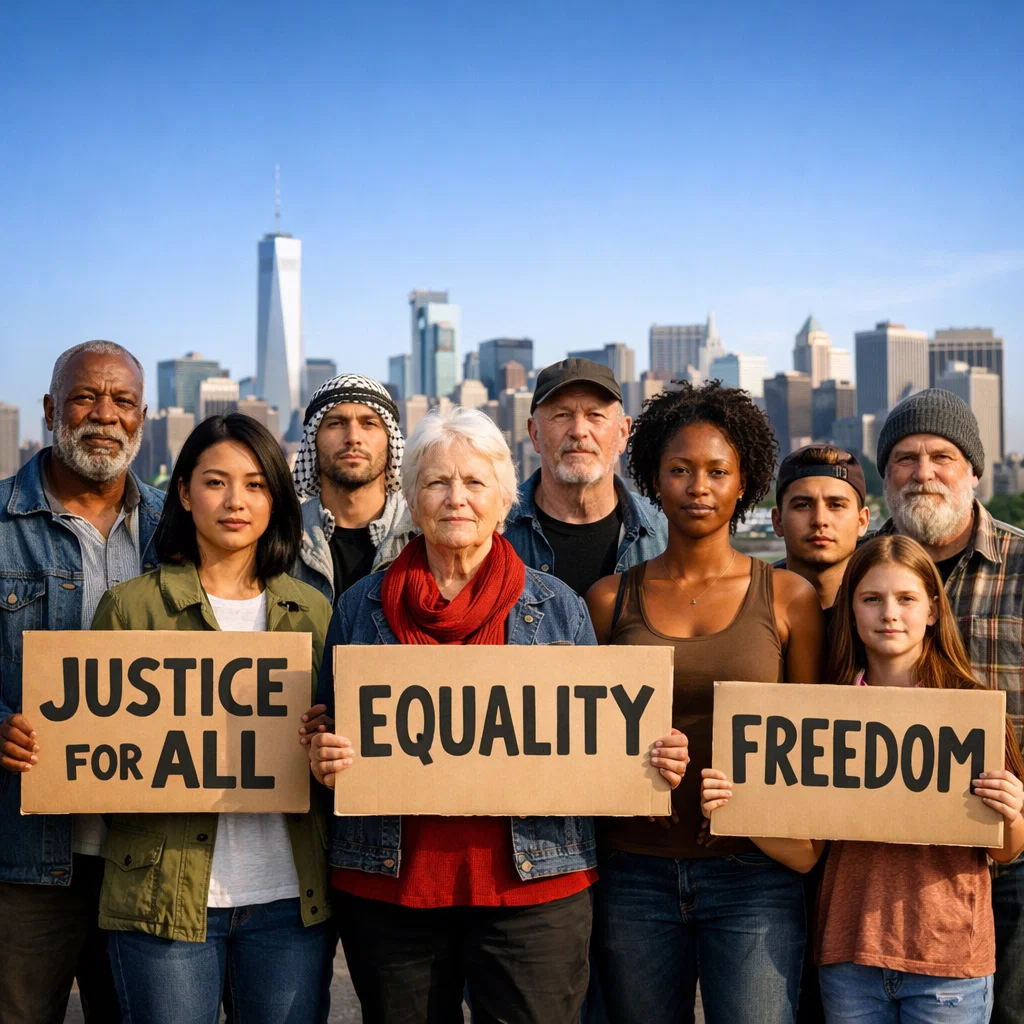
Human rights are the bedrock of any just society. These fundamental rights provide the foundation for individuals to live with dignity, freedom, and equality. Recognized universally, human rights are not privileges granted by governments, but inherent rights that every human being is entitled to simply by virtue of being born. In this essay, we will explore the concept of fundamental human rights, the rights of citizens, and the violations and protection mechanisms in place to safeguard these rights.
Fundamental Human Rights
Fundamental human rights are the basic freedoms and protections that every individual should have, regardless of their nationality, race, religion, or gender. These rights include the right to life, liberty, and personal security. The right to freedom of expression, freedom of movement, the right to work, the right to education, and the right to participate in political processes are also crucial components.
The Universal Declaration of Human Rights (UDHR), adopted by the United Nations in 1948, provides a common standard for all nations to follow in the protection and promotion of human rights. This document outlines the basic rights and freedoms to which all people are entitled, urging governments to respect, protect, and fulfill these rights for their citizens.
Rights of Citizens
Citizens’ rights are those rights granted to individuals as members of a particular state or nation. While some rights, such as the right to life and liberty, are universal, others are specific to the citizens of a country. These rights may vary from nation to nation but typically include:
- Civil and Political Rights: These include the right to vote, the right to a fair trial, freedom of speech, and the right to assemble peacefully. They ensure that citizens can participate in their country’s democratic processes without fear of persecution or discrimination.
- Economic, Social, and Cultural Rights: These rights focus on the well-being of individuals and include the right to education, the right to healthcare, the right to work, and the right to access cultural and social services. They ensure that citizens have the opportunity to lead a life of dignity and opportunity.
- Environmental Rights: In recent years, there has been growing recognition of the right to a healthy environment. This includes the right to clean water, air, and a healthy ecosystem, which are essential for the well-being of every individual.
These rights are enshrined in national constitutions, bills of rights, or other legal documents that provide the framework for governance. Governments are obliged to uphold these rights, ensuring that every citizen can access them without hindrance.
Violations of Human Rights
Despite the existence of international and national laws protecting human rights, violations still occur globally. Human rights violations happen when an individual’s basic rights are disregarded or infringed upon, either by the government, other citizens, or institutions. These violations can take many forms, including:
- Discrimination: When individuals or groups are treated unfairly due to their race, gender, religion, or other status, it undermines their rights and can lead to exclusion from societal opportunities.
- Torture and Inhumane Treatment: Torture or cruel, degrading, and inhumane treatment is a clear violation of human rights. It is often carried out by authorities, particularly in political settings where individuals are persecuted for their beliefs or affiliations.
- Denial of Political Freedoms: In many countries, citizens are not allowed to freely express their political views or participate in democratic elections. Restrictions on freedom of speech, assembly, and press freedom can lead to a stifling of political dissent and the suppression of human rights.
- Slavery and Human Trafficking: These are some of the most severe violations of human rights, where individuals are forced into labor or exploited for economic gain.
- Gender-based Violence: Women and girls, especially in certain regions, face widespread gender-based violence, including domestic abuse, sexual harassment, and trafficking. These violations violate the right to safety, security, and equality.
Protection of Human Rights
Ensuring the protection of human rights is vital to creating a peaceful, just, and equal society. While much progress has been made globally, challenges still exist. There are several mechanisms for the protection of human rights at both national and international levels:
- International Bodies: The United Nations (UN) plays a significant role in promoting and protecting human rights. The UN Human Rights Council, through its various treaties, sets standards and monitors human rights violations worldwide. Additionally, international courts, such as the International Criminal Court (ICC), hold individuals accountable for serious human rights violations, such as war crimes and genocide.
- National Institutions: Many countries have established human rights commissions or ombudsman offices that investigate complaints, offer legal recourse to victims, and promote human rights education. These institutions are vital for ensuring that citizens can access justice within their own countries.
- Non-Governmental Organizations (NGOs): Human rights NGOs play an essential role in advocating for human rights, raising awareness about violations, and providing legal support to victims. Organizations like Amnesty International and Human Rights Watch are examples of groups that work tirelessly to protect and promote human rights across the globe.
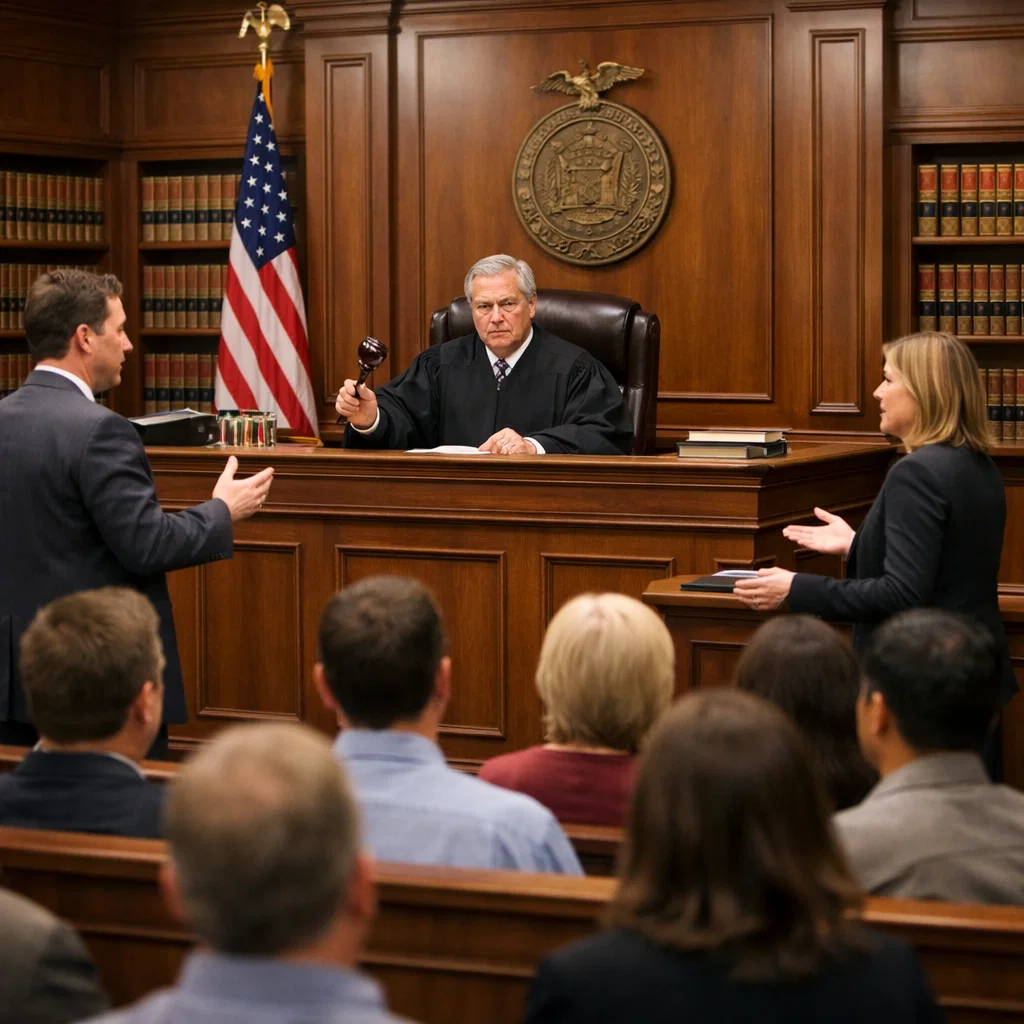
- Judicial Protection: Courts in many countries serve as a last line of defense against human rights violations. Victims of rights violations can seek legal recourse through the judicial system, which helps to hold perpetrators accountable and provide compensation or redress.
- Education and Advocacy: Educating the public about human rights is essential for the protection of these rights. Advocacy through media, community outreach, and public campaigns can help change attitudes and create a society that respects human dignity and equality.
Conclusion
Human rights are the cornerstone of a fair and just society. They ensure that individuals can live freely, safely, and with dignity. While violations of human rights continue to exist, both governments and international organizations are increasingly committed to their protection. As citizens, it is our responsibility to defend these rights and demand that they be respected. Ultimately, a world that upholds the rights of every individual is a world where justice, peace, and equality reign. By recognizing and protecting these rights, we can create a future where everyone can live with the dignity they deserve.