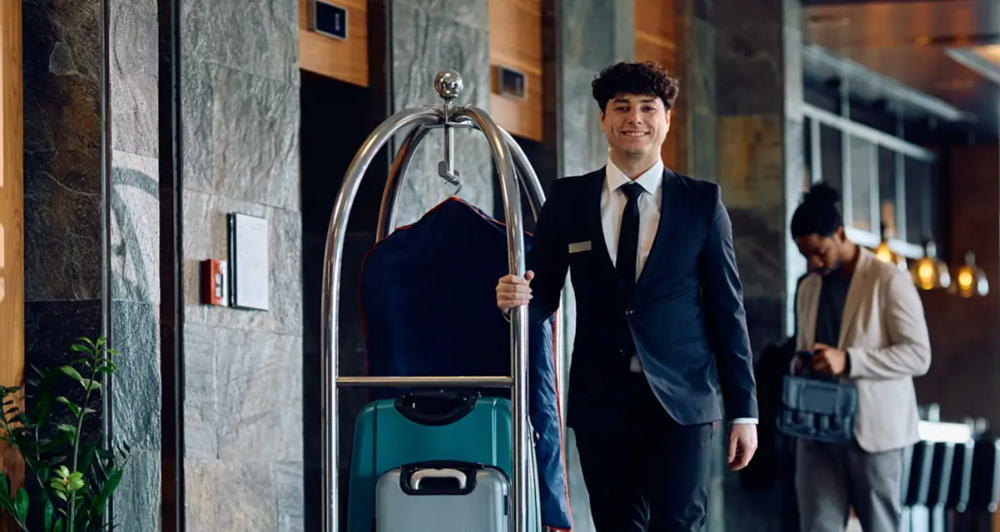
In hospitality, the welcome is not a small detail. First impressions shape the entire guest experience from the moment they step inside your hotel. But a warm welcome is more than just greeting them with a friendly smile and wishing them a pleasant stay. It’s about creating personalized interactions, maintaining a polished team presence, and anticipating guest needs. From the front desk to the concierge, every interaction plays a role.
Research suggests that it only takes a few seconds to make a first impression, and unfortunately, a bad one can significantly impact your hotel’s reputation. Getting the welcome right helps guests feel comfortable and confident in their hotel choice, setting the foundation for a positive stay.
Invest in Polished Front-of-House Uniforms
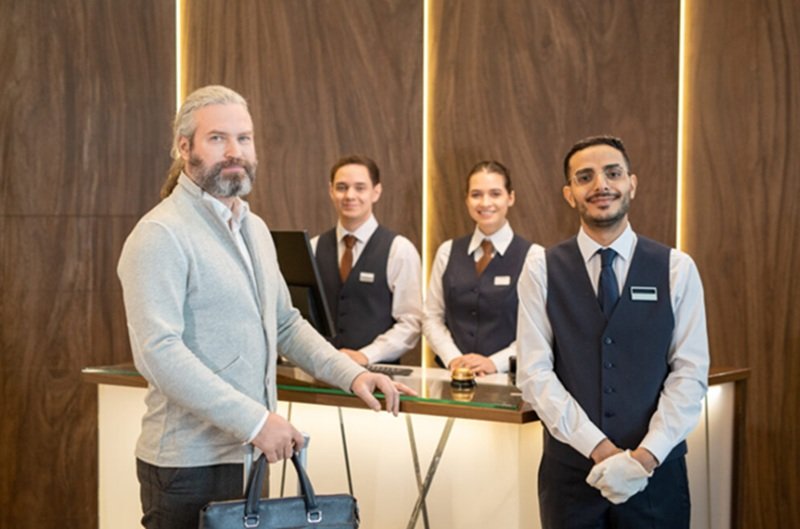
The front desk, concierge, and lobby act as the physical expression of the brand. They set the tone for what the guest should expect from the hotel. While the staff’s skills are essential in creating a positive experience, a cohesive appearance is just as important. Well-designed front-of-house uniforms can help your hotel present a consistent brand image and deliver a professional service.
Concierges are often the first points of contact. They greet guests, offer assistance, and set expectations for the stay. But before any conversation takes place, their uniforms signal professionalism, service standards, and attention to detail. That’s why they should look authoritative yet approachable, blending style and functionality. Investing in elegant and practical hotel concierge uniforms is key to creating a polished presence.
A concierge uniform typically features elements like ties or pocket squares, but today’s trends lean toward unisex styles and functional designs. A well-fitted blazer, an elevated button-up shirt, and a classic vest are some examples that never fail to impress.
Colors like navy, black, charcoal, white, and brown project a professional image, while softer tones like light pink and beige can add a touch of personality to their uniforms. Also, don’t forget accessories; scarves and belts in complementary hues are essential for creating a sleek look.
There are different ways to create uniforms for concierges, depending on the image you’re trying to convey. Here are some styling suggestions:
- Formal: Pair black trousers with a black blazer and crisp white shirt to create a professional look.
- Classic: A premium vest paired with a white Oxford shirt is another great choice. The vest adds a touch of formality, ideal for hotels that prefer a classic, slightly vintage appearance.
- Modern: For a look that showcases modern minimalism without compromising professionalism, opt for navy trousers, a matching navy blazer, and a white dress shirt.
- Relaxed: Lightweight tops paired with light-colored chinos are perfect for resorts or beach hotels.
When choosing concierge uniforms, it’s essential not to compromise functionality. Their clothing should allow freedom of movement for a range of tasks, including escorting guests, carrying luggage, or guiding visitors. Prioritize breathable, durable, flexible, and moisture-wicking fabrics. Practical cuts and comfortable fits help staff stay presentable during long shifts.
Similarly, front desk uniforms should look polished and tailored, with clean lines, structured silhouettes, and colors that reflect the hotel’s brand. Lobby staff uniforms can feel slightly more relaxed but still refined.
Customization matters, too. Details such as embroidered logos add identity and make hotel uniforms feel considered rather than generic. Subtle emblem placement on blazers, shirts, or vests reinforces brand recognition while maintaining a professional look.
Greet Guests Warmly
Greeting guests warmly helps guests feel recognized and appreciated from the moment they enter the lobby. This includes making eye contact, accompanied by a warm smile. It may sound simple, but it can put them at ease from the get-go.
Establishing eye contact is one of the most important practices in greeting guests at the front desk. It’s a non-verbal communication that lets them know you’ve seen them, even if you’re busy doing other tasks such as speaking on the phone or helping other guests.
A warm smile never goes unnoticed, and smiling at your guests will make them feel instantly welcome. It’s a small gesture that means a lot, especially after a long trip and when entering an unfamiliar environment.
Personalize the Interaction
Another impactful way to make hotel guests feel welcome is by personalizing interactions whenever possible. Using their name, recognizing their loyalty if they’re a returning visitor, and acknowledging special occasions can make the interaction genuine. Doing so shows that you took the time to remember them, making them feel special and valued.
Offer Assistance Proactively
Your hotel staff should offer assistance without waiting to be asked. This shows attentive service, making guests feel welcome and cared for. Even if it’s politely declined, a guest will appreciate this gesture and remember it.
For example, your staff can offer to help with luggage, share tips for exploring the area, suggest top-rated restaurants, or anything they think may be helpful. At the end of the day, it’s all about trying to assist as much as you can to create the best stay for your guests.
Provide Clear and Helpful Information
Clearly communicating check-in procedures, hotel amenities, restaurant hours, and key services is crucial. This transparency prevents misunderstandings and helps guests feel confident, reducing uncertainty as their stay begins.
Don’t forget to take the time to briefly explain special hotel policies or procedures, such as quiet hours, security procedures, pet policies, and other specific rules that might be of concern during their stay. This also goes for providing information about key points of interest, including the bar, pool, spa, restaurant, and other services you offer.
Anticipate Guest Questions and Needs
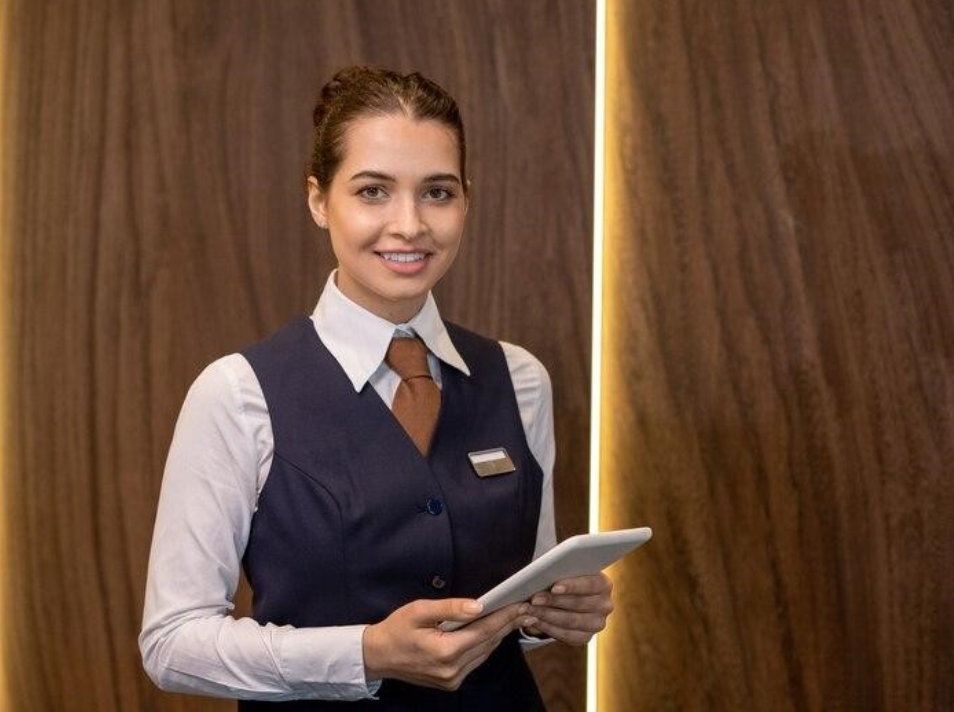
A clear example of exceptional service is the ability to anticipate guests’ questions and needs. While every person has their own expectations, and it’s nearly impossible to know everything in advance, there are a few questions you may get more than others, such as:
- What’s the Wi-Fi password?
- Where is the nearest taxi or public transport stop?
- What time is breakfast served?
- Can you recommend local restaurants or attractions?
Having ready answers to these common questions, along with a friendly and confident approach, makes guests feel cared for and reduces their stress. You can even share FAQ and answers in your welcome emails or give each guest a booklet with helpful info.
Anticipating needs can also go beyond questions. For instance, if a receptionist notices that a guest has arrived much earlier than their check-in time, they can arrange a comfortable area in the lobby for them to rest after the long flight. This shows attentiveness and leaves a positive impression from the start.