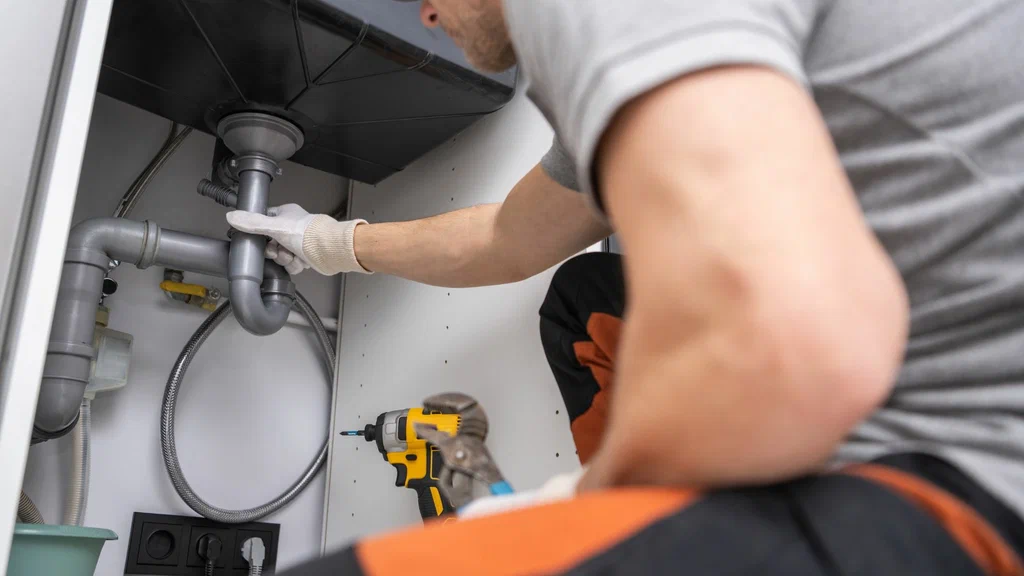
Most plumbing disasters don’t start as disasters. They start as a faint drip, a slightly slow drain, or a water bill that seems to climb for “no reason.” In Benbrook—where many homes have slab foundations and busy household routines—catching small issues early can be the difference between a quick repair and a major, messy interruption.
Below is a practical guide to the most common warning signs, what they usually mean, and how to approach repairs in a way that protects your home and your budget.
The “Small” Signs Homeowners Shouldn’t Ignore
Plumbing problems love to whisper before they shout. If you notice any of the following, it’s worth investigating sooner rather than later:
- Unexplained spikes in your water bill
- Dripping faucets or fixtures that won’t fully shut off
- Toilets that run intermittently
- Water pressure that changes suddenly
- Drains that are consistently slow (especially in multiple rooms)
- Musty smells, mildew growth, or recurring damp spots
- Discolored water or rusty staining
Even if everything still “works,” these symptoms often point to wear, buildup, or hidden leaks that can escalate fast.
Slab Leaks: Why Benbrook Homes Need Extra Awareness
Many homes in the area sit on slab foundations, which can make certain leaks harder to spot. A slab leak doesn’t always announce itself with visible water. Instead, you might notice secondary clues like:
Common slab-leak clues
- Warm spots on the floor (if a hot water line is involved)
- Persistent damp or spongy flooring
- Hairline cracks in walls or flooring that seem to worsen
- The sound of running water when all fixtures are off
What to do: If you suspect anything under-slab, avoid the temptation to “wait and see.” Continued leaking can undermine flooring, encourage mold growth, and affect the soil under the foundation. Early leak detection and targeted repair is usually the most cost-effective path.
Drain and Sewer Issues: Slow Today, Blocked Tomorrow
Clogs are common, but patterns matter. A single slow bathroom sink might be a simple local blockage. But if you’re seeing slow drains across multiple fixtures—or hearing gurgling noises—your main line could be struggling.
What often causes recurring drain problems
- Grease and food buildup (kitchen lines)
- Soap scum and hair (bath lines)
- “Flushable” wipes and hygiene products (toilets and mains)
- Tree roots or aging pipe materials (main sewer)
A good rule: if the same drain clogs repeatedly, the issue is usually deeper than what a quick DIY chemical cleaner can resolve. Those cleaners can also be harsh on pipes over time, especially in older systems.
Water Heater Warnings You Can Catch Early
A failing water heater rarely goes from “fine” to “flood” instantly. Watch for:
- Inconsistent hot water (temperature swings, short supply)
- Rumbling or popping sounds (often sediment buildup)
- Rusty water, especially only from hot taps
- Moisture around the base or dampness in the pan area
If you suspect a leak, treat it seriously. Water heaters can cause extensive damage quickly, and leaking can indicate internal corrosion that won’t improve on its own.
Quick homeowner check
If safe and accessible, look at the area around the unit and note whether moisture appears after hot water use. This can help a professional narrow down whether it’s a connection issue, a valve problem, or the tank itself.
Gas Line and Sewer Gas Smells: Don’t “Live With It”
Two odors deserve fast attention:
- A rotten-egg smell may indicate a gas issue (or sometimes sewer gas, depending on where it’s strongest).
- A strong sewage odor can come from dried-out traps, venting issues, or a damaged line.
Because these can involve health and safety concerns, it’s best to treat them as urgent. Open windows, avoid flames if you suspect gas, and have a qualified professional assess the source.
(Informational note only; not professional advice.)
Choosing a Repair Approach That Actually Solves the Problem
A common frustration homeowners share is paying for the same issue twice—once for a temporary fix, and again for the real repair. You can reduce the odds of that happening by thinking in terms of root cause.
Questions that lead to better outcomes
- What caused the issue? (Age, buildup, pressure, corrosion, shifting soil, etc.)
- Is this a one-off or part of a larger pattern? (Recurring clogs, multiple leaks, ongoing pressure changes)
- What’s the condition of the surrounding components? (Old shutoff valves, brittle supply lines, outdated fixtures)
- What are the options—and the tradeoffs? (Repair vs. replacement, spot repair vs. system upgrade)
For example, replacing a single leaky faucet is straightforward. But if multiple fixtures are failing in a short period, it may signal broader wear in supply lines or pressure regulation that needs attention.
What a Good Plumbing Visit Should Look Like
Whether you’re dealing with a leak, a drain issue, or a water heater problem, a high-quality service call usually includes:
- A clear explanation of the likely cause
- A description of the diagnostic steps taken
- Repair options in plain language (including what’s “nice to have” vs. necessary)
- Guidance on prevention (not just the immediate fix)
- A tidy work area and a final test of the repair
If you’re looking for a local starting point, this is exactly the type of standard you should expect from a Benbrook plumbing repair company—especially when the issue is time-sensitive or hard to diagnose.
Practical Prevention Habits That Save Real Money
You don’t need a maintenance calendar worthy of a facility manager. A few simple habits go a long way:
- Know where your main shutoff is (and make sure it turns)
- Avoid chemical drain cleaners as a routine solution
- Use sink strainers and be cautious with grease disposal
- Listen for running toilets and address them promptly
- Flush your water heater periodically if recommended for your setup
- Don’t ignore pressure changes—they’re often an early warning
These steps aren’t glamorous, but they reduce the surprise factor—the thing that makes plumbing repairs stressful and expensive.
Conclusion: Catch Problems Early, Fix Them Once
Plumbing issues are rarely “nothing.” They’re usually early signals that a part is wearing out, a line is building up, or a hidden leak is developing where you can’t see it. If you respond early—and choose repairs that address the root cause—you’re far more likely to solve the problem once and move on.
The best time to handle a plumbing concern is when it’s still small, simple, and localized. That’s when the fix is quickest, the disruption is minimal, and your home stays protected.