
Three seconds. Maybe less. That’s the window you get before a pedestrian decides your storefront is worth slowing down for, or whether they’ll breeze past and forget you existed. Most small business owners know this instinctively, yet they pour thousands into digital ads while the actual physical storefront looks like nobody’s touched it since 2014.
The frustrating truth? Curb appeal isn’t just something realtors talk about. For any brick-and-mortar business, your storefront pulls triple duty as a billboard, brand statement, and first impression, all in one glance. Nail it, and foot traffic starts doing your marketing for you. Miss the mark, and even a brilliant product line sits behind a door nobody feels compelled to open.
These seven strategies aren’t conceptual hand-waving. They’re the specific, tested moves that real small businesses use to turn sidewalk passers-by into paying customers. A few cost almost nothing. Others need a modest investment, the kind that tends to pay for itself faster than you’d expect.
1. Walk Past Your Own Store Like a Stranger
Before your storefront communicates anything specific, it’s already broadcasting something general. Welcoming or cold. Current or neglected. Worth investigating, or worth ignoring.
Storefront architecture works like a silent language. Wide entrances signal openness, clean signage reads as professionalism, and a cluttered window display hints at chaos inside. Customers decode all of this almost involuntarily, and they’re surprisingly accurate.
Research on visual merchandising has consistently found that exterior cues (window displays, signage quality, entrance design) create the first and often most lasting impression of a brand. That finding should worry you if you’re competing near chain stores, because those chains spend serious money on exterior brand consistency.
The practical move is simple but uncomfortable: audit your storefront the way a total stranger would. Walk past it. Pull out your phone, snap a photo from across the street. Now look at that photo honestly. Would you slow down?
2. Your Sign Isn’t Décor. It’s a Conversion Tool.
Signage might be the single most underutilized asset in small business marketing. Not because owners don’t have signs. They almost always do. The problem is that most signs sit there doing the bare minimum: readable, functional, completely forgettable.
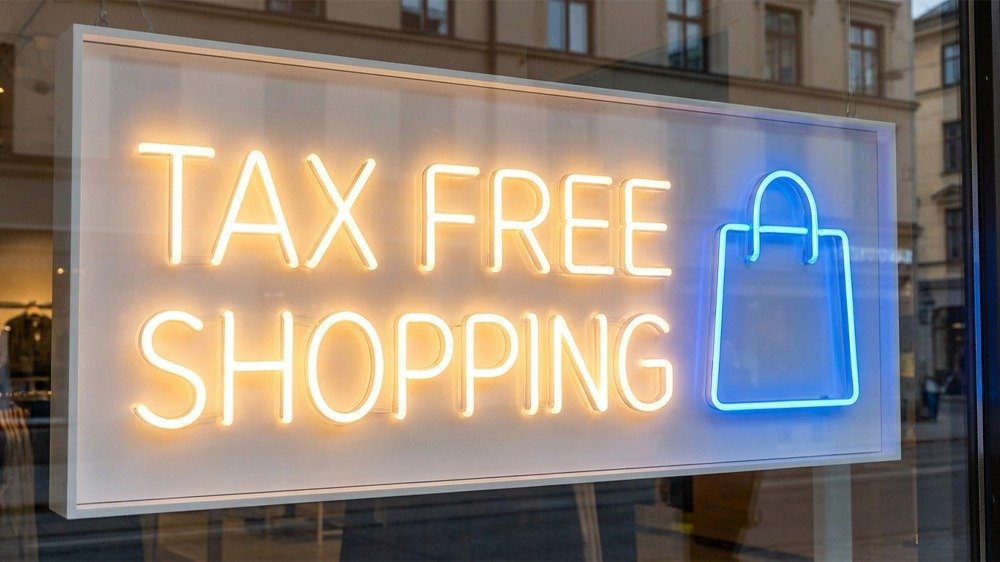
The shift from traditional glass neon to custom LED neon signs has changed the math on this dramatically. A quality custom LED neon sign for a business typically runs between $500 and $1,200, with installation adding another $100–$300. That sounds like a chunk of cash until you look at what businesses actually report on the back end.
Cafés typically see a 15–20% lift in foot traffic. Hair and beauty salons report 20–30% jumps in appointments. Boutique retailers document walk-in growth between 15–25%. One café in New York that spent $800 on a custom LED neon sign reportedly recouped the full cost within 6 months, solely from increased foot traffic.
LED neon also solves the operational headache that killed traditional glass neon for small businesses: energy costs. Modern LED neon flex uses roughly 90% less power than old-school neon tubing. Your sign can run every night without making a meaningful dent in your utility bill. Traditional neon running eight hours a night? That adds up fast.
A generic sign with a stock coffee cup outline won’t deliver those numbers. The ROI comes from the sign people actually photograph and share, the distinctive, brand-specific one. If it’s forgettable, it will be forgotten. That’s the part nobody selling neon signs wants to say out loud.
3. Treat Your Window Display Like a Landing Page
A well-designed window display is the closest thing a physical store has to a web landing page. Same job: capture attention, communicate value, generate enough curiosity that the person takes the next action (in this case, walking through the door). And yet most small business windows are either stuffed with products or frozen in whatever seasonal display went up three months ago.
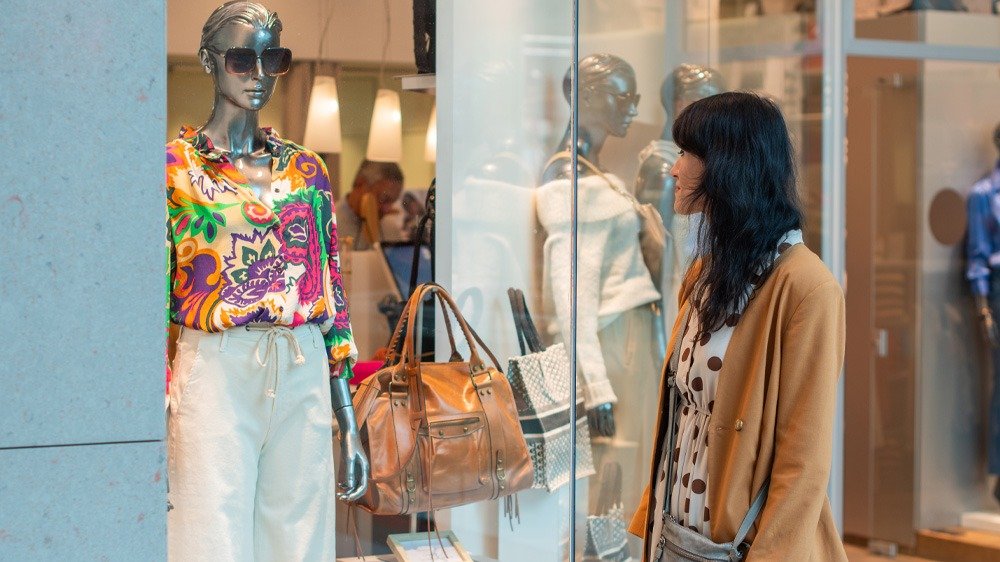
Research published in the Journal of Retailing and Consumer Services (Kalantari, 2022) found that storefront window transparency has a measurable effect on consumer approach behavior, basically how likely someone is actually to enter. Higher visual transparency (letting people see naturally into the store) increases that likelihood. But it only works if the interior itself looks appealing. The window isn’t separate from your store design; it frames it.
A 2024 study on visual merchandising identified four factors that most reliably convert window views into store entries: visual appeal, emotional resonance, brand recognition, and display freshness.
The practical translation? Rotate your displays regularly (at least every 4–6 weeks), use props that tell a story rather than just stacking products, and check your window lighting after 5 PM. This one catches more people than you’d think. Nothing kills a display faster than a wall of glare.
4. Lighting: The Cheapest Upgrade Almost Nobody Prioritizes
Exterior lighting is the most dramatically underused tool in storefront design, and one of the highest-ROI improvements you can make relative to cost. A restaurant in a tourist district that renovated its entrance with transparent design and warm lighting saw measurable increases in both reservations and dwell time. Not from a rebrand. Not from a new menu. Just light.
Storefront lighting serves two distinct purposes: visibility (so people can find you) and atmosphere (so people actually want to come in). Most businesses handle the first part fine and completely ignore the second.
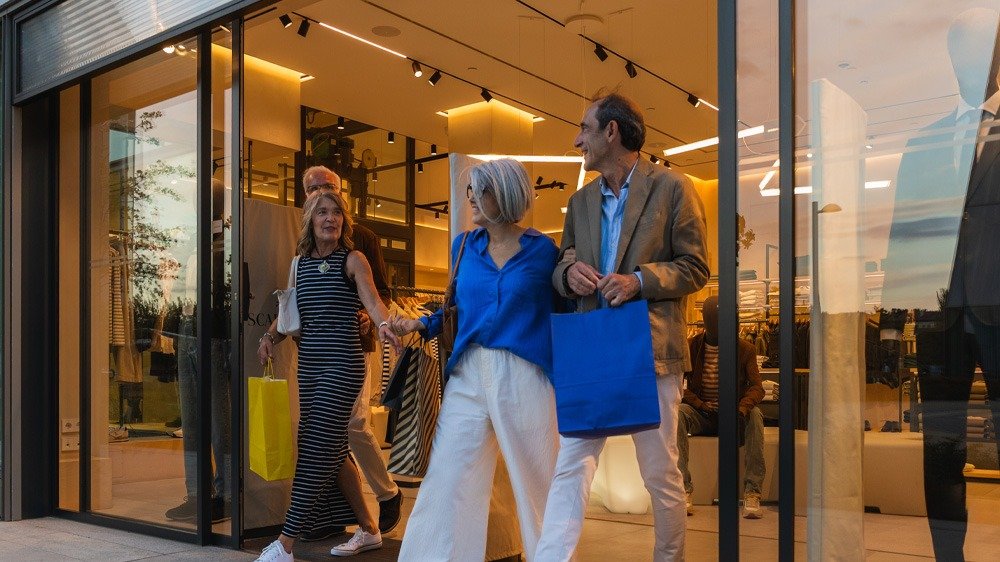
Accent lighting, things like warm spotlights on window displays, backlit signage, and subtle façade illumination, create visual warmth that registers as inviting before the conscious mind even processes it.
Research on commercial street vitality found that design factors contributing to nighttime activity were 2.49 times more impactful on non-working days than at midday. That’s a massive multiplier, and it basically says your lighting strategy matters most on the nights and weekends when foot traffic is most valuable.
For small businesses, a solid starting point is LED channel letter signage combined with one or two warm-toned accent lights framing the entrance. A DFW boutique that upgraded its exterior with modern LED channel letters, fresh paint, and strategic accent lighting saw a documented 40% increase in walk-in traffic within six weeks.
Customers genuinely believed it was a brand-new store. Think about that for a second: same business, same location, same products, completely different perception.
5. Color Tells Customers Who You Are Before You Say a Word
Color psychology in signage isn’t some fluffy marketing concept. It’s a fast, pre-cognitive trigger. Customers process color before they even read words.
Warm tones like red and orange create urgency and energy. Blue communicates trust and professionalism. Green signals health, growth, and ecological awareness. Black and gold read as luxury and restraint. None of this is new information.
The actual problem is that most small businesses have an exterior where the painted façade, the signage palette, and the window display props look like three separate decisions made by three different people at three different points in time.
Brand identity on the exterior should function as a system, not a patchwork. Your façade color, signage font and palette, window display styling, and entrance area should look intentionally coordinated, even if they weren’t all designed together. Inconsistency registers as unprofessionalism to a passer-by’s subconscious, which is particularly painful when you’re three doors down from a chain store operating off a $40,000 brand standards manual.
The fix is straightforward: stick to two or three core colors across all exterior elements. Make sure your signage palette matches your logo. This sounds painfully obvious, and yet an embarrassing number of storefronts get it wrong.
6. Make the Entrance Feel Like an Open Invitation
Ever walked past a store and felt like stepping inside would mean interrupting something? That’s a storefront failing its most fundamental job. Your entrance should feel like a welcome, not a velvet rope.
Planters flanking the door or a sidewalk chalkboard with a clever daily message work surprisingly well at dissolving that invisible barrier between “just browsing the street” and “actually walking in.”
A clean, well-maintained doorway projects professionalism without feeling sterile. And if you prop your door open during business hours (weather permitting), you’re already ahead of half your competition.
An open door is a psychological shortcut that says, “You’re welcome here.“
Small touches compound in ways that are easy to underestimate. A welcome mat. Visible interior lighting. Music that drifts gently outward. All of these reduce the mental friction of entering an unfamiliar space.
Extend that thinking to the sidewalk: A-frame signs, small outdoor product displays, and sidewalk seating (where permitted) aren’t just charming; they’re essential. They’re strategically claiming space in the pedestrian’s sightline before they even reach your door.
7. Give People a Reason to Stop, Photograph, and Share
This is where custom neon signs and experiential retail design overlap into something genuinely valuable for small businesses. The point isn’t to manufacture an “Instagram moment” for its own sake. It’s to create a visual anchor that people associate with your brand and voluntarily spread.

Experiential retail isn’t reserved for flagship stores anymore. A 2025 Forbes analysis noted that the role of physical retail has shifted from purely transactional to immersive, and that shift is driving foot traffic to businesses that lean into it.
A bold custom neon sign (your business name, a brand phrase, a visual motif) costs less than most paid social campaigns and keeps generating organic reach every time somebody photographs it. One hair salon in Texas invested $1,200 in a custom neon sign and reported a 30% jump in appointments over the following year, driven primarily by Instagram exposure.
The psychology here is anchoring. Customers who connect a distinct visual with your space are more likely to remember your business, recommend it to friends, and come back. Consider what’s shareable about your exterior: a distinctive wall color, a clever window decal, a neon sign with a memorable phrase, an eye-catching mural. These elements turn your façade into something closer to a local landmark than just another storefront.
But authenticity carries weight here. Don’t install a generic “but first, coffee” sign and expect results. Build something that reflects your brand, your neighborhood, and the specific experience people have when they walk through your door. That’s what makes the content feel genuine, and genuine content is what actually gets shared.
Bonus Tip: Familiarity Can Quietly Work Against You
Here’s a problem that builds so slowly you won’t see it coming: a storefront that never changes eventually stops registering. Your most valuable audience, regular passers-by who live or work nearby, will mentally tune out a display that hasn’t moved in six months. Your storefront becomes visual wallpaper.
Seasonal storefront design delivers a double payoff. It re-engages neighbors who’ve started ignoring you and signals to new passers-by that the business is active, current, and paying attention. Shopify’s 2026 storefront design analysis identifies “capture rate” (the ratio of passers-by who actually enter) as one of the most trackable storefront metrics, and seasonal rotation directly affects it.
You don’t need a full rebrand each quarter. A window display refresh, a temporary promotional sign, or even a color accent near the entrance can reset the visual. Set a calendar reminder for quarterly updates at a minimum.
Tie them to seasons, local events, or product launches. The businesses that build this habit see compounding gains in neighborhood recognition, which, for a physical store, is about as close to organic search traffic as you’ll ever get.
The Storefront That Sells Before Anyone Walks In
Standing out doesn’t demand a six-figure renovation or a marketing agency on retainer. It demands intentionality. Every piece of your storefront (the signage, the lighting, the colors, the entrance, the details people photograph and share) is either actively working for your brand or quietly working against it. There isn’t really a neutral setting.
Start with the tip that requires the least effort and build from there. Refresh the window display this week. Put out a sidewalk sign with some personality. Walk past your own store after dark and assess the lighting honestly.
Small, deliberate changes stack up faster than most people expect. Eventually, your storefront starts doing the thing it should have been doing all along: pulling people in before they even realize they’ve slowed down.