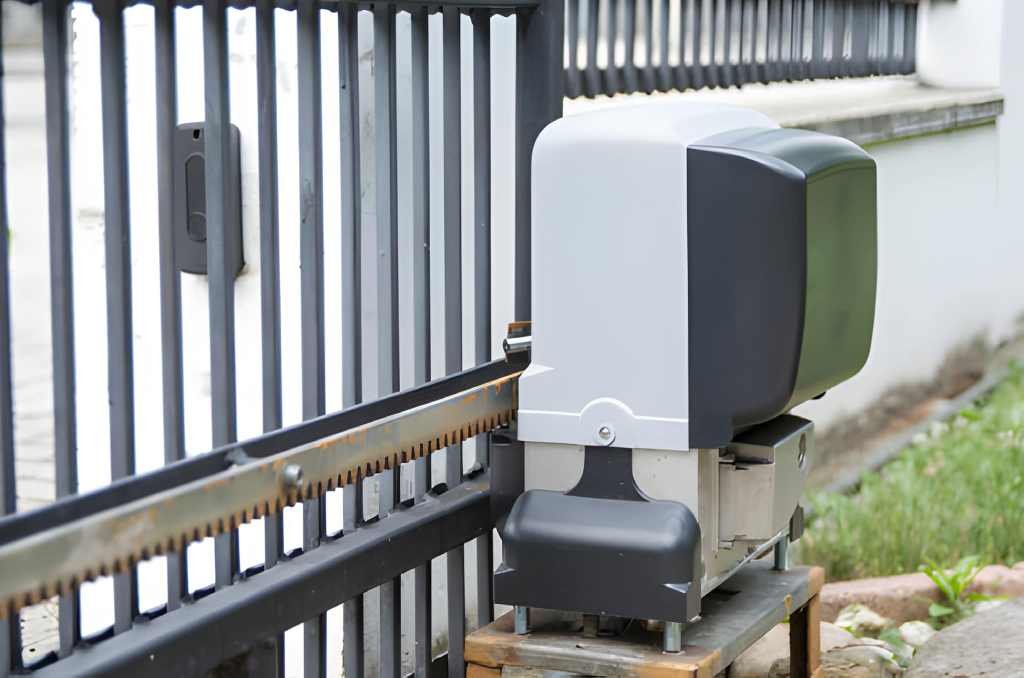
The charm of an automatic gate spreads far beyond the convenience of touch-free and remote access. It’s also about unbreachable safety and a premium statement.
To make the investment worthwhile, the equipment you buy must come with the right features and in the highest quality. Also, it should include flexible operations, with a full range of controlling units.
This article will shed light on all the key aspects of an automated gate opener. With thoughtful consideration, you can find the most suitable solution for you.
How to Navigate the Automated Gate Opener Market with Confidence?
If you pay attention to your most favourite purchases, it must hit you with a clear revelation. An ideal buy is always the outcome of a buyer’s in-depth knowledge about the product.
So, before deciding between options, it would help to familiarize yourself with the item. What category does it belong to? How many variations and designs does it come in? What are the common features? What factors make one variant superior to the rest?
Sound logical?
Here is some information about electric gate openers to make your steps in the market confident:
Types
Openers vary in sizes, materials, operations, energy sources, and designs. Each type fits a specific kind of driveway, and the condition and location of the property.
- Size: The choice between a small and a large gate solely depends on the weight of your gate. Larger openers use more robust levers to generate stronger thrusts. While the smaller openers shine with small gates, operating them with soft pushes and pulls.
- Materials: From stainless steel to wrought iron, and high-grade plastic to copper, each part of an opener should be made of materials suitable to take the load. They must be of quality and capacity to resist the weather, endure power surges, hold the gate in place, and move it without shaking or making noise.
- Operations: In terms of operations, openers can be of two types: swing and slide. The names perfectly describe their use cases. Swing openers draw gates inward and outward. Whereas slide openers roll sliding gates sideways.
- Energy Sources: Some openers run solely on grids, some run on solar power, and there is a third type that synchronizes both power sources to provide consistent service.
Weight
As the weight of an opener has no visible impact on its operations, many take this aspect for granted. But any expert will say otherwise.
It’s found that the weight of the lever has a long-term effect on the door’s life. The added friction when a gate is attached to a heavy external tool leads to faster wear.
So, make sure the opener and gate can carry each other without being strained.
Necessity
Now, this part is about you. How will you decide on an option if you haven’t yet figured out your own needs?
What has made you think of an automated opener in the first place? Have you considered the extra digits it’s gonna add to the electricity bill? Have you conjured up a solution for that? What level of security are you expecting?
Ask yourself these questions and find some more. It will help you clarify your needs and set your priorities.
Remember that there is a perfect solution in the market for just the problem you are facing. So, be elaborative with your demands.
Consideration Based on Property Types
Beyond the size, properties can have different purposes. Think of residential and commercial. And you should keep that thought in mind when choosing your gate opener.
Here is why:
Traffic Frequency
A simple, lightweight opener may suffice for residences with limited daily traffic. Most homes, whether on a small or on a large real estate, don’t require much door engagement.
In commercial zones, like industrial facilities, shopping complexes, corporations, and multi-family residential, traffic is higher. Only a heavy-duty opener can handle that level of frequency without breaking down.
Gate Design
Homes, with a few exceptions, mostly build up around a town or society. It’s barely a case that someone lives in a remote area, secluded, in rougher weather. So it’s possible to meet residential needs with mid-grade openers that use quality materials, albeit not to their maximum level.
Warehouse and factories located in distant areas need stronger solutions, resistant to harsh winds and cold, low in maintenance demand, and enduring to intensive stress.
Power Range
A 120V unit can cover both residential and commercial facilities. In rare cases, massive setups may use 240V. But where the choices become really distinct is the efficacy of the power sources.
Homes are better off with eco-friendly solar solutions. A small battery backup can keep the fans and lights on for multiple hours. While commercial versions can utilize practical designs with an extended backup source to run for at least a day.
Wrapping Up
Buying an automated gate opener may sound simple. As, beyond the nitty-gritty technicalities, all these openers do is opening and closing a door. But things get real serious when the possibility and the size of the investment come into the picture. And with many variants, designed for unique scenarios, making the right decision may seem harder than winning a lottery. However, if your choice ticks every box with respect to the size, material, durability, backup, and property type, you can call it perfect.