Stop trading on gut feelings. Instead, rely on a defined trading strategy, risk management, and trend trading from the best commodity trading courses. Before choosing the best trading course, check if it offers key features, like fundamental and technical analysis, live market simulation trading, post-course handholding, etc.
The commodity trading market is like a rough sea with high and low waves of commodity prices. Traders trade on the price of commodities using financial instruments like options, futures, ETFs, etc. Like a surfer needs training and patience to conquer the waves, a commodity trader needs training using the best trading courses.
Without a proper strategy and risk management approach, commodity trading might feel like gambling. But if you don’t want to be that trader who wins big on two trading days and loses on the rest, look for the best commodity trading course available on the market. But how do you choose the best course? Let’s find out.
Things to Look for In the Best Commodity Trading Courses
The best commodity trading courses are the ones that cover topics starting from the fundamental concepts of trading to risk management. It even goes beyond the course curriculum and helps the trader to become a professional one.
Let’s see why the following things are important to look for when choosing the best course.
1. Fundamental and Technical Analysis of Charts
The prices of commodity depends on several factors like –
➢ Supply and demand of the commodity
➢ Geopolitical tensions
➢ Inflation and economic conditions
➢ Weather and Natural Disasters
➢ Government Policies and Regulations, etc.
If you take a recent example of the import tariff hike on steel to 50% in the US. It led to a steel price hike in the domestic market and a decrease in price in the global market. So, you have to be aware of the global political incidents before starting the trading session in the commodity market.
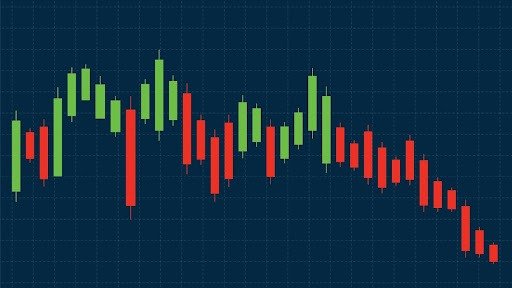
At the same time, you should have a sound knowledge of how to analyse technical charts. Reading the candlestick pattern is for beginners. See if the course you are choosing teaches you how to use indicators like:
❖ Moving Averages (MA)
❖ Moving Average Convergence and Divergence (MACD)
❖ Relative Strength Index (RSI)
❖ Stochastic Oscillator, etc.
Using these indicators will help you develop a trading strategy. The best commodity trading classes know the importance of fundamentals for you to become a professional commodity trader.
2. Hands-On Trading in Live Market Simulations
Regardless of how well you understand the support and resistance of a commodity, or how you understand the functions of indicators, trading in the live market shows you the reality. Being able to make decisions in split seconds, or decide whether you should hold or sell out your position, makes all the difference.
This is why trading in the live market simulation is important to sharpen your skills as a professional trader. In the simulation, you will be allotted a sum of money to trade in the simulation market, mimicking the actual commodity market.
The benefit of trading in simulation:
● Gaining an idea of the price movement of different commodities
● Testing your trading and risk management strategy
● Getting accustomed to the high volatility of the market
The best commodity trading courses usually offer a simulation trading opportunity as part of their curriculum.
3. Risk Management Training and Focus on Mental Stability
It is one of the important factors that differentiates a profitable trader from a losing one. In trading, the rule of thumb is to limit your losses to 1-2% of your total capital. Imagine you have started commodity trading with ₹1,00,000, then, as per your risk appetite, keep your stop loss between 1-2% (approximately ₹2,000).
The best commodity trading classes out there may provide you with an Excel sheet for risk management. Here, you put the amount of your capital and the amount of risk you are willing to take. Using the Excel formula, you can calculate the ideal lot size and at which price point you need to book profit or sell out.
The classes should also introduce learners to the concept of mindfulness. The most profitable trader is the one who is mentally stable and knows how to manage pressure in the live market. Choose a commodity trading course that teaches you yoga, meditation, and other tactics to manage your mental stress.
4. Reliable Instructors with Proven Experience
Anyone with a sound knowledge of technical analysis, indicators, and theoretical knowledge of risk management can teach the learners. But the course becomes more valuable when experienced traders with proven academic qualifications are the instructors.
From their practical experience, you get to learn small details of trading that make a big impact. For example, lifestyle, mindset, exercise, or sleeping habits. You realise that commodity trading is not all about technical analysis and investment, but rather a way of life.
So, look for commodity trading classes that hire experienced traders to teach their students.
5. Post-Course Hand-Holding and Learning Resources
The responsibility of the course provider does not end with the completion of the curriculum. Post-course guidance and support are crucial for you to become a professional trader. The instructors should be available on WhatsApp or should arrange an online Q&A session to support your growth.
Don’t fall for the ‘Best Commodity Trading Course’ tagline when choosing the courses. Check if they offer a quality hand-holding facility in the post-training period.
To Be the Best, Choose the Best
Do you want to be the best commodity trader? Choose the best commodity trading course provider. Learn from the best about trading strategy, risk management, and know how to be alert all the time about geopolitical developments.