A home is much more than walls and furniture—it is a reflection of how we live. The spaces we inhabit tell stories about our habits, preferences, and priorities. A well-designed home doesn’t just look good; it feels right. It should make everyday life easier, calmer, and more enjoyable. Whether it’s a cozy apartment or a spacious villa, a home’s success is measured by comfort, functionality, and personal touches rather than size or extravagance.
People are often curious about how high-profile figures create their living spaces. For example, discussions around the Bob Iger House often highlight how thoughtful layouts, natural light, and practical design choices combine to create a home that balances elegance with everyday livability. It’s not just about luxury—it’s about creating a space that supports both privacy and family life.
Comfort First, Style Second
The best homes prioritize comfort over flashy appearances. Furniture should invite people to sit and relax, while rooms should feel intuitive and easy to navigate. A space that looks perfect but feels awkward to live in quickly loses its charm.
Thoughtful homes take into account natural flow, daylight, and usability. Even simple adjustments like placing seating where sunlight naturally falls or designing walkways to avoid clutter can dramatically improve comfort. Spaces should support real life, not just photography or trends.
Layout and Functionality Matter
A home that is logically arranged feels effortless. Living spaces should flow into one another while private areas remain separate. Poorly planned layouts create frustration regardless of aesthetic appeal. Narrow pathways, unnecessary partitions, or wasted space can make even beautiful interiors feel uncomfortable.
Good layout also impacts how people interact with their homes. Shared spaces should encourage connection, while private zones allow relaxation and focus. This balance is visible in celebrity homes, where design often reflects both social life and personal retreat.
Materials That Last and Feel Warm
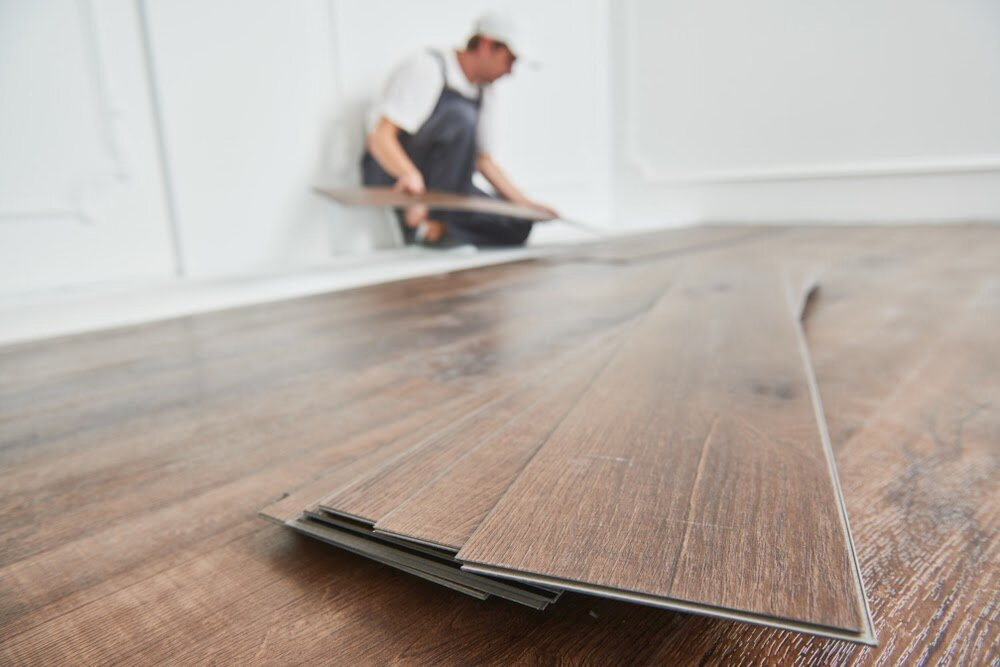
Material choices silently shape the character of a home. Natural wood, stone, and quality fabrics add warmth and authenticity, while high-quality finishes age gracefully instead of showing wear quickly. Trendy materials might impress initially but often need constant replacement, whereas durable materials provide long-term comfort and satisfaction.
Platforms like MansionFreak often highlight how lasting homes—whether historic or modern—rely on these quality choices rather than short-term trends. Homes built with intention and durable materials feel stable, grounded, and genuinely welcoming.
Natural Light and Its Effect on Mood
Lighting is one of the simplest yet most powerful ways to improve a home. Natural sunlight not only brightens spaces but also positively impacts mood and well-being. Properly placed windows, open layouts, and light-colored walls help maximize daylight and create a healthy, airy environment.
Even small spaces can feel more open when natural light is emphasized. Homes that integrate daylight thoughtfully tend to feel calmer and more comfortable, while those relying heavily on artificial lighting can feel closed or tense.
Personal Touches Make a Home Lived-In
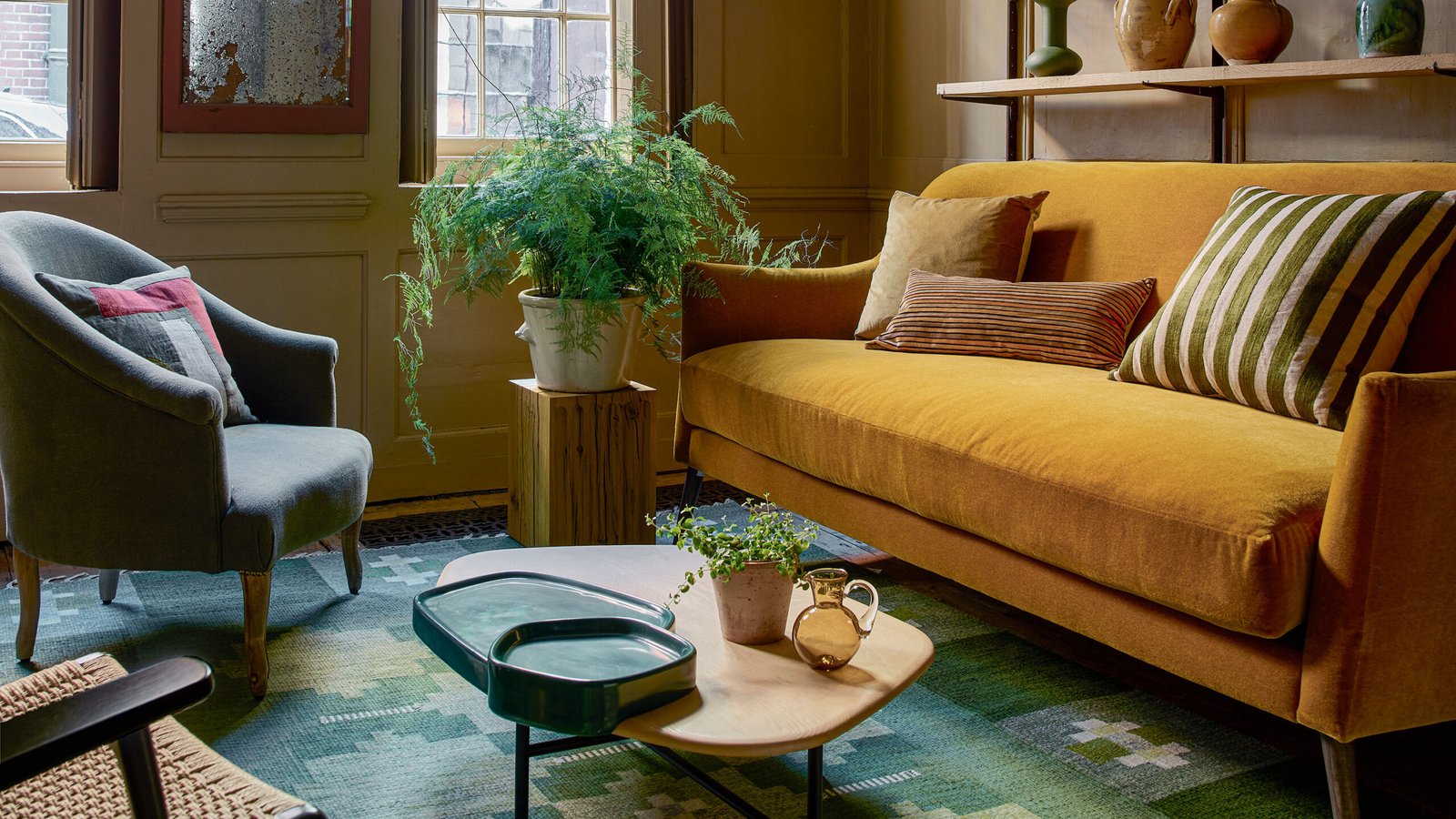
Objects that reflect personality—books, artwork, plants, photographs—turn a house into a home. These personal touches make spaces feel human, welcoming, and memorable. Homes that are too polished often feel sterile, while lived-in spaces feel genuine and comforting.
Even large or elegant homes benefit from this principle. Public figures like Bob Iger show that a home’s charm is enhanced when it balances refinement with personal warmth. It’s the combination of thoughtful design and meaningful details that makes a space truly special.
Homes Should Support Everyday Life
A home is most successful when it simplifies life. Storage should be practical, kitchens and living areas functional, and spaces adaptable to changing needs. Homes that support daily routines reduce stress and create a sense of calm that is hard to achieve with purely aesthetic design.
Functionality often separates ordinary homes from remarkable ones. When every detail is intentional, residents can focus on living comfortably rather than constantly rearranging or compensating for poor design.
Conclusion
A home’s true value lies in comfort, thoughtful design, and personal touches. It should support daily life, create privacy when needed, and allow for moments of connection and relaxation. Celebrity residences, like the Bob Iger House, exemplify how careful planning and attention to detail create spaces that are both elegant and livable.
Ultimately, the best homes—whether simple or grand—prioritize human experience over superficial appeal. They feel alive, welcoming, and personal. Bob Iger at the end of the day reminds us that thoughtful design and genuine comfort can transform a house into a home.