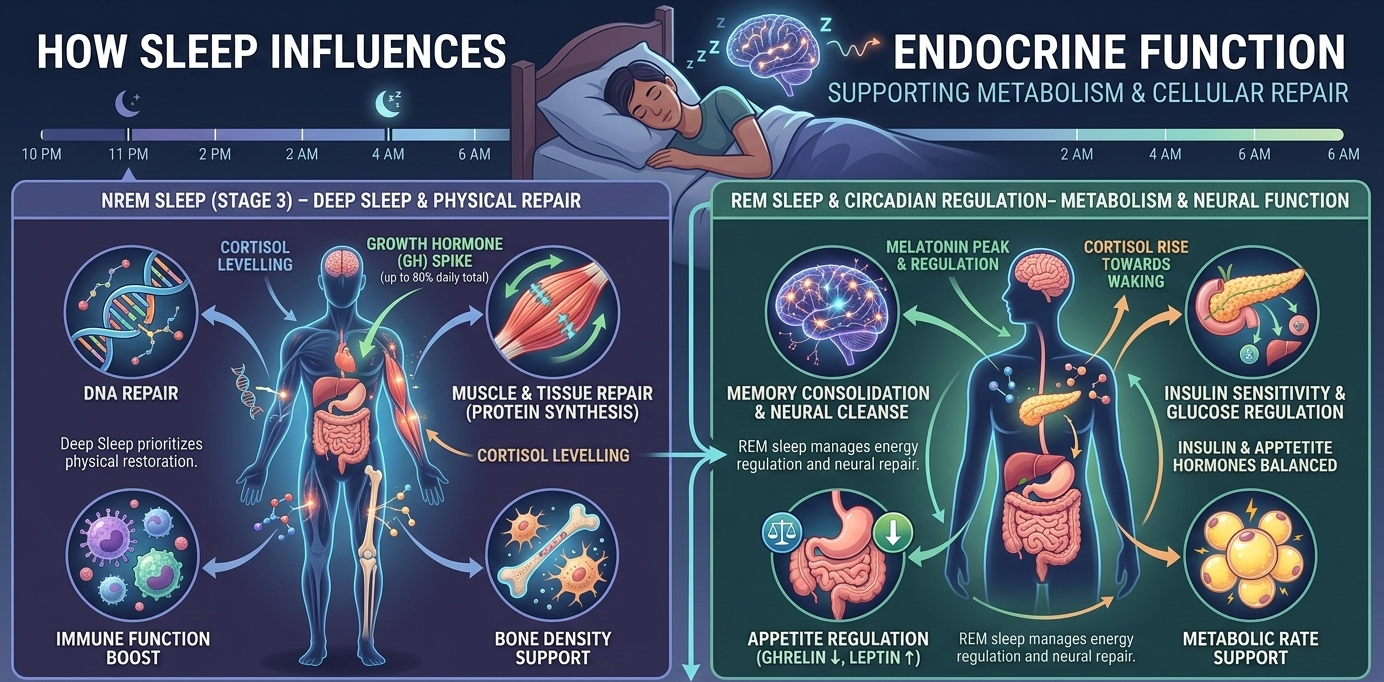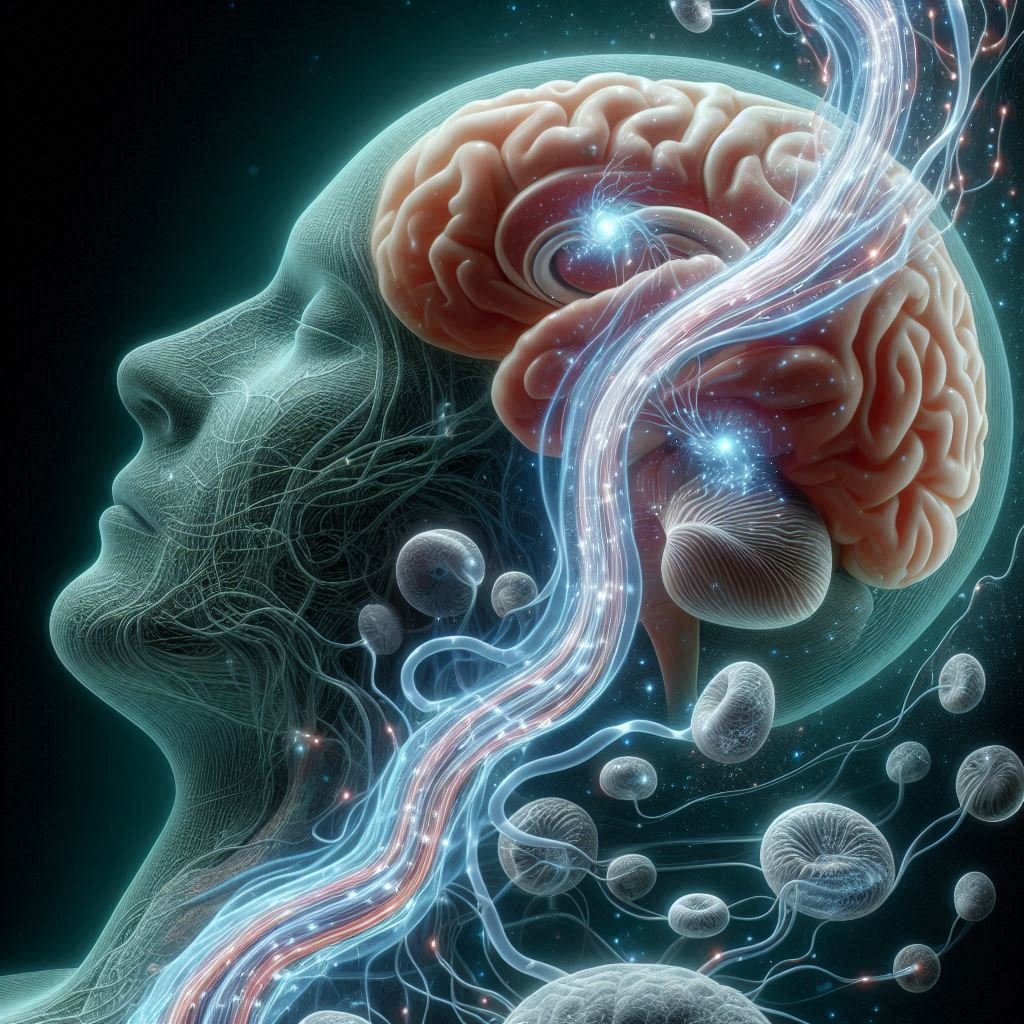
Sleep watching through out much of modern history was typically regarded as a way of conserving energy, as well as consolidating memory. Though those functions are still critical, neuroscience has depicted that there is another, crucial role of sleep: it allows the brain to clean itself physically. At the heart of this finding lies the glymphatic system, which is an expert network of clearance of waste that increases to a considerable extent when a person enters deep sleep.
The brain is not like the rest of the body in that it does not have a typical lymphatic drainage system. Rather, it relies on a special mechanism through which, during the waking to the sleeping day, the cerebrospinal fluid circulates within the neural tissue eliminating the metabolic waste products. Some of these byproducts include beta-amyloid proteins which have been closely related to neurodegenerative diseases. Recent neuroscience studies indicate that an effective glymphatic functioning can be a key to the long-term cognitive maintenance.
The realization of the functionality of this system, and the extent to which this system relies on sleep, changes how we perceive the health of the brain.
The Glymphatic System Discovery
It has been discovered that the glymphatic system is detected by using advanced imaging research which has shown the fluid circulation patterns in the brain. Scientists have found out that cerebrospinal fluid (CSF) is not at rest but moves dynamically in a circle around the blood vessels through perivascular routes.

The term glymphatic is derived out of the facilitation of this circulation by the glial cells, especially the astrocytes. The astrocytes create a structural network that assists in transporting cerebrospinal fluid towards brain tissue and waste towards the outside.
The finding of this solved a long time neuroscientific question: How does the brain eliminate waste without the traditional lymphatic vessels? This clearance mechanism, which is glial dependent, is the answer.
The Reason an Unceasing Waste Removal is necessary to the Brain
The brain is a high metabolic requirement. Though this is a little percentage of the total body weight, it uses a disproportional amount of oxygen and glucose. Continuous firing of neurons in the course of the wakefulness produces energy to facilitate cognition, movement and sensory perception.

As a result of this highly metabolic activity, there are waste products. When the byproducts are accumulated, they can disrupt the communication of the neurons and be part of the cellular stress.
Some of the greatest of these waste products include beta-amyloid proteins. Such fragments of proteins are generated in activity of neurons naturally. They are filtered effectively in favourable conditions. Nonetheless, in the event of a failure of clearance mechanisms, beta-amyloid may accumulate into plaques that may cause neurodegenerative disorders.
The glymphatic system is very crucial to this prevention of such accumulation.
The Glymphatic System works in the following manner
Glymphatic system is the mechanism of controlled exchange of fluid between cerebrospinal fluid and interstitial fluid in the brain tissue.
The cerebrospinal fluid gets into the brain via arteries. Pulsations of blood vessels caused by the beating of the heart aid in pushing the fluid toward the direction. When it is contained within, the CSF combines with the interstitial fluid, which absorbs the products of metabolism.
This peripheral fluid then drains away through the venous systems, which wipe off the rubbish through drainage channels which starts eliminating it off the central nervous system.
This process operates all day but significantly during the sleep and more so during deep sleep.
Deep Sleep as the most ideal Cleansing State
Slow-wave sleep also known as deep sleep is a sleep that is synchronized and has low-frequency brain waves. In this phase, a number of physiological processes are involved that increase the level of glymphatic activity.
Among the most significant alterations, there is the increase in interstitial space between neurons. This space can be found to be more in deep sleep according to research. The increased space gives cerebrospinal fluid more free and effective movement in brain tissue.
At the same time, the activity of neurons decelerates. Lower activity levels of the metabolism decline the generation of fresh waste levels and permits the brain to concentrate on the processes of removal.
These two factors form perfect conditions of massive cleansing. Basically, deep sleep unlocks the receptors through which the brain gets rid of built up toxins.
Clearance Beta-Amyloid and Neurodegeneration
The presence of beta-amyloid has been commonly identified as a characteristic of the Alzheimer disease. Although beta-amyloid is needed as part of neuronal signalling, there exist difficulties once the clearance mechanisms are ineffective.
It seems that sleep is a very important aspect of balance. Research findings indicate that even the temporary loss of sleep can raise the level of beta-amyloid in the brain in measurable quantities. Persistent sleep deprivation can also damage the ability to clear.
The significance of the glymphatic system to clear beta-amyloid supports the possibility of a relationship between the risks of poor sleep and neurodegeneration. Although sleep in itself cannot be used as a determining factor of disease development, its role in waste management is becoming more apparent.
Besides beta-amyloid, the glymphatic system could also help to clear tau proteins which is another substance that has been linked to neurodegenerative disorders.
Old Age and Glymphatic Decadence
As a person ages, there are structural and functional changes that have the potential to diminish the glymphatic efficiency. Vascular stiffening and alterations in the pulsatility of the arteries can result in the slowing of cerebrospinal fluid circulation.
Meanwhile, the elderly tend to have shorter deep sleep periods. As the deep sleep is the period that the glymphatic activity is maximized, the lack of slow-wave sleep can undermine the efficient waste clearance.
Such age-related alterations could be one of the possible explanations of the increased prevalence of neurodegenerative diseases in old age. Maintaining deep sleep can thus be a defense mechanism to the brain.
Loss of Sleep and Cognitive Impairment
Continuous sleep deprivation reduces the duration of deep sleep. Fragmented sleep can decrease slow-wave activity even on the occasions when the overall sleep duration seems sufficient.
The interstitial expansion cannot happen in the best way when there is a lack of deep sleep. Slow movement of fluids inhibits the elimination of metabolic waste.
In the long run, changes in this inefficiency can lead to the accumulation of neurotoxic proteins. New studies are being undertaken to determine the long-term neurological impact of chronic sleep deprivation.
The interaction between Cognitive Performance and Glymphatic functionality.
Neural plasticity and synaptic strength is maintained by efficient waste clearance. In case the metabolic byproducts are appropriately removed, the neurons can have stable communication networks.
Sleep aids in structural and biochemical rest. The glymphatic system allows the best memory consolidation and learning through maintenance of clean extracellular environment.
In contrast, compromised clearance can be the cause of cognitive fog, lack of concentration, and vulnerability in the long term.
Posture, Circulation and Fluid Dynamics
This idea is supported by emerging literature which indicates that body posture whilst sleeping could affect glymphatic effectiveness. The side-sleeping positions can help to promote a better drainage of the fluids than the supine or prone positions.
There is also a factor of cardiovascular health. The movement of cerebrospinal fluid is assisted by arterial pulsations; i.e. vascular integrity assists in efficient clearance of wastes.
These results depict the interrelations between sleep, circulatory, and neurological upkeep.
Long-term implications on the health of the brain
The Glymphatic system has altered the scientific view of the purpose of sleep. Sleep is not a passive condition but a dynamic biological process that allows the brain to be detoxicated.
The health of the brain in the long-term perspective requires regular sleep of deep sleep. Sufficient time of sleep promotes reiteration of glymphatic stimulations.
Small disruptions during nights could be collected over decades. On the other hand, healthy patterns of sleep sustained over an extended period could consolidate cognitive resilience.
Controlling Glymphatic Function with Sleep Hygiene
Deep and uninterrupted sleep should be promoted to be efficient in glymphatic. Regular sleep routines aid in the control of circadian rhythms and promote the consistent slow-wave sleep.
Avoiding the use of bright light and electronic screens in the evening helps in the production of melatonin. Avoiding caffeine consumption near the end of the day helps one to avoid getting into deep sleep.
Waking activities can improve the quality of sleep, which can also contribute to the restorative processes.
Although the research is developing, the current findings suggest the relevance of the given priority to sleep as the way of neurological maintenance.
Future Research Directions
Technologies of neuroimaging are still enhancing the knowledge of glymphatic dynamics. Researchers are doing experiments on how inflammation, trauma and chronic disease affect fluid flow in the brain.
Additional studies can provide therapeutic measures that can be applied in order to increase the clearance rate especially in patients at a high risk of developing neurodegenerative diseases.
The interplay between cardiovascular health, sleep architecture and glymphatic activity is still a significant aspect of neuroscience.
Conclusion
The glymphatic system is an essential process of brain maintenance. It also cleanses the neural tissue by pushing the cerebrospinal fluid through the neural tissue in deep sleep by removing metabolic waste products, such as beta-amyloid proteins, linked to neurodegenerative diseases.
This process of cleansing is only possible in deep sleep which offers the conditions of this kind of cleansing. Decreased neuronal activity, as well as enlarged interstitial volume, permits the free movement of the fluid that helps in detoxification and cognitive compensation.
The current research on neuroscience highlights that sleep does not just contribute to rest, it is also protective. Regular and good sleep allows the glymphatic system to be activated repeatedly which supports the long-term health of the brain.
Sleep is a cognitive investment; hence, it is prudent to prioritize sleep. The brain retains its waste clearance and neural integrity capacity, as well as lifelong mental health, through deep sleep, and stable sleep architecture.