The global food industry is undergoing one of the fastest and most dramatic shifts in its history. New technologies, changing consumer preferences, and a rising demand for sustainability are collectively reshaping everything—from how food is grown to how it lands on your plate. Whether you’re a curious foodie or a conscious shopper, the modern food revolution is redefining how we understand, choose, and enjoy food.
Technology Is Rewriting Traditional Food Systems
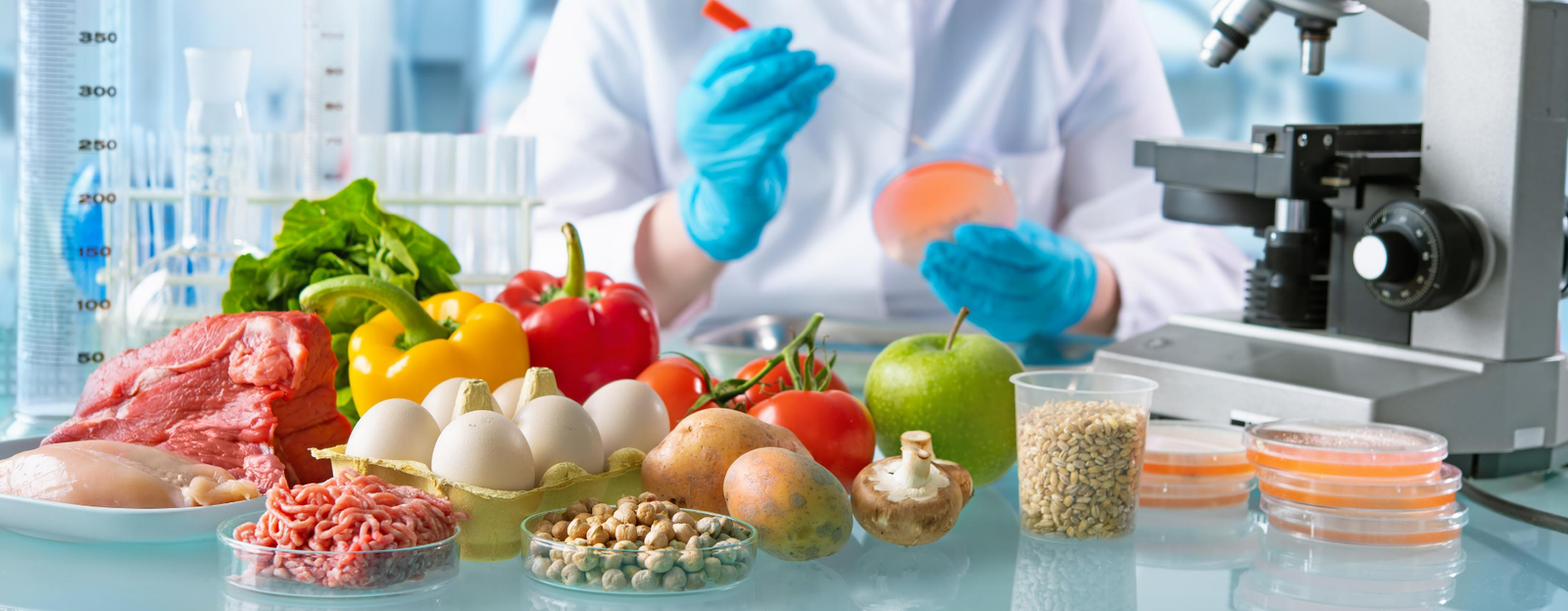
Technology now sits at the heart of modern food innovation. Precision agriculture, for example, uses data analytics, sensors, and AI-driven algorithms to boost crop yields while cutting waste. These smart farming practices help conserve resources and support a growing global population without putting additional pressure on the environment.
Lab-grown meat is another breakthrough. Numerous startups and established brands are investing in cultured meat technology to offer ethical, eco-friendly alternatives to traditional livestock farming. Meanwhile, 3D food printing is bringing creative culinary designs to life—allowing chefs and manufacturers to craft shapes and textures that were once impossible.
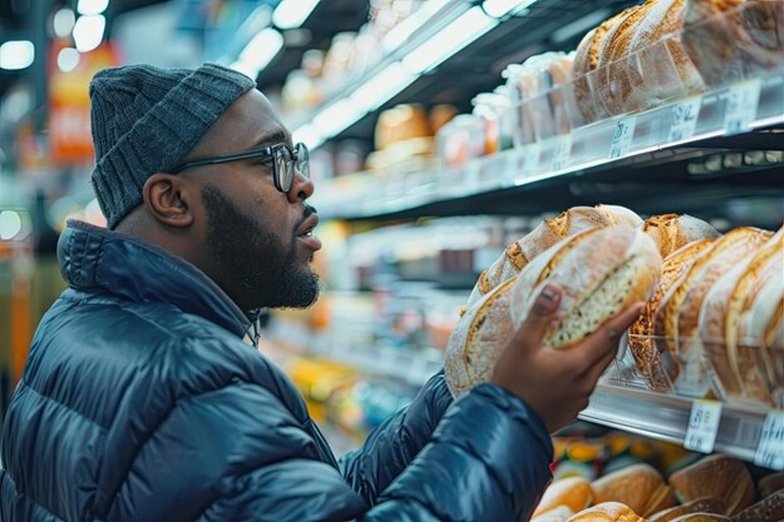
Smart devices and mobile apps also play a major role. From scanning food labels for allergens to monitoring calorie intake, technology is helping consumers make informed nutritional choices every day.
The Rise of Plant-Based and Natural Alternatives
Plant-based food is no longer a trend—it’s the new normal. Consumers seeking healthier, ethical, and eco-friendly options are driving massive growth in plant-based burgers, dairy-free cheeses, and alternative snacks. Major fast-food brands have expanded their menus to include plant-based choices, offering more variety to vegans, vegetarians, and flexitarians.
Even niche foods like unique snacks or trending items—such as the popular sonic pretzel—highlight how plant-based categories are influencing everyday dining. Shoppers are more open than ever to experimenting with new textures, flavors, and formats that mimic traditional foods while offering cleaner labels and improved nutrition.
Where Health and Food Meet: The New Wellness Shift
Modern consumers want more than taste—they want health benefits. This shift has led to increased demand for functional foods enriched with vitamins, antioxidants, probiotics, and nutrients that support immunity, digestion, and overall wellness.
Clean-label foods with minimal ingredients and no synthetic additives are also gaining popularity. People want transparency and trust in the products they consume.
Even skincare is entering the conversation. Natural brands like Medicine Mama Bee Magic, made from clean and nourishing ingredients, show how nutrition and wellness are becoming interlinked. It reflects a broader understanding: what we consume affects both how we feel and how we care for our bodies.
Personalized Nutrition: A Future Built Around You
Personalization is one of the most powerful forces reshaping the food industry. Thanks to advancements in genetic testing, biometrics, and wearable health devices, individuals can now tailor their eating habits to their unique biology, lifestyle, and goals.
Meal-kit services and subscription-based models are capitalizing on this shift by offering meal plans tailored to dietary restrictions, calorie goals, and personal preferences. For busy consumers, these options provide convenience without compromising on health.
Even restaurants are adapting. More eateries now offer customizable menus to ensure people with allergies, intolerances, or specific diets feel included and catered to.
Sustainability Takes Center Stage
Sustainability isn’t just a buzzword—it’s a driving force in food innovation. Consumers are increasingly aware of the environmental footprint of their choices, pushing companies toward greener practices such as reduced plastic packaging, carbon-efficient production, and regenerative agriculture.
Food waste reduction is also a major priority. Innovative apps now connect surplus food with buyers or charitable organizations, while companies are transforming food scraps into new, nutritious products. From algae-based proteins to insect-derived foods, sustainability is inspiring bold, eco-friendly food innovations.
How Supply Chains Are Reinventing Food Delivery
Behind the scenes, food supply chains are evolving just as quickly. Blockchain technology is improving traceability, allowing consumers to verify where their food comes from and ensuring higher safety and quality standards.
Automation is streamlining everything—from robotic harvesting to AI-driven warehouse management—reducing costs and speeding up delivery.
Local sourcing is also on the rise, with restaurants and brands partnering with nearby farms to offer fresh, seasonal produce. This supports local economies and cuts down transportation-related emissions
What the Future Holds for Food
The future of food promises even more exciting transformations. Technologies such as artificial intelligence, augmented reality, and blockchain will continue to influence food production, quality control, and consumer engagement.
Cross-industry collaboration—between chefs, technologists, and food scientists—may soon deliver advanced functional snacks, personalized supplements, and foods tailored to specific medical needs. With the growing adoption of subscription-based models, accessing personalized, healthy, and convenient meals will become even easier.
What’s clear is that these changes aren’t temporary trends—they are long-term shifts focused on improving human health, supporting the planet, and enhancing the entire food experience.
Conclusion
The food industry is moving toward a future defined by transparency, sustainability, personalization, and innovation. From plant-based advancements to cutting-edge technology, the transformation is influencing how we grow, prepare, and consume food. As these changes continue to unfold, consumers can look forward to healthier choices, better accessibility, and a more environmentally responsible food system.