The human body depends on the continuous interaction between the human organs and tissues. Whereas the nervous system sends quick electrical signals, another system is quieter but it has long term effects. This is referred to as the endocrine system. It controls growth, metabolism, reproduction, and mood and other important body processes by secretion of chemical messengers known as hormones into the blood. Knowledge about the function of the endocrine system, gives an idea about the way in which the body is in balance and is able to adapt to internal and external changes.
The endocrine system consists of glands that are specialized and which secrete hormones directly into the blood. The hormones move to their designated organs and they initiate certain responses. The role of the endocrine system cannot be reduced to a single organ or process, but rather the endocrine system is in charge of the interaction of the whole body so that there is stability and continuity in the life of the body.
Learning about the Endocrine System
The endocrine system refers to a system of glands that secrete hormones. The endocrine glands, unlike exocrine glands, do not release the substances through ducts but they release the hormones into the blood stream. This enables the hormones to move to far away organs and tissues easily.
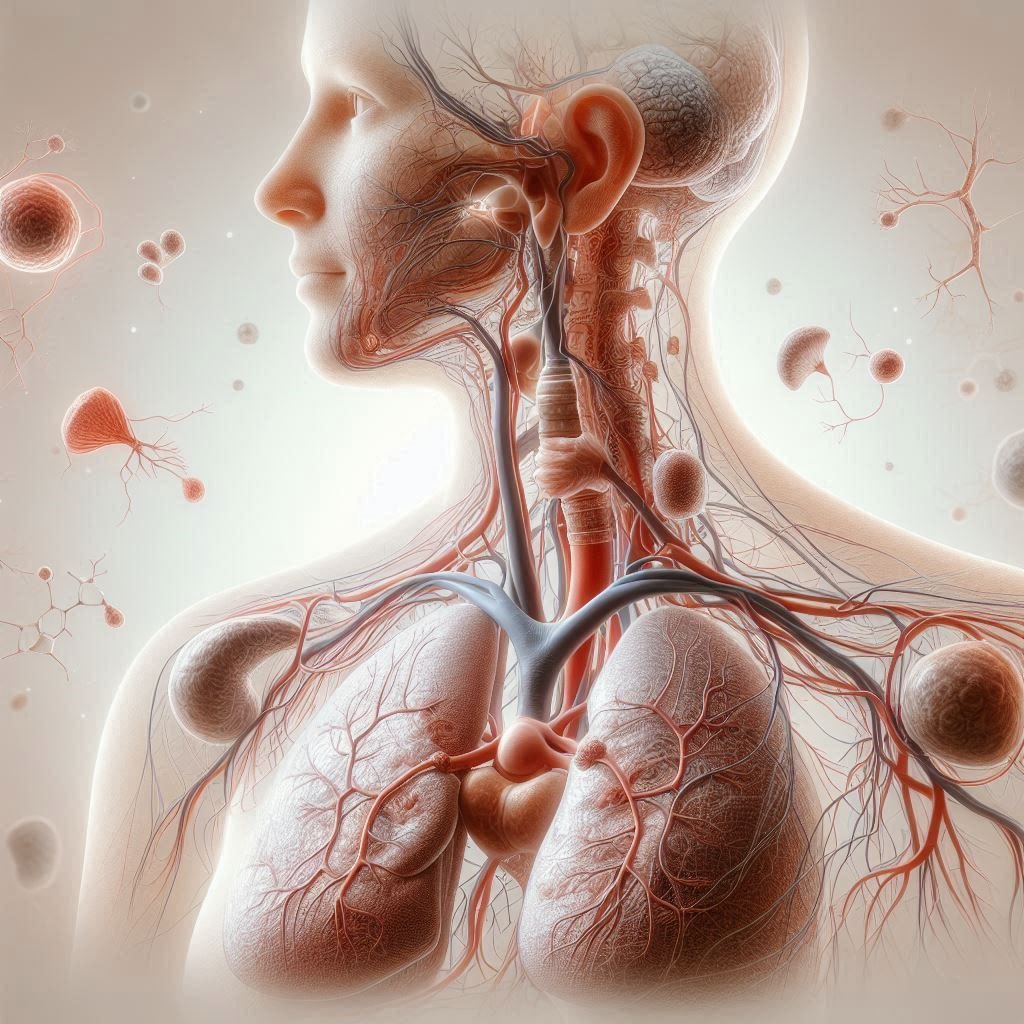
Hormones are chemical messengers that determine the dynamics of cells. All the hormones have a target and only cells that contain the right receptors are capable of responding to it. This type of selective interaction enables the endocrine system to control the complex functions like growth, development, energy expenditure, and stress response within accurate precision
The role of the endocrine system is to provide internal balance which is also referred to as the homeostasis. The body is able to react to variations in body temperature, nutrient levels, emotional stress, and physical activity by varying hormone levels.
Major Endocrine System Glands
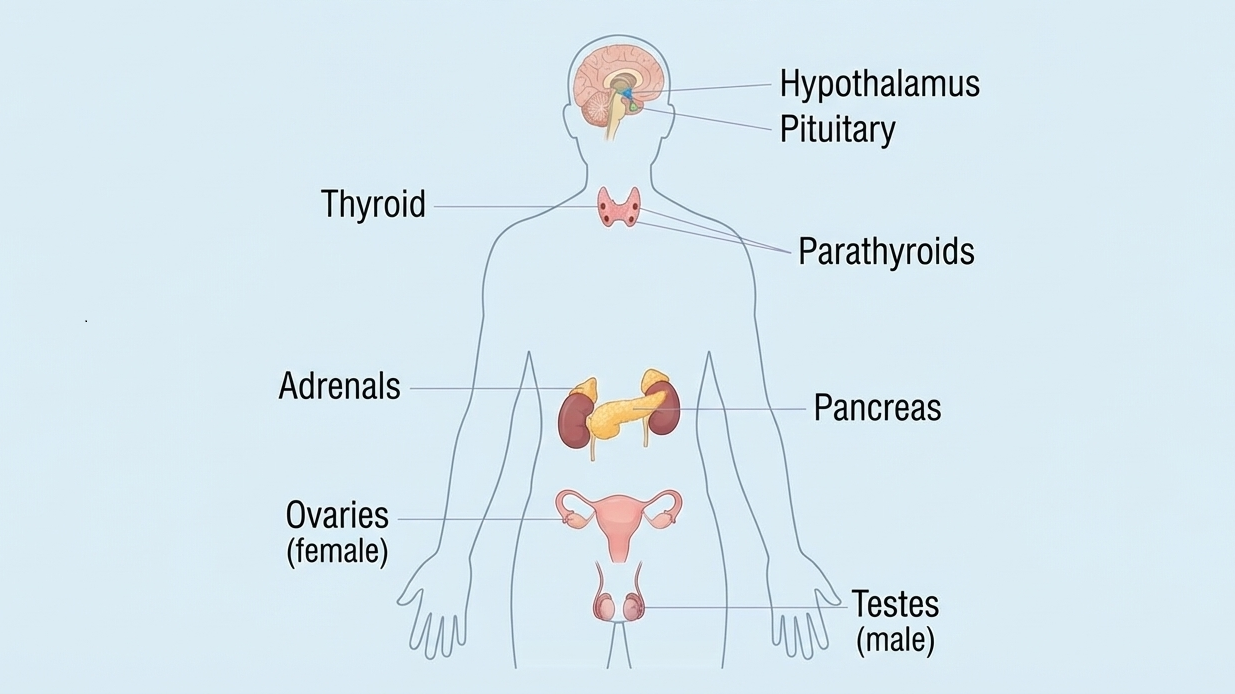
The endocrine system consists of a number of glands, which have distinct functions. These glands do not act in isolation but they create a regulatory network with each other.
The Hypothalamus: The Control Intersection
The hypothalamus is an imperative connection between the endocrine system and the nervous system. It is found in the brain and it tracks the internal states like the body temperature, hunger and fluid balance. In case of a change, the hypothalamus secretes hormones which in turn cause the pituitary gland to take action.
This relationship enables the body to convert the neural messages into hormonal responses so that they are well coordinated to manage.
Masters of the Hormones: The Pituitary Gland
The pituitary gland is often called the master gland and it is the major player in the pattern of endocrine regulation. It is a tiny gland found at the lower part of the brain and it is directly regulated by the hypothalamus.
The hormones secreted by the pituitary gland control those of other endocrine glands such as thyroid, adrenal glands and reproductive organs. It also secretes hormones that affect growth, water balance as well as lactation.
Due to its extensive systemic effect, such small-scale malfunction in the pituitary gland can make several body systems inactive.
The Metabolic Control and Thyroid Gland
Thyroid gland is found in the front of the neck and it controls metabolism. It produces thyroid hormones that determine the rate at which the body utilizes its energy stores, generates heat as well as reacting to other hormones
Once the level of thyroid hormones is normal, metabolism is efficient. But too much or too little production of the hormones will result in metabolic disorders, which influence weight, energy levels, and health in general.
The thyroid gland shows how the endocrine system has a direct effect on everyday physiological processes.
Stress Response and Adrenal Glands
Adrenal glands are glands situated above the kidneys and they help in dealing with stress and regulation of blood pressure. The hormones that are released by these glands include the cortisol and adrenaline hormones which equip the body to react to physical or emotional stress.
When one is stressed, the adrenal hormones raise the heart rate, raise blood sugar level, and divert energy to important organs. This reaction assists the body to deal with urgent difficulties.
Persistent disproportion between the production of adrenal hormones may influence immunity, metabolism and mental health.
The Blood Sugar Regulation and the Pancreas
Pancreas has got endocrine and digestive functions. In its endocrine activity, it secretes insulin and glucagon, hormones that control the level of sugar in the blood.
When the levels of glucose are low, it is picked by insulin to give energy to the cells, and glucagon elevates the amount of glucose in the blood. A combination of these hormones ensures constant availability of energy.
Endocrine balance is important because proper pancreatic functioning is required to prevent such metabolic disorders like diabetes.
Mechanism of Hormone Secretion and Transport
Endocrine glands respond to certain signals by secreting hormones, which may be the action of other hormones or alterations in the internal environment. After being liberated, hormones get into the bloodstream and move around the body.
Hormones however, though scattered, can only work on target cells that have the necessary receptors. This particularity is critical in making sure that the hormonal signals yield the correct and regulated responses.
To get a more in-depth idea of how the hormones circulate in the body and how it is affected, the readers may read the in-depth explanation of the.
role of the endocrine system that defines the collective contribution of the system to health.
Organizational Response and Goal
The receptor binding of hormones takes place on target organs. Hormones attach to their receptors, which causes changes in the cell to occur, including activation of enzymes or gene expression.
There are those that are rapid in their actions and others have slower action lasting effects. This enables the endocrine system to regulate short term requirements and long term physiological alterations.
This process makes the growth, metabolism, reproduction, and emotional regulation to be coordinated.
The Feedback in Hormonal Regulation
The hormone production depends on the feedback, which is mainly on negative feedback. Once the levels of hormones are at the optimal range, they signal to control additional secretion.
As an illustration, the pituitary gland will decrease its amount of the stimulating hormones when the level of thyroid hormones is adequate. This will avoid a high production and be stable.
The feedback mechanism enables the endocrine system to keep self-regulating and adapting.
Endocrine System and Growth
Endocrine activity is very important in growth and development. Growth hormone, thyroid hormones and sex hormones are some of the hormones that direct the physical growth between the childhood and adulthood stages.
These hormones control the growth of the bones, growth of muscles and growth of organs. Interruptions in hormonal levels during the stages of development may have long-term effects.
With the help of the endocrine, growth is made to happen at the right time and at the right pace.
Role in Sexual Development and Reproduction
Fertility, sexual functionality and puberty are regulated by reproductive hormones. Those hormones in the ovaries and testes control the reproductive cycles, production of sperm, and secondary sexual characteristics.
The emotional well-being and energy level are also affected by these hormones which reveals the extensive effects of endocrine regulation.
The appropriate hormonal interaction is necessary in order to achieve reproductive health and general vitality.
Mood and Behavior Monitored by Endocrine
The hormones play a significant role in mood, levels of stress and responding to emotions. Cortisol, serotonin, and other chemicals, which are hormone-related, determine the reaction of the individuals to their surrounding.
Imbalances may add up to anxiety, depression and mood disorders. This relationship shows how endocrine health is essential in relation to mental and emotional health.
Maintaining Homeostasis by Hormonal Balance
Homeostasis is the capacity of a body to have stable internal conditions. The endocrine system is important as it regulates hormones in case of alterations in temperature, hydration, and nutrients.
The endocrine system helps in survival and adaptation by observing internal signals and responding to them by using non-endocrine mechanisms.
Endocrine Disorders and their effect
Hormone levels can be too high or too low when there is malfunction of endocrine glands. This has the potential of disrupting various body systems and causing chronic conditions.
Knowledge of the endocrine system process aids in the realization of the need to detect and treat hormonal imbalances at an early stage.
Conclusion
The endocrine system is such a strong control system that it controls almost all aspects of human physiology. It is the stability, growth and adaptability that is maintained through the action of gland, hormones and target organs.
The release, transportation, and regulation of hormones help the reader to understand the complicated coordination that is needed to promote normal body functions. The role of the endocrine system is much broader than the processes that occur in isolation and is a basis of health, balance, and long-term well-being.