Key Takeaways
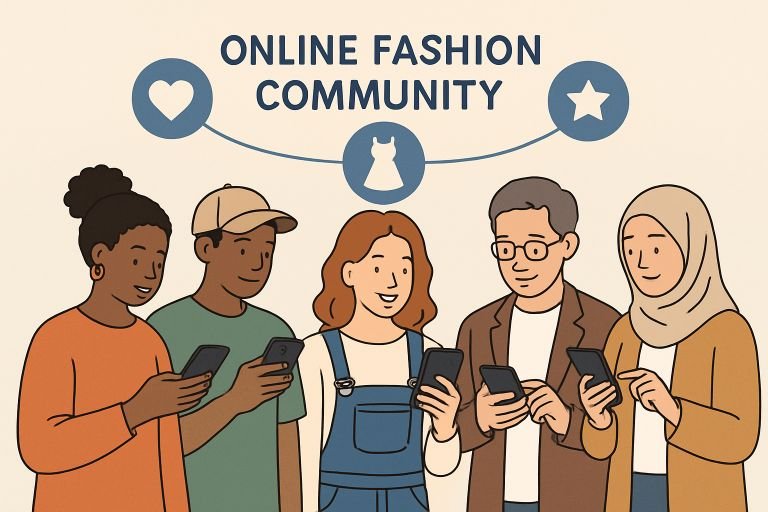
- Digital fashion communities make style collaborative, accessible, and inspiring.
- Street style and grassroots creators now influence mainstream trends.
- Gender-neutral and inclusive fashion challenges traditional norms.
- Sustainability and ethical choices are increasingly prioritized.
- Comfort and versatility define modern everyday style.
- Technology and local groups enhance personalization, connection, and trend innovation.
The Rise of Digital Fashion Communities
Digital platforms have fundamentally transformed how we interact with fashion, sparking the rise of dynamic online style communities. These virtual gathering spaces provide a place for individuals to share their daily outfits, discuss the latest trends, and discover emerging designers. Whether you are looking for inspiration or aiming to redefine your wardrobe, these platforms can help you connect with like-minded enthusiasts. Social networks like Instagram and TikTok foster creativity and community at an unprecedented scale, making even the most niche styles accessible and celebrated. If you’re looking for a more curated style direction, a personal styling service can provide individualized advice catered to your preferences.
The supportive nature of these digital spaces encourages people to experiment with their looks, pushing the boundaries of traditional fashion. Members are empowered to showcase sustainable alternatives, vintage finds, and bold new ideas. As these online communities grow, they develop a sense of belonging and collective innovation, turning personal style into a group conversation rather than a solitary pursuit.
From Street to Chic: The Trickle-Up Effect
Fashion trends were once dictated exclusively by high-end designers and trickled down to the masses. Now, street style has emerged as a significant source of inspiration for even the most prestigious runway collections. This shift, frequently called the “trickle-up effect,” highlights the powerful influence of everyday style creators, bloggers, and subcultures on mainstream fashion. By elevating grassroots movements, these communities collectively shape what appears on catwalks and in stores around the world. This democratization has blurred the line between “designer” and “street,” offering fresh perspectives on self-expression.
Gender-Neutral Fashion: Breaking Traditional Norms
One of the most transformative impacts of style communities is their role in championing gender-neutral fashion. They offer a platform where conversations about identity, inclusivity, and the evolving perception of gender in fashion thrive. As younger generations seek authenticity and flexibility, clothing that transcends gender categories has become more popular and accessible. People are now free to dress in ways that reflect their inner selves, regardless of traditional gender norms, further eroding outdated binary categories in wardrobes everywhere. The trend towards inclusivity is not only about fashion but also represents broader social progress and acceptance.
Sustainability and Ethical Fashion Movements
The momentum behind sustainability is gaining ground, propelled by digital style communities that promote ethical consumption. Members exchange advice on thrifting, upcycling, and discovering brands aligned with environmentally responsible values. The ability to share resources and discuss sustainable habits has contributed to a bigger cultural shift. Shoppers are demanding greater transparency and accountability from fashion labels, challenging industry norms, and supporting businesses that prioritize ethical production. As a result, both established and emerging brands are feeling the urgency to adopt planet-friendly practices, ultimately shaping a future where style does not come at the expense of the environment.
Comfort Meets Style: The Casualization of Fashion
Modern lifestyles have spurred a movement towards more relaxed and practical fashion. The adoption of comfortable fabrics, oversized silhouettes, and athletic-influenced details is a direct response to the demand for clothes that transition seamlessly from work to leisure. Street style now prioritizes comfort and function without sacrificing the aesthetics of self-expression. This “casualization” of fashion reflects a cultural move away from rigid dress codes and embraces versatility, enabling individuals to navigate their daily routines with ease. This approach has influenced both luxury brands and fast fashion, leading to collections that balance performance and presentation.
Technology’s Role in Fashion Evolution
Technological innovations continue to reshape the ways we interact with fashion communities. From virtual reality fashion shows to digital try-ons, technology is making trendsetting accessible beyond geographic restrictions. Online marketplaces and digital fitting rooms allow shoppers to experiment with styles before making purchases, reducing waste and returns. Furthermore, social shopping and influencer-driven platforms are transforming the online retail landscape, turning individuals into tastemakers with wide-reaching impact. As technology evolves, expect even more immersive and personalized fashion experiences that close the gap between inspiration, discovery, and purchase.
Local Fashion Communities: A Catalyst for Change
Offline, local style groups are also redefining the fashion ecosystem. Through clothing swaps, educational workshops, and pop-up markets, these communities encourage sustainable practices and highlight independent designers. Local connections facilitate opportunities to learn about textile recycling, ethical sourcing, and collaborative design projects. By supporting small labels and DIY culture, members cultivate unique and environmentally conscious wardrobes. These local communities are often incubators for trends that eventually gain national or even global prominence.
Final Thoughts
Online and offline style communities are fundamentally altering how individuals engage with fashion. By prioritizing inclusivity, sustainability, and authentic self-expression, these networks challenge outdated industry norms and pave the way for a future where everyone can find their voice in the fashion conversation. Engaging with these communities provides not only inspiration and support but also the power to drive real, lasting change in the industry and beyond.