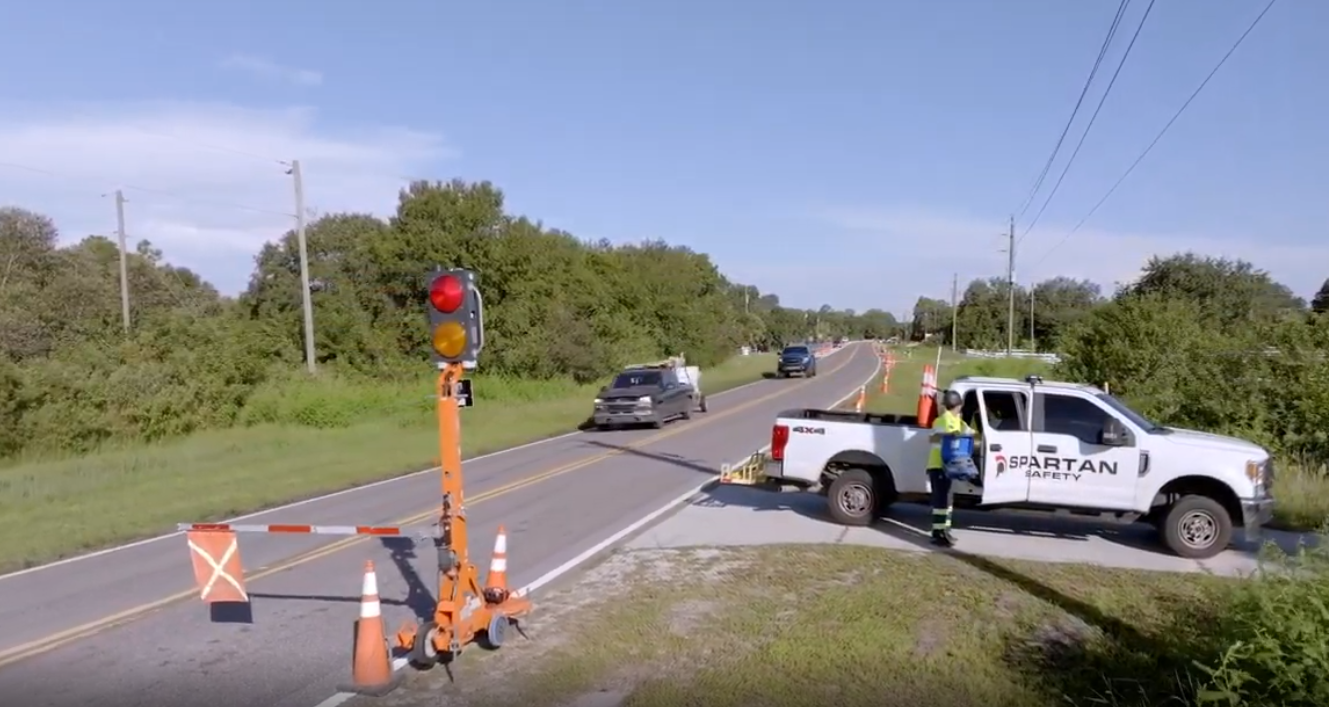
Efficient traffic management is a critical component of modern infrastructure, especially as cities grow and transportation demands increase. Reliable traffic control services play a vital role in maintaining order on busy roads, construction zones, and event spaces. Their ability to manage movement, reduce congestion, and enhance safety ensures that both drivers and pedestrians experience minimal disruption in their daily routines.
Strategic Planning Before Implementation
One of the most important aspects of effective traffic control is detailed pre-planning. Reliable service providers assess road conditions, traffic density, peak hours, and potential hazards before setting up any control measures. This strategic planning allows them to design tailored solutions that align with the specific needs of each location.
Rather than applying a one-size-fits-all approach, professionals analyze patterns such as school zones, commercial activity, and seasonal traffic changes. This data-driven approach ensures that traffic continues to flow smoothly even during disruptions like road repairs or public events.
Proper Use of Equipment and Technology
Modern traffic control services rely on a wide range of equipment to manage roadways effectively. From cones and barricades to digital signage and signal systems, each tool serves a specific purpose. The correct placement and timing of these tools are crucial in guiding drivers safely.
Advanced technology, such as real-time traffic monitoring systems, also helps teams adjust strategies on the spot. For example, if congestion begins to build in a certain area, traffic control personnel can quickly reroute vehicles or modify signals to ease the pressure. This flexibility is essential for maintaining consistent flow.
Skilled and Trained Personnel
Behind every well-managed traffic system is a team of trained professionals. Reliable traffic control services invest in skilled personnel who understand safety regulations, communication techniques, and emergency response protocols. These experts are capable of directing vehicles efficiently while ensuring that all safety guidelines are followed.
Their presence is especially valuable in high-risk zones such as construction sites or accident-prone intersections. By maintaining clear communication with drivers and coordinating with other teams, they prevent confusion and minimize delays.
Minimizing Disruptions During Construction
Construction projects often pose significant challenges to traffic flow. Without proper management, these areas can quickly become congested and unsafe. Reliable traffic control services create structured pathways, clear detours, and visible signage to guide drivers through or around construction zones.
In this context, solutions like barricade rental services in San Antonio TX become highly valuable. These services provide durable and strategically designed barricades that help separate work areas from active traffic lanes. As a result, construction activities can proceed without causing major disruptions to the surrounding traffic.
Enhancing Safety for All Road Users
Smooth traffic flow is closely tied to safety. When vehicles move in an organized manner, the risk of accidents decreases significantly. Reliable traffic control services ensure that all road users, including pedestrians and cyclists, are protected through clearly marked zones and controlled crossings.
They also play a key role in emergency situations by managing traffic around accidents or road closures. Quick and efficient action helps prevent further incidents and allows emergency responders to reach affected areas without delay.
Adapting to Changing Traffic Conditions
Traffic patterns are constantly evolving due to factors such as weather, events, and infrastructure changes. Reliable traffic control services are designed to adapt to these dynamic conditions. Their ability to respond quickly ensures that unexpected challenges do not lead to prolonged congestion.
For instance, during large public gatherings or sudden road closures, traffic control teams can implement temporary solutions that maintain order and prevent bottlenecks. This adaptability is a major factor in ensuring consistent traffic flow.
Supporting Long-Term Urban Development
Beyond immediate traffic management, these services contribute to the long-term efficiency of urban transportation systems. By reducing congestion and improving safety, they support economic activity and enhance the overall quality of life in a community.
Well-managed traffic systems also encourage better planning for future infrastructure projects. Insights gained from traffic control operations can guide city planners in designing roads, signals, and public spaces that accommodate growing populations.
Conclusion
Reliable traffic control services are essential for maintaining smooth and safe movement on today’s busy roads. Through careful planning, advanced tools, skilled personnel, and adaptable strategies, they minimize disruptions and enhance efficiency. Whether managing construction zones or handling daily traffic challenges, these services ensure that transportation systems function seamlessly for everyone.