
The road to recovery from any serious accident or facial injury is never an easy one. While there is, of course, the physical pain and the often-lengthy medical recovery, there is also the quiet grief that comes from losing the face one has always known. If you have been exploring your options, speaking with a facial plastic surgeon in Dallas is one of the most important early steps you can take, because the right specialist can show you a realistic, medically grounded path toward looking and feeling like yourself again.
Reconstructive plastic surgery after trauma is not about vanity. Reconstructive plastic surgery is about function, identity, and the fundamental human desire to recognize who you are by looking in a mirror. Thousands of people each year find out that well-planned surgical intervention doesn’t just restore a person’s appearance; it restores them, and they get back their confidence, their comfort, and a sense of control over their own lives.
Understanding Facial Trauma and Its Impact
Facial trauma may be caused by a variety of circumstances: motor vehicle accidents, sports injuries, work-related injuries, burns, animal bites, and physical abuse. However, the impact is far-reaching beyond the imaging scan. Structural damage to the nose, jaw, cheekbones, eye orbits, and soft tissue may impact respiration, eating, vision, speech, and the normal movement of facial muscles.
What may not get discussed as readily, though, is the psychological burden associated with these changes in facial appearance. Study after study indicates that trauma-induced changes in facial appearance have a direct correlation with increased anxiety, depression, social withdrawal, and PTSD. The face is an incredibly personal part of the human body; it’s how the rest of the world knows you, and it’s how you express everything from happiness to sadness.
Key Insight: Patients who pursue reconstructive plastic surgery after trauma report significant improvements in both self-esteem and quality of life, often within the first year following their procedure, according to clinical literature in the field of facial reconstruction.
Swelling, scarring, asymmetry, and structural irregularities are some common long-term effects of untreated or partially treated facial injuries. These are changes that many people live with for years until they are made aware that modern surgical techniques can improve these conditions.
How Plastic Surgery Helps Restore Facial Structure
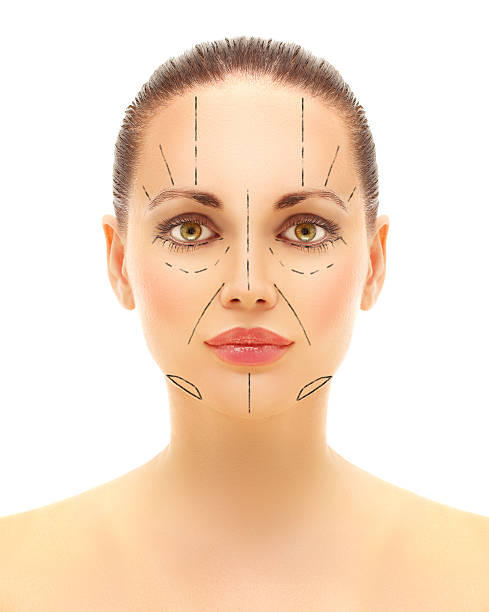
Reconstructive plastic surgery covers a wide range of procedures, each intended to correct different aspects of trauma-related damage. The objective is always twofold: to restore function to normal and to return the face as close as possible to its pre-injury state, or as close as possible to a state that feels comfortable for the patient.
Procedures commonly performed after facial trauma include:
- 1Rhinoplasty1. Rhinoplasty (nose reshaping): Post-traumatic nasal deformities are among the most common surgical problems. A good surgeon can restore nasal appearance as well as nasal function, which is so important for respiration, by correcting any underlying structural collapse, septal deviation, and/or external deformities.
- 2. Scar revision surgery: Deep lacerations and surgical incisions may result in noticeable scarring. Revision techniques, such as dermabrasion, laser resurfacing, and excision, can minimize the texture and appearance of scars over time.
- 3. Orbital and cheekbone reconstruction: The fractures involving the eye socket and midface are commonly treated with implants, internal fixation, and fat transfer techniques for restoring the volume and projection of the face.
- 4. Eyelid surgery (blepharoplasty): When trauma is present in the periorbital region, functional drooping can interfere with vision, as well as cosmetic deformities that impact facial symmetry and expression.
- 5. Soft tissue reconstruction: Fat transfers and facial implants assist in rebuilding the facial features that have been compromised due to tissue damage. This helps restore the natural facial contours that define an aesthetically and naturally healthy facial structure.
For patients in the region, accessing plastic surgery Dallas specialists who focus exclusively on the face means working with surgeons whose entire training and daily practice center on facial anatomy, a level of specialization that matters deeply in complex trauma cases.
Emotional and Psychological Benefits of Reconstructive Surgery
However, it is important to note that a decision to undergo reconstructive surgery after trauma is rarely centered merely on cosmetic changes. In most cases, it is a significant step in a larger process of healing from trauma that involves more than just the physical changes that trauma has wrought.
Patients who have had reconstructive surgery often report a shift that is far more profound than what they had anticipated. They report that they are able to look into a mirror without being immediately reminded of the incident. They report that they are able to go back into social situations that they had started to quietly avoid. Some patients report that they felt, for the first time since their injury, that the face that looked back at them was indeed their own.
These are not trivial results. One’s identity is partially defined by physical continuity. When trauma interferes with that continuity, surgery can be a very real and legitimate therapeutic aid, not a replacement for counseling but a complement to it.
Surgeons who specialize in post-trauma reconstruction are well aware of this. The most thoughtful surgeons will take the time to get to know the patient and really understand what the patient hopes to feel, as opposed to how the patient hopes to look.
Choosing the Right Facial Plastic Surgeon
Choosing the surgeon for post-trauma reconstruction is perhaps the most important decision that the patient will have to make. Not all plastic surgeons have the same level of training and the same interest in facial anatomy. The face is one of the most complex areas of the body in terms of structure, and the outcome of facial surgery more than any other type of surgery is directly related to the skill of the operating surgeon.
Board Certification
Look for double board certification in both Facial Plastic and Reconstructive Surgery and Head and Neck Surgery. This is a standard that ensures accountability in both specialties.
Trauma Case Experience
Specifically inquire about experience with post-traumatic reconstruction, not merely elective cosmetic procedures. Although the skills sets are certainly related, they require different expertise and judgment.
Before & After Portfolio
Look at patient galleries with trauma reconstruction results. The best and most honest representation of a surgeon’s work is from real cases with similar outcomes.
Consultation Quality
A robust form of consultation includes listening, honest goal setting, computer imaging technology, and clear communication of what is possible and what is not possible through surgery.
It is also worth considering whether or not advanced technology such as computer imaging is available to aid in surgical planning, as this allows patients to see the outcome before proceeding with a procedure and allows the surgeon to explain to the patient the scope of work involved.
Patients should always be made to feel that they are being heard and never hurried, regardless of the nature of the consultation. A good surgeon will take the time to get all of your injury history, your current concerns, your goals, and any medical issues that might impact how your surgery is conducted.
Recovery and Long-Term Results

The recovery period from reconstructive facial surgery differs depending on the procedures that were done, the health of the patient, and the extent of the injury. Generally speaking, most patients tend to have swelling and discoloration within the first one to two weeks. Significant improvement tends to be seen within the next six to eight weeks. Results of procedures that involve the bone or deep tissue continue to refine as the healing progresses.
Most practices offer detailed post-operative care instructions, including wound care, activity restriction, sleeping positions, medication management, and scheduling. Those who adhere to these instructions and maintain communication with their surgical team during the post-operative period tend to have the best long-term outcomes.
In complex trauma cases, the best approach may be a series of surgeries over time. This is called staged surgery. An experienced surgeon will discuss the entire process with you during your initial consultation. He will not wait until the entire process is over to reveal the details to you.
The long-term results of post-trauma reconstruction are usually extremely stable, especially if structural procedures like a nose job or orbital reconstruction are performed. Even non-surgical maintenance procedures like laser treatments or fillers can be performed to enhance surgical results over time as a person naturally ages.
Taking the First Step Toward Recovery
Trauma has a way of changing lives in ways that are not always easy to see from the outside. While the physical impact is very real, so too is the behind-the-scenes, day-to-day impact of an altered look and all that comes with it. Reconstructive plastic surgery will not undo what has happened. There is no undoing it. But in the right, experienced hands, it can give patients something very valuable: a face that feels like their own again and the confidence to move forward.
If you or someone you care about is working through life after facial trauma, the most beneficial thing you can do next is seek an in-depth consultation with a medical professional who specializes in reconstruction. Take your time, ask all your questions, and look for someone who takes your concerns very seriously and who is very empathetic.
Healing is possible. For many patients, it begins with a single conversation.
Ready to Explore Your Reconstructive Options?
Advanced Facial Plastic Surgery Center is a Dallas-based facility that focuses on reconstruction for trauma patients. Dr. Benjamin Bassichis is a double board-certified surgeon who has a great deal of expertise in trauma reconstruction.