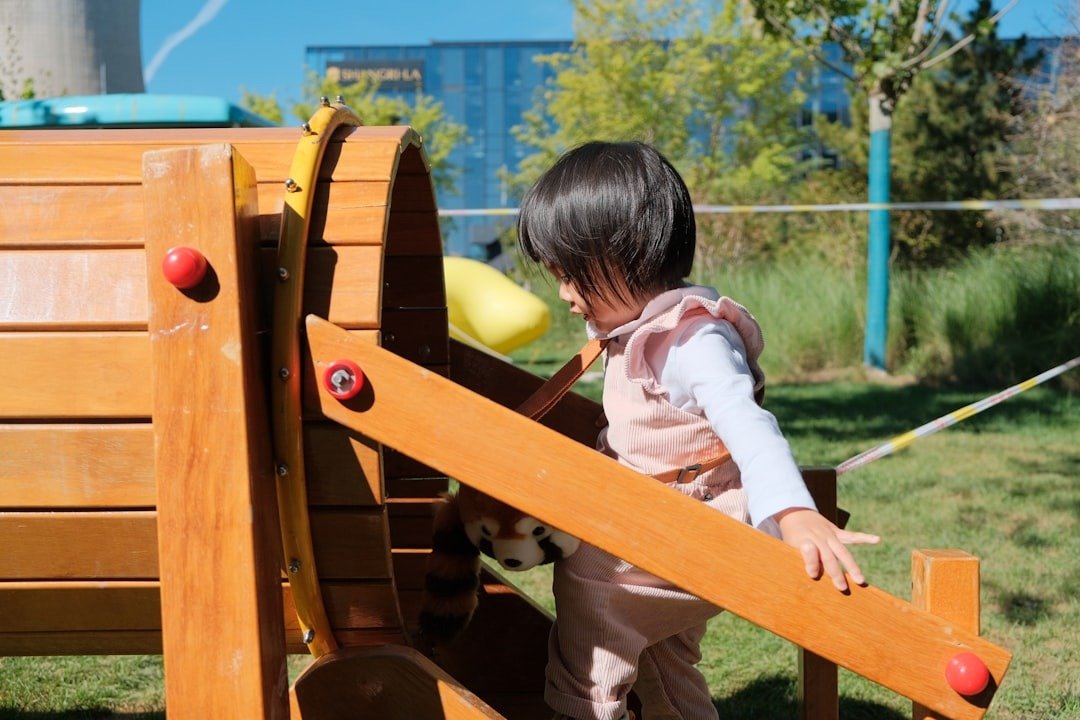
The childcare industry is evolving rapidly, and providers are looking for ways to stand out in a competitive market. Parents today are more informed and selective than ever before. They want environments that support their child’s physical, emotional, and cognitive development. Outdoor spaces have become a powerful differentiator for childcare centers aiming to attract and retain families in 2026.
Investing in quality outdoor furniture and play equipment is no longer optional. It is a strategic decision that shapes the daily childcare experience from the ground up. The right outdoor setup communicates professionalism, safety, and a genuine commitment to child wellbeing. This article explores how thoughtful outdoor environments can transform childcare settings for children, staff, and families alike.
The Role of Outdoor Play in Child Development
Outdoor play is widely recognized as essential to healthy child development. Time spent outside supports gross motor skills, balance, coordination, and sensory exploration. Children who engage in regular outdoor activity also tend to show improved concentration and emotional regulation indoors. For childcare providers, designing the right outdoor environment is both a developmental and a business priority.
Physical activity during childhood builds the foundation for lifelong health habits. Play equipment such as climbing structures, balance beams, and sandpits encourages children to move their bodies in varied and purposeful ways. These activities also promote social interaction, teamwork, and problem-solving between peers. When children are engaged and active outside, the entire childcare day runs more smoothly.
Modern outdoor play environments go far beyond a simple swing set and a patch of grass. Providers are now incorporating nature-based elements, sensory gardens, and multi-functional play zones. These thoughtfully designed spaces meet children at different developmental stages simultaneously. The result is an outdoor environment that feels dynamic, inclusive, and genuinely enriching for every child present.
Choosing Age-Appropriate Play Equipment
Selecting the right equipment means matching products to the developmental needs of specific age groups. Toddlers need low-to-the-ground structures, soft surfaces, and simple sensory activities to explore safely. School-aged children benefit from more complex climbing frames, open-ended play structures, and collaborative play zones. Mixing equipment for different ages within a well-organized space encourages mixed-age interaction.
Safety standards must always guide purchasing decisions, especially when multiple age groups share an outdoor space. Providers should look for equipment that meets current safety certifications and is built from durable, non-toxic materials. Regular inspections and maintenance schedules help ensure equipment remains safe and functional over time. A safe play environment builds trust with parents and protects providers from unnecessary liability.
How Outdoor Furniture Enhances Learning and Comfort
Outdoor furniture plays a critical role in extending the learning environment beyond the classroom walls. Tables, benches, and shaded seating areas allow educators to bring structured activities outside with ease. Children benefit from outdoor storytelling sessions, art projects, and guided group discussions in natural light. These experiences enrich the curriculum and make learning feel fresh and engaging.
Comfortable and functional furniture also supports the wellbeing of childcare staff. Educators who have proper seating and workspace outdoors can supervise and facilitate activities more effectively. When staff are comfortable and well-supported, their interactions with children become more attentive and intentional. This directly improves the quality of care children receive throughout the day.
In 2026, sustainability is a key purchasing factor for many childcare providers. Families and stakeholders increasingly expect organizations to make environmentally responsible decisions. Choosing outdoor furniture made from recycled or sustainably sourced materials sends a clear message about the provider’s values. It also teaches children, through example, the importance of caring for the natural world.
Creating Shaded and Weather-Ready Outdoor Spaces
Weather can be unpredictable, and outdoor programs need to function reliably across all seasons. Shade sails, pergolas, and covered seating areas allow children to enjoy outdoor time even on hot or lightly rainy days. Proper shade structures protect children from UV exposure, which is a genuine health concern during outdoor activity. A shaded and well-equipped space extends the usable hours of the outdoor environment significantly.
Weather-resistant furniture and equipment reduce long-term maintenance costs for providers. Materials such as powder-coated steel, high-density polyethylene, and treated timber hold up well in varied climates. Investing in durable products upfront saves money on replacements and repairs over the years. Providers who plan their outdoor space with longevity in mind make smarter financial and operational decisions.
The Marketing Value of a Well-Designed Outdoor Space
In today’s competitive childcare landscape, first impressions matter enormously. Parents often make enrollment decisions after an initial tour of the facility, and outdoor spaces are immediately visible and impactful. A vibrant, well-organized outdoor area signals that the provider takes quality seriously. It communicates that children are valued, safe, and given space to thrive in every sense.
Social media visibility has also become a practical consideration for childcare providers in 2026. Parents frequently share images of their children’s daily activities on social platforms. A beautifully designed outdoor environment naturally generates positive and shareable content. This kind of authentic visibility supports enrollment growth without requiring a significant advertising budget.
Childcare providers who invest in outdoor environments often see measurable improvements in family satisfaction and staff retention. Happy staff who enjoy working in a well-resourced environment tend to stay longer with their employer. Lower staff turnover reduces recruitment costs and maintains consistency for the children in care. A great outdoor space is not just a facility upgrade; it is an investment in organizational stability.
Communicating Your Outdoor Space in Enrollment Materials
Providers should actively highlight their outdoor environments across all enrollment and marketing materials. High-quality photographs of children engaging with play equipment and outdoor furniture tell a compelling story. Brief descriptions of outdoor programs, learning intentions, and safety practices reassure prospective parents of the provider’s professionalism. Showcasing the outdoor space is a simple and effective way to differentiate from local competitors.
Conclusion
Outdoor furniture and play equipment are powerful tools for improving the childcare experience in 2026 and beyond. They support child development, enhance staff performance, and strengthen a provider’s reputation in the marketplace. Thoughtful investment in outdoor environments reflects a commitment to quality that parents recognize and value deeply. Childcare providers who prioritize their outdoor spaces are positioning themselves for long-term success in an increasingly competitive industry.