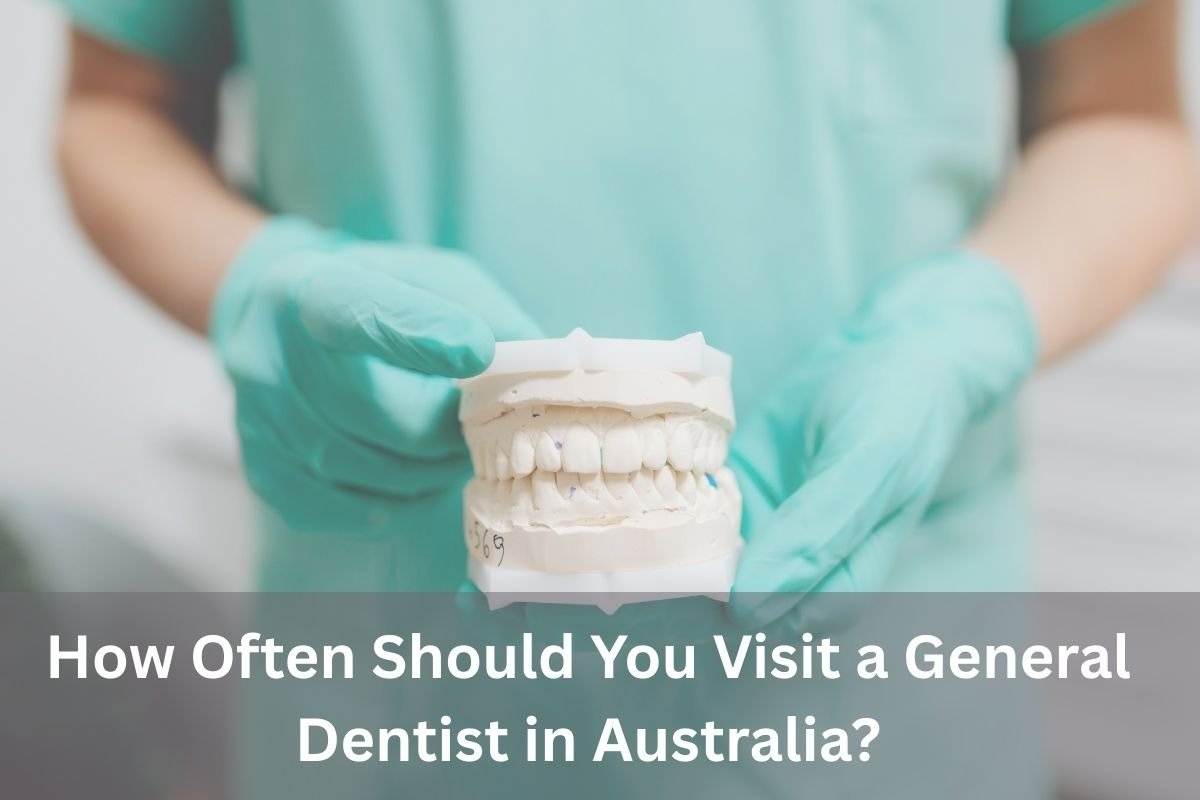
Looking after your oral health is not just about brushing and flossing daily; it also involves regular professional care. A question many people naturally ask is: How often should you go to the dentist in Australia? While you may often hear that visits should happen every six months, this timeframe is not the same for everyone. The right schedule depends on your current dental health, medical history, lifestyle habits, and your overall risk of developing oral issues.
Consulting with your family’s general dentist helps ensure your visit frequency is based on your personal needs rather than a general rule. In this blog, we provide an approach for better long-term protection and support consistent, effective dental care with general dentistry.
Why Is Regular Dental Care Important?
Maintaining good oral hygiene requires frequent visits to the dentist to ensure the health of your teeth and gums for years to come. Many dental issues develop slowly over time, generally not causing pain or other indicators during their initial stages.
By not coming in for regular dental visits (check-ups), potential issues that could have been managed in the earlier stages of development may become more involved and more costly to treat.
Your typical routine dental appointment will include:
- A comprehensive review of your teeth and oral health as a whole
- Professional scaling/cleaning to remove plaque and comorbidities
- Evaluation of your gums
- Review of any previous restorative treatment (i.e., crowns, fillings)
- Screening for any signs of oral cancer
- Practical advice that can be adapted to fit your needs
These routine dental treatments are intended to keep your teeth and gums strong and healthy; therefore, reducing the likelihood of complications and supporting your long-term oral health.
Is Visiting a Dentist Every Six Months Necessary?
In Australia, six-monthly visits to your dentist are recommended if you are an Australian who is healthy with little or no risk factors for dental disease. This clock enables dentists to detect the beginning stages of dental decay, plaque, enamel erosion, or gum disease before it becomes a greater issue.
That said, a six-monthly visit is not a fixed rule for everyone. It acts as a general preventive guide rather than a strict requirement. The most appropriate schedule should be determined after a detailed assessment by your dentist, who can recommend a visit frequency based on your individual oral health needs.
When Should Dental Visits Be More Frequent?
Some patients require more frequent checkups, such as every three to four months. If you fall under any of the following categories, your dentist may recommend more frequent appointments:
- Have a previous diagnosis of periodontal disease (gum disease)
- Have multiple cavities
- Smoke or use any tobacco products
- Have a systemic health condition (e.g., diabetes)
- Wearing an orthodontic appliance (braces)
- Are pregnant (with gum sensitivity due to hormonal changes)
By seeing your dentist more frequently, you will be better able to prevent disease progression and will have better long-term oral health outcomes. Following a proactive approach to scheduling appointments will help you manage your risk factors more effectively.
Can Some People Visit the Dentist Less Often?
In some instances, patients with outstanding oral hygiene and very few risk factors have been given directions to have one check-up per year instead of two because they present themselves as a very low-risk patient after an in-depth evaluation of the following criteria:
- Consistent and efficient brushing and flossing
- Healthy gums with no evidence of inflammation
- Minimal plaque/tartar build-up
- No major restorative work has been done in the past year
- Stable/positive dental history
However, just because a patient is considered an excellent candidate for annual appointments, it does not mean they should not seek dental treatment throughout the year unless it is necessary. Continuous evaluation by a professional is very important because it helps identify potential issues at an early stage and keeps oral health stable over time.
How Does Age Influence Dental Visit Frequency?
Oral health needs change over time, and each stage of life brings its own considerations:
1. Children and adolescents’ teeth change and shift over time. A dental check-up every 6 months helps monitor the alignment of your teeth, when your teeth are coming in and the level of risk you have for cavities. Providing preventative care early greatly decreases the chances of your child developing more difficult dental problems later in life. Consistent habits and routine visits are very helpful in building a solid oral health foundation for many years to come.
2. In adults, many things can affect their oral health, like stress, eating habits, and busy schedules. The effects of these factors can be more than just poor nutrition and emotional health. Adults may display signs of wear on their enamel (the outer layer of their teeth), bruxism (grinding their teeth), or swollen gums. If you monitor these issues regularly, then you can catch them before they worsen.
3. As people get older, some common changes in their oral health status may include dry mouth, receding gums, or loss of function for crowns, bridges, or dentures. Regular evaluations are important because they ensure past restorations are functioning properly and are comfortable now and in the future.
Scheduling a well-planned preventive care program with your family’s dentist will guarantee that your dental care will be appropriate and effective throughout your lifetime.
What Occurs During a Routine Dental Appointment?
For those looking for dental care near you, knowing what happens during a routine appointment can make the process feel more straightforward and reassuring. A general check-up is designed to be thorough yet preventive in nature.
During a typical visit, your dentist will usually:
- Review your medical and dental history to understand any changes that may affect your oral health
- Carefully examine your teeth, gums, tongue, and surrounding tissues
- Professional scaling and polishing to remove plaque and tartar build-up
- Recommend diagnostic X-rays if clinically necessary
- Provide personalised preventive advice based on your current oral condition
These everyday dental treatments focus on preserving the strength and function of your teeth, preventing the progression of potential issues, and supporting your overall well-being through consistent professional care.
How Does Preventive Dentistry Benefit Long-Term Health?
Preventive dental care plays an important role not only in protecting your teeth and gums, but also in supporting overall health. Studies have shown links between untreated gum disease and broader health concerns, including heart conditions and complications related to diabetes. This highlights the importance of addressing oral issues early rather than waiting for symptoms to worsen.
Regular dental visits make early intervention possible, helping to reduce the risk of:
- Advanced periodontal (gum) disease
- Tooth loss
- Infections that require more complex treatment
- Costly restorative procedures such as crowns or root canals
By committing to consistent preventive care, patients can lower long-term health risks, avoid unnecessary discomfort, and reduce the financial strain associated with delayed treatment.
What Symptoms Indicate an Immediate Dental Visit?
Certain symptoms require immediate assessment, regardless of your next scheduled appointment. Below are those symptoms that need to be seen by a dentist as soon as possible:
- Tooth pain that doesn’t go away
- Bleeding or swollen gums
- Bad breath without an explanation
- Teeth are sensitive to hot/cold
- Loose teeth
- Visible swelling or abscess
If you wait too long before your dentist assesses these conditions, they may worsen over time. Seeking dental care as soon as possible is important for early treatment and preventing complications later.
How Can Patients Determine the Right Schedule?
To accurately assess how frequently you should see a dental professional, it is imperative to have a professional assessment performed. An assessment will involve several key components:
- Your present oral hygiene situation
- Condition of your gums
- Your cavity risk
- Medical history that may be applicable
- Existing lifestyles that can affect your oral health
- Any dental work that may have previously occurred
In addition to these evaluations, an appropriate recall of dental visits can then be determined based on the complete analysis. The personalised approach of using the dentist as your guide creates an accurate and effective means of monitoring your oral health without scheduling visits that either occur too often or do not occur often enough.
Conclusion
Most people can effectively prevent tooth decay through biannual check-ups. However, personal factors may necessitate different recommendations for when to go in for a check-up.
The appropriate frequency of visits will depend on your oral health, as well as your risk factors and dental history, all of which must be communicated to your dentist so they can recommend a realistic schedule based on your unique needs.
Having regular appointments, combined with consistent brushing, flossing, and other at-home care, will help support the strength of your teeth and overall health long term.
A preventive approach is the foundation of maintaining healthy teeth and gums throughout life.