The fact that cancer is one of the most prevalent causes of mortality in the world, and that its consequences on patients, families, and healthcare systems cannot be overestimated. Although treatment has improved, survival rates are closely related to the stage of diagnosis at which the cancer is identified. Many of the cancers catchable early can be treated successfully, and may require less aggressive treatment. Regrettably, some cancers are silent, implying that they develop with no detectable symptoms until they are at an advanced cancer stage. At this stage, these treatment options can be restricted, more invasive and less effective.
This fact explains the high significance of early diagnosis. Conventional diagnostic tools, like imaging examinations, tissue biopsies, physical examinations, can do so only after the cancer has caused its manifestation in the tissues or organs. What has lacked is the possibility of early detection of cancer at its most treatable stages, before its symptoms appear.
This is the place that molecular pathology is changing the modern medicine. Through genetic and molecular alterations of DNA, RNA, and proteins, molecular pathology helps clinicians identify the earliest activity of a cancer that in many cases can be detected before it is visible on an x-ray or felt during a physical examination. Liquid biopsies, genetic profiling, and testing of biomarkers are just a few of the techniques that have been on the leading edge of this transformation. The techniques are non-invasive, specific, and can give real-time information on any progression of the disease.
This article discusses the role of molecular pathology in the detection of cancer in its early, silent phases, with emphasis on liquid biopsies, genetic profiling and testing of biomarkers. It also looks into the overall advantages of early detection, the hurdles that are still to be overcome, and the future of this new area.
The Silent Nature of Cancer
The fact that cancer is capable of being quiet in the initial stages is one of the most problematic issues about cancer. There are numerous cancers such as pancreatic, ovarian, and lung cancer, among others that do not show any symptoms until they are in an advanced stage. Cancers with symptoms like breast or colorectal cancer can still be undiagnosed in case the warning signs are not very strong or they are confused with other less serious issues.
Conventional diagnostic techniques are very limiting. Such imaging methods as CT scans, MRIs, or mammograms are priceless but can only be used to identify cancers when the tumors have become visual. On the same note, tissue biopsies are also invasive and can only be conducted when there is already a high suspicion of disease. It is an indication that cancers may go unnoticed until they have swollen, proliferated in a particular area or metastasized to other organs.
This silent aspect highlights the reason why diagnostic instruments capable of peering beyond structural changes are required. Molecular pathology may uncover the existence of cancer at a very early stage, even before the symptoms develop or the traditional methods can detect the presence of an abnormality.
The Role of Molecular Pathology In Early Detection
Molecular pathology is a subspecialty of pathology, a combination of molecular biology, genetics, and biochemistry, to examine disease at its most fundamental level the molecular level. In contrast to conventional pathology, which concentrates on the cell and tissue structure, molecular pathology examines changes in DNA, RNA, and protein, which indicate disease processes.
Molecular pathology permits in the case of cancer:
- Identifying genetic mutations: Identification of inherited or acquired mutations that put people at risk of cancer.
- Monitoring gene expression changes: Allowing the monitoring of abnormal activity of cellular pathways which may result in uncontrolled growth.
- Detecting protein biomarkers: Determining the presence of abnormal proteins being released by tumors or changed expression in tissues.
Recent research on these molecular signals has enabled clinicians to diagnose cancer at a much earlier stage, anticipate its future behavior and select the treatment that fits each individual. Such a change to personalized medicine, instead of one-size-fits-all treatment is a significant advance in the field of oncology.
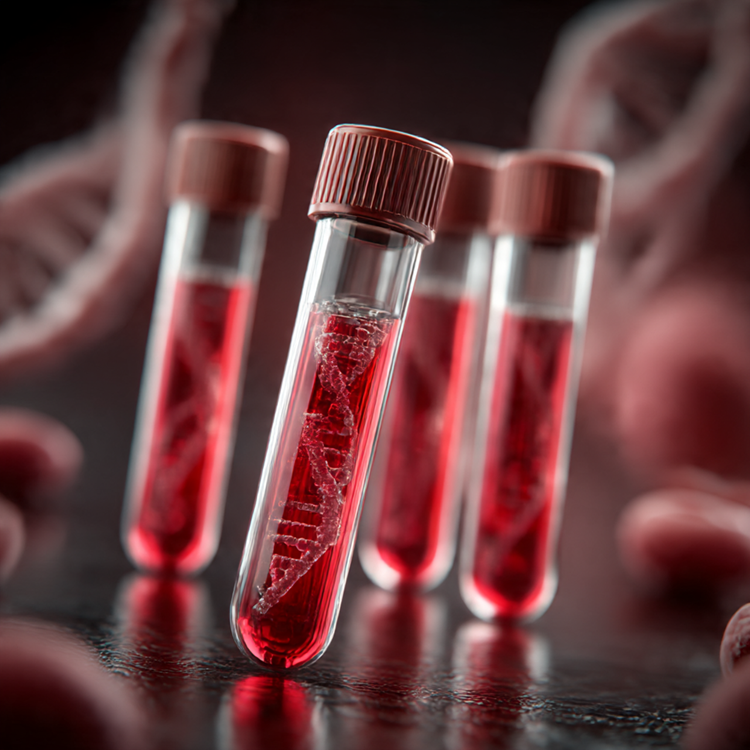
Liquid Biopsies Revolutionizing Cancer Screening
Liquid biopsies are among the most exciting tools in terms of molecular pathology. Liquid biopsies, in contrast to tissue biopsies, which can be considered the most traditional biopsies, involve the removal of liquid samples of suspected tumors through invasive procedures.
Liquid biopsies identify:
- Circulating Tumor DNA (ctDNA): Cells of cancer secreted fragments of genetic material into the bloodstream.
- Circulating Tumor Cells (CTCs): Entire cells which detach themselves and are carried in the blood.
- Exosomes and Other Vesicles: Very small particles that are emitted by cancer cells and contain proteins and genetic material.
Liquid biopsy can be conducted on a regular basis since it is non-invasive, which will give real-time information about cancer progression and development. They especially come in handy in:
- Early Detection: Diagnosing cancer when there is no abnormality in terms of symptoms or imaging.
- Monitoring Recurrence: Early warning of the recurrence of cancer months before the conventional scans.
- Assessing Treatment Response: Demonstrating that therapies are effective through blood tumor DNA levels.
Example: In colorectal cancer, researchers have demonstrated that ctDNA tests can detect recurrence six months earlier than with imaging resulting in an earlier intervention opportunity and improved treatment.
Genetic Profiling and Cancer Mutations
Cancer is a genetic disease, and is simply the result of mutations in cell growth and division. Molecular pathology Molecular pathology, also called genetic profiling, involves taking the DNA of a patient to learn which mutations predispose the patient to a cancer or makes the tumor grow.
- Hereditary Risk Detection: The BRCA1 and BRCA2 mutations predispose to breast and ovarian cancer. The prevention can be done by identifying the carriers and implementing preventive measures such as increased screening or amputation.
- Tumor Profiling: Another approach to reveal mutations that influence tumor behavior is genetic analysis of cancer tissue or ctDNA. This can be used to inform treatment choices, including the use of PARP inhibitors in BRCA-mutated malignancies.
- Personalized Therapy: Genetic profiling allows patients to get treatments that concentrate on the molecular characteristics of their tumor, and this allows better results to be achieved and less unwanted side effects.
As an example, EGFR mutations in lung cancer patients are more responsive to targeted drugs when compared to non-mutated cancer patients. Genetic profiling therefore allows it to avoid trial and error methods and provide precision medicine.
Biomarker Testing for Early Cancer Signs
Biomarkers are quantifiable compounds in blood, urine or tissues that signify a physiological process, such as cancer. Molecular pathology employs testing of biomarkers to diagnose cancers at an earlier stage and also in the course of treatment.
Known examples include:
- Prostate Specific Antigen (PSA): High levels indicate the risk of prostate cancer.
- CA-125: Associated with the detection of ovarian cancer.
- HER2: Breast cancer overexpression is an indicator of responses to targeted therapies.
The development of molecular methods means that the biomarker panels can be multiplexed to test a series of cancer-associated proteins or genetic alterations at the same time. This enhances the accuracy and minimizes the false positives.
Biomarker testing is a versatile tool in oncology as it is not only used to detect cancer but can also be used to monitor treatment response and prognosis.
Comparing Traditional vs. Molecular Approaches
Conventional diagnostics and molecular pathology have different functions.
- Accuracy: Molecular tests can identify minute amounts of cancer DNA or cancer protein, usually before the tumors show up on the scans.
- Speed: PCR or liquid biopsy results can be received in days, rather than weeks when it comes to tissue biopsies.
- Invasiveness: Molecular techniques are not very invasive because all that is needed is blood or urine samples.
It is always easier to observe more favorable results through the use of molecular methods in case studies. As an example, earlier surveillance and preventive strategies in women at risk because of BRCA mutations dramatically lowers the chances of death as compared to mammography only.
Broader Benefits of Early Detection via Molecular Pathology
The advantages of a molecular pathology on the early detection of cancer go way beyond the diagnosis.
- Better survival: Cancers that are diagnosed at a very early stage have a higher survival rate than those diagnosed at a later stage and may have lower survival rates that are under 20 percent.
- Additional treatment options: The treatment options are increased by the possibility of early detection using minimally invasive surgery, targeted therapies, or immunotherapies before the disease progresses.
- Reduced treatment expenses: The prevention of advanced disease saves money that would otherwise be used on the healthcare expenses of long-term chemotherapy, radiation or hospitalization.
- A healthier lifestyle: Patients escape the ultimately incapacitating side effects of late-stage treatments, and are consequently more well-rounded.
Challenges and Ethical Considerations
Molecular pathology is not without its problems, though it promises a lot.
- Availability and affordability: Advanced tests are still relatively costly and cannot be as readily accessibly in low-resource environments.
- Interpretation of data: not every genetic mutation has clinical importance; it takes skills to identify the harmful and harmless genetic variants.
- Privacy issues: Genetic information has significant implications on the patients and their families, and this raises the ethical concerns of confidentiality and discrimination.
- Equity in care: Molecular diagnostics can increase inequity between the rich and the under-resourced unless it is carefully planned with policies that are equitable.
Dealing with them will be one of the primary issues to make sure that the benefits of molecular pathology are delivered to every patient.
The Future of Cancer Detections
In the future, molecular pathology will be enhanced further by the increased technological advances.
- Artificial Intelligence (AI): Machine learning algorithms are able to process large-scale sequencing data and detect subtle clues of cancer that are not visible to humans.
- Single-cell analysis: New technologies will enable the study of cancer in the light of a single cell, showing how cancer spreads.
- Greater liquid biopsy application: already transforming the world of cancer treatment, liquid biopsies are probably to end up in routine screenings.
- Global access: With the decrease in cost, these tools will reach a wider range of populations, decreasing outcomes disparities in cancer globally.
This incorporation of molecular pathology within the mainstream healthcare systems will revolutionize cancer to be a disease usually diagnosed in the late phases into a disease regularly diagnosed in the early phases when treatment is most efficient.
Conclusion
It has always been one of the most threatening features of cancer as it is silent. Symptoms may not manifest themselves in time before it is too late to be cured. The field of molecular pathology is transforming the said reality. It identifies cancers at their earliest stages, usually way ahead of conventional approaches by examining DNA, RNA and proteins.
Molecular pathology can offer potent solutions to detect cancer in the body, even before it produces symptoms, with liquid biopsies, which offer real-time, non-invasive monitoring, genetic testing that identifies inherited risks and tumor drivers, to biomarker tests that reveal early disease dynamics.
The advantages are overwhelming: increased rates of survival, greater choice of treatment, reduced costs and quality of life. The future of cancer detection is obvious, despite the challenges that still persist, in particular, with the cost issue, access, and ethics. With the ever continuing evolution of molecular pathology, it will reshape the way we perceive the process of diagnosis, prevention, and the fight against cancer, as a whole.
The pre-symptomatic phases of cancer are no longer required to be hidden. Through molecular pathology, they would be revealed and the patients have the highest probability of survival and a healthy future.