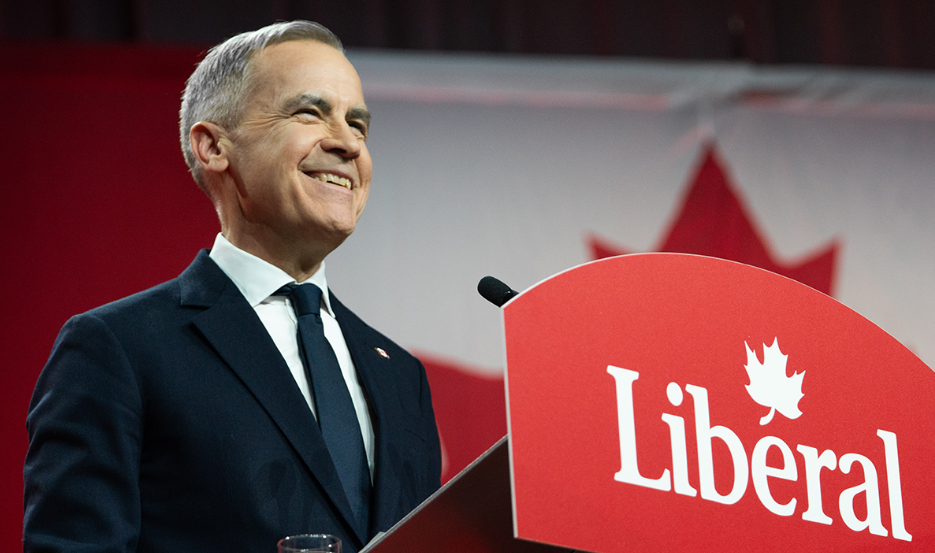
Today, as the global economy becomes more uncertain, with the challenges of climate and financial volatility, resilient economic strategies are the need of the hour. These happen to be the times that pushed the voice of Mark Carney into the global limelight, contemplating the continuity of financial stability with sustainable growth. His thoughts are actually drafting the constitutions of how governments, investors, and financial institutions start planning for the future.
This article forays into Carney’s contemporaneous economic philosophy and explains why that framework also matters today. Follow
for a deeper look at his vision.
Influence of Mark Carney on Modern Financial Systems
Establishment of a conventional fund is an important initiative, but disobedience at home means thinking about resource sharing.
- Abrupt changes in the rise of assets are seen along an energy transition
- Awareness of environmental responsibility costs in the legal and regulatory sectors
By integrating these into financial considerations, Carney acknowledges that stability cannot be seen merely as symptomatic of crisis management but has to evolve mechanisms aimed at averting crises before they emerge.
Sustainable Finance as an Economic Opportunity
The important bit Carney is clear on is the notion that sustainability and growth go hand in hand. That is to say, sustainable finance is a great economic opportunity for this generation.
Investment in renewable energies, green infrastructure, and low-carbon technologies could
- Create new jobs.
- Foster innovation
- Reduce long-term financial risk
- Strengthen economic resilience
Carney has thrown the gauntlet in stating the obvious that channeling capital to sustainable businesses is, however, a good investment financially.
The Place of Transparency and Climate Disclosure
The single most influential change has put climate-related financial disclosures in the international spotlight. Both companies and financial institutions are spurred to disclose climate risks in a standardized way through schemes like the Task Force on Climate-Related Financial Disclosures (TCFD).
These disclosures help:
- Investors evaluate long-term risks
- Markets price assets more accurately
- Businesses plan more effectively for future challenges
Enhanced transparency fosters trust in financial markets, making it easier for capital to flow to more sustainable and resilient investments.
Climate Change: A Financial Risk Markets Can’t Afford to Address
“Mentioning his most quotable line, Carney says climate change is the tragedy of the horizon, for the most severe effects of climate change will be felt beyond the business cycle and thus beyond the horizon of political cycles. This lack of proximity can give birth to inaction, further increasing the cost later on.
Injected into the system today is Carney’s call to blame the financial sector for its climate risks, an attempt to stir markets into breaking away from their habitual obsession with short-term profits. Carney’s perspective genuinely shifts climate change from being seen as more of an external issue to a core economic challenge.
The Importance of Global Financial Cooperation
A lustration of Carney’s vision beyond national boundaries involves issues of global governance and cooperation; he stresses international cooperation as the last bulwark against the mutually destructive instability currently pervading the world economy.
His demands include better regulation standards, stronger checks on international financial institutions, and cross-border cooperation on sustainability issues. Through a synchronized global moment, Carney advocates making these reforms indomitable in their consistency and effectuality, worthily keeping systemic risks from bringing whole economies down.
Why Mark Carney’s Vision is Relevant in Our Time
Carney’s ideas hold relevance in three particular important cases:
- Climate Risk is Financial Risk
Episodes of environmental degradation are already affecting the value of property, supply chains, and insurance markets.
- Sustainable Investment Drives Long-Term Growth
Green Finance nurtures innovation and develops economic inclination for an effective experience during degradation.
- Transparency Improves Market Confidence
A clear disclosure standard enables investors to make more judgmental decisions.
Conclusion
Mark Carney’s approach to finance offers a strong roadmap to counter current economic challenges. Reconnecting financial stability with sustainable growth shows how long-term thinking might secure economies, while also unlocking new opportunities.
As climate risk grows and the dynamics of global markets keep emerging, Carney’s vision becomes indispensable for policymakers, investors, and corporate leaders seeking a more secure and sustainable future.
Find out more at Startup Editor
— a trusted resource on leadership, finance, and sustainable economic strategy.