You visit for a checkup. You expect cleaning, X‑rays, and a quick look. You might not expect a quiet talk about how your smile looks. Today, many family dentists fold these choices into a normal visit. You sit in the chair. The dentist checks your teeth for decay and gum trouble. Then the talk can shift. You might hear about whitening, small repairs, or ways to even out edges. You might see photos that show what small changes can do. This soft approach keeps the focus on health first. It also respects your comfort and budget. At a trusted dental office in Medford, the goal is simple. You leave with a mouth that feels strong. You also leave with clear options to feel less guarded when you smile.
Why dentists raise appearance during routine visits
You might wonder why your dentist brings up the way your teeth look during a basic visit. The reason is simple. How your teeth look often connects with how they work and how they feel.
- Chipped or worn teeth can crack more.
- Crowded teeth trap food and raise cavity risk.
- Stained teeth can hide early problems on the surface.
The Centers for Disease Control and Prevention explains that oral health links with daily life and self confidence.
When you feel ashamed of your smile, you might avoid laughing, eating with others, or even speaking up at work. A short talk during a checkup can open the door to small changes that protect health and also ease that quiet stress.
Common aesthetic options your family dentist may offer
Family dentists often keep the choices simple. The focus stays on safe changes that fit into normal care. You can expect options like these.
- Whitening. Helps lighten stains from coffee, tea, or tobacco.
- Tooth colored fillings. Blend with your teeth instead of showing metal.
- Bonding. Uses a tooth colored material to repair chips or close small gaps.
- Shaping and contouring. Smooths rough edges or slight overlaps.
- Simple orthodontic referrals. For more crowded teeth or bite problems.
Each option can fit into a routine visit or a short follow up. Your dentist checks your health first. Then you talk through what matters most to you.
How these options fit into a normal checkup
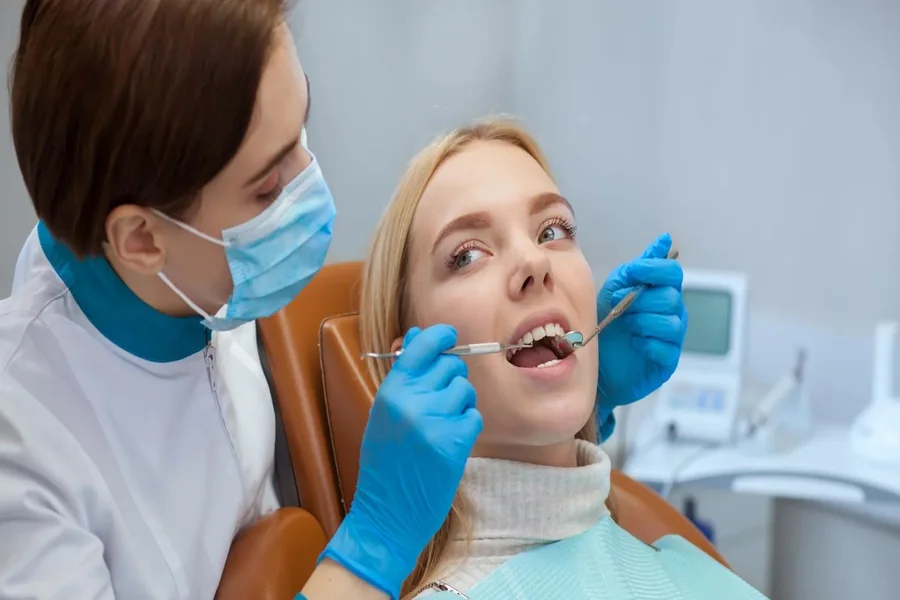
A routine visit often follows a steady pattern. Aesthetic steps fold into that pattern without rushing you.
- You share concerns on the forms or with staff.
- The hygienist cleans your teeth and points out stains or plaque.
- The dentist checks for decay, gum disease, and oral cancer.
- Only after that, you talk about color, shape, and small fixes.
Sometimes a dentist can do quick shaping or bonding right after the exam. Other times you book a short visit on another day. You stay in control. You choose what feels right now and what can wait.
Comparing common aesthetic options in family care
You can use a simple snapshot to think through your choices. This table shows a general guide. Your own dentist will give exact advice for your mouth.
| Option | Typical purpose | Time needed | Lasts about | Often done during routine visit |
|---|---|---|---|---|
| Whitening (in office) | Lighten overall tooth color | 60 to 90 minutes | 1 to 3 years with care | Sometimes |
| Whitening (take home trays) | Gradual lightening at home | Short visit plus home use | 1 to 3 years with care | Yes |
| Tooth colored filling | Treat decay and match tooth color | 20 to 60 minutes | 5 or more years | Yes |
| Bonding | Fix chips and small gaps | 30 to 60 minutes per tooth | 3 to 10 years | Yes |
| Shaping or contouring | Smooth rough or uneven edges | 15 to 30 minutes | Permanent change | Yes |
The National Institute of Dental and Craniofacial Research explains that early repair of small problems can reduce the need for larger treatment later.
Questions to ask during your appointment
You do not need to wait for your dentist to bring up appearance. You can start the talk with a few direct questions.
- What is the main health issue you see in my mouth today
- Are there small changes that could also improve how my teeth look
- Which options protect my teeth and which are only for appearance
- How long will each option last and what care will it need
- What will my insurance cover and what will be out of pocket
Clear questions help your dentist match the plan to your goals. You avoid surprise costs. You also avoid treatments that you do not want.
Helping children understand aesthetic choices
Children often notice stains, chips, or crooked teeth and may feel hurt by comments at school. A family dentist can speak in plain words that fit a child’s age.
- For young children, the focus stays on clean and strong teeth.
- For teens, the talk can include whitening, braces, or clear aligners.
- For all ages, the message stays kind. Every smile is unique. Care is about health and comfort.
You can support your child by asking the dentist to explain what will happen step by step. You can also decide together which changes matter now and which can wait.
Balancing cost, comfort, and confidence
Aesthetic work is personal. You weigh three things each time.
- Cost. Ask for a written plan and staged options.
- Comfort. Share fears about shots, drills, or sounds. Many changes are minor and need little numbing.
- Confidence. Picture how you want to feel when you smile, speak, or meet someone new.
You deserve honest facts about risks, benefits, and upkeep. You also deserve respect for your limits. A good family dentist moves at your pace so each visit builds trust and steady change.