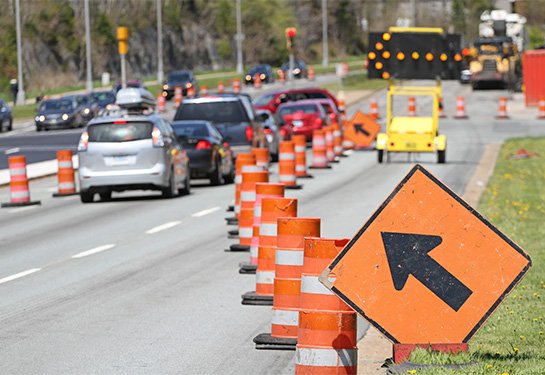
Navigating Denver’s roads becomes even more hazardous when construction zones create sudden lane shifts, uneven surfaces, and confusing detours. A car accident lawyer in Denver knows these conditions increase the risk of crashes, especially when drivers or construction crews fail to follow safety protocols. Understanding who is liable in these accidents can be complex, as multiple parties—contractors and government agencies—may share responsibility.
The Impact of Construction Zones on Driving Conditions in Denver
Increased Traffic Congestion
Construction zones in Denver significantly impact traffic flow, often leading to bottlenecks and delays. As lanes narrow or close, vehicles funnel into reduced space, causing slowdowns and backups. This congestion can extend beyond the immediate work area, affecting surrounding streets and highways. You may spend more time in traffic, leading to frustration and potentially unsafe driving behaviors.
Altered Road Layouts and Unfamiliar Routes
Construction often necessitates temporary changes to road layouts, including detours, lane shifts, and modified intersections. These alterations can be confusing, especially if you’re accustomed to a particular route.
You might encounter unexpected turns, merges, or exits, requiring heightened attention and quick decision-making. Unfamiliarity with these changes can increase the risk of accidents, particularly if drivers fail to follow posted signage or navigate new traffic patterns cautiously.
Common Hazards in Denver Construction Zones
Shifting Traffic Patterns
Denver construction zones often require sudden lane changes or merges, creating confusion for drivers. These abrupt shifts can lead to unexpected stops, increasing the risk of rear-end collisions. Stay alert for temporary road markings and follow posted signs carefully to safely navigate these altered traffic flows.
Uneven Road Surfaces
You may encounter rough or uneven pavement as crews work on road improvements. These conditions can cause a loss of vehicle control, especially at higher speeds. Be prepared for bumps, dips, and loose gravel that may affect your vehicle’s handling. Reduce your speed and maintain a safe following distance to mitigate these risks.
Limited Visibility
Construction equipment, barriers, and temporary structures can obstruct your view of the road ahead and other vehicles. This reduced visibility is particularly dangerous during Denver’s frequent weather changes. Always use your headlights in work zones and be extra cautious when changing lanes or merging.
Debris and Falling Objects
Active construction sites often generate debris that can end up on the roadway. Watch for loose materials like gravel, nails, or larger objects that could damage your vehicle or cause accidents. Additionally, be aware of the potential for falling objects from overhead work, especially when passing under bridges or near tall structures.
Tips for Driving Defensively in Denver Construction Zones
Stay Alert and Reduce Speed
When approaching construction zones in Denver, heighten your awareness and slow down. Reduced speed limits are often in place to protect both workers and drivers. Be prepared for sudden stops or lane shifts, as traffic patterns can change quickly in these areas. Always obey posted speed limits and watch for flaggers directing traffic.
Maintain a Safe Following Distance
Increase your following distance in construction zones. This extra space provides more time to react to unexpected obstacles or sudden braking. A good rule of thumb is to leave at least a 4-second gap between your vehicle and the one ahead. This buffer can be crucial in preventing rear-end collisions, which are common in work zones.
Plan and Expect Delays
Before setting out, check local traffic reports for construction updates. Allow extra time for your journey, as delays are common in work zones. Consider alternative routes if possible. By planning, you’ll reduce stress and the temptation to speed or make risky maneuvers to compensate for lost time.
Be Mindful of Workers and Equipment
Always be on the lookout for workers and construction equipment. These can appear suddenly, even in areas where you might not expect them. Pay attention to signs indicating worker presence and be prepared to stop if necessary. Remember, construction zones are workplaces for many people, and their safety depends on your attentiveness.
Final Thoughts
Roadwork is essential, but poorly managed construction zones put drivers at risk. If you’ve been involved in an accident caused by unsafe road conditions, consulting a car accident lawyer in Denver can help you determine your legal options. Holding the right parties accountable can prevent future accidents and ensure you receive the compensation you deserve.