Introduction
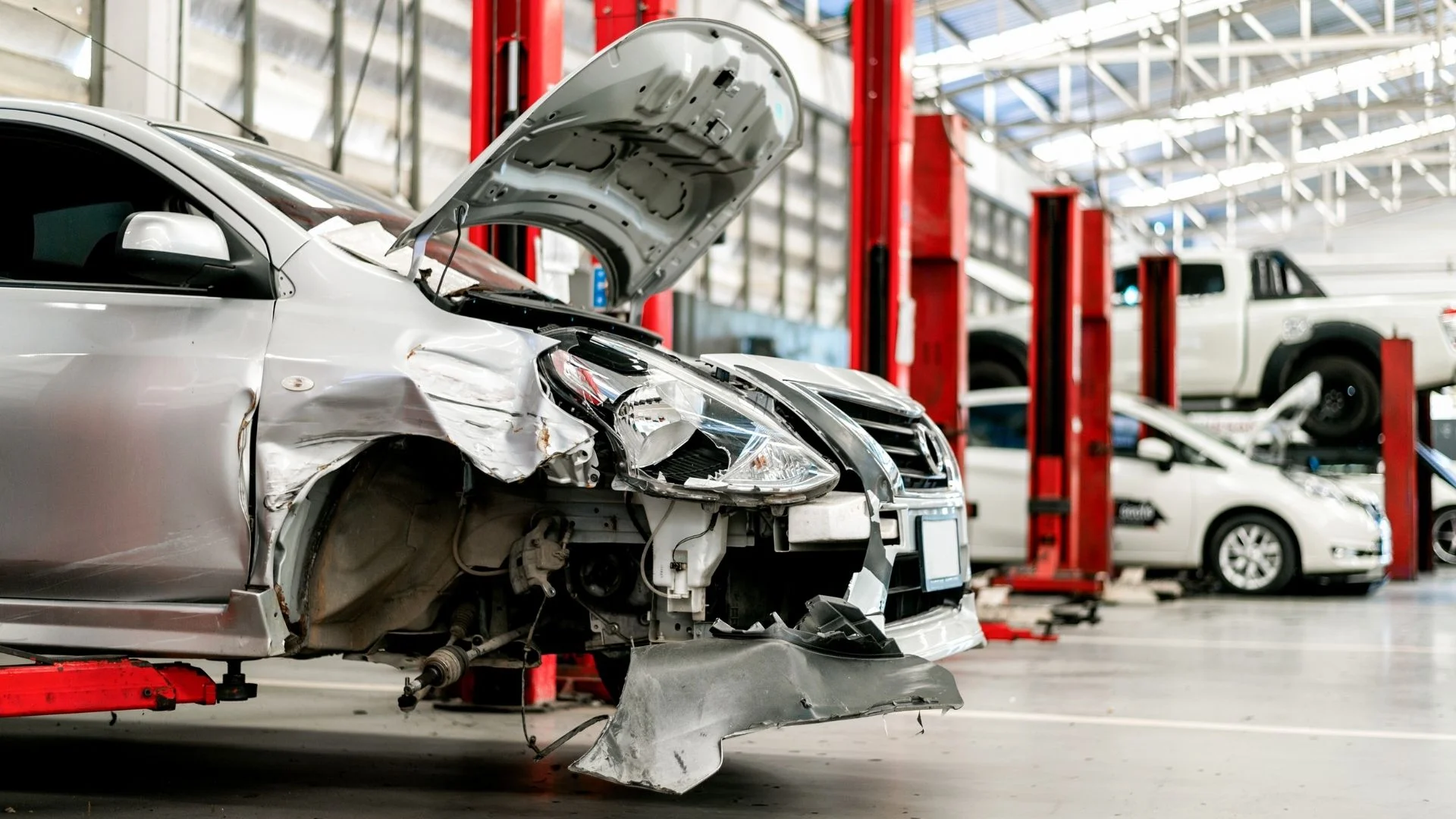
After a serious car accident, the damage you can see is often only part of the problem. Beneath bent panels and cracked bumpers, a vehicle’s frame or structural components may also be affected. This type of damage is critical because the frame is the foundation of your car. If it is not repaired correctly, the vehicle may never drive the same way again or protect passengers as it should. That is why professional collision repair shops focus so carefully on frame and structural repairs.
Trusted collision repair shops, like those featured on collision repair, combine experience, advanced tools, and proven repair methods to restore vehicles safely. These shops do much more than make a car look good on the outside. They work to bring the vehicle back to factory standards, ensuring strength, alignment, and safety. Understanding how collision repair shops handle frame and structural damage can help you feel more confident when choosing the right shop after an accident.
Understanding Frame and Structural Damage
Frame and structural damage happens when the force of a collision impacts the vehicle’s core support system. In older vehicles, this usually means damage to a full steel frame, while modern cars often have unibody structures where the frame and body are integrated. Even a small shift in these components can affect steering, braking, and overall handling, making proper repair essential.
Collision repair shops are trained to identify both obvious and hidden structural problems. Some damage cannot be seen with the naked eye, yet it can still weaken the vehicle. That is why professional technicians rely on measurements, repair standards, and manufacturer guidelines to fully understand the extent of the damage before starting repairs.
Initial Inspection and Damage Assessment
The first step collision repair shops take is a detailed inspection of the vehicle. This process begins with a visual check but quickly moves to more advanced evaluation methods. Technicians look for signs like uneven panel gaps, misaligned wheels, or doors that do not close properly, which can point to frame issues.
Modern collision repair shops use computerized measuring systems to compare the vehicle’s structure to factory specifications. These systems can detect even tiny deviations in alignment. By creating a complete damage report, the shop ensures that no structural problem is overlooked and that the repair plan addresses both safety and performance.
Advanced Frame Measuring Technology
Accurate measurements are the backbone of proper frame repair. Collision repair shops rely on advanced frame measuring technology that uses lasers or digital sensors to map the vehicle’s structure. This data-driven approach allows technicians to see exactly where the frame has shifted and by how much.
With this precise information, collision repair shops can develop a clear repair strategy. The goal is not guesswork but accuracy. By following manufacturer measurements, shops ensure that the vehicle will be restored to its original design, which helps maintain safety systems like airbags and crumple zones.
Frame Straightening and Structural Repairs
Once measurements are complete, collision repair shops move on to frame straightening. This process involves specialized equipment designed to gently pull the frame back into its correct position. Technicians apply controlled force at specific points, carefully reshaping the structure without causing further damage.
Structural repairs may also include replacing damaged sections with new, manufacturer-approved parts. Collision repair shops follow strict procedures to ensure welds, reinforcements, and connections meet safety standards. This careful work helps restore the vehicle’s strength and ensures it can handle future road stresses properly.
Quality Control and Safety Checks
After structural repairs are finished, collision repair shops do not simply return the car to the customer. Quality control is a critical step in the process. Technicians re-measure the frame to confirm it matches factory specifications and verify that all repairs meet industry standards.
Safety checks are also performed to ensure the vehicle drives correctly and responds as expected. Collision repair shops may test steering alignment, suspension performance, and overall handling. This attention to detail reflects the experience and authority that reliable shops bring to every repair.
Why Professional Collision Repair Shops Matter
Choosing professional collision repair shops is essential when dealing with frame and structural damage. These repairs require skill, training, and specialized equipment that general mechanics or low-quality shops may not have. A poorly repaired frame can reduce vehicle value and compromise safety in future accidents.
Websites like collision repair help drivers find knowledgeable collision repair shops that prioritize quality and safety. By trusting experienced professionals, vehicle owners can feel confident that their car is not only repaired but restored to a safe and reliable condition that meets industry and manufacturer standards.
Conclusion
Frame and structural damage is one of the most serious issues a vehicle can face after a collision, and it requires expert attention. Professional collision repair shops use detailed inspections, advanced measuring tools, precise straightening techniques, and strict quality control to restore vehicles safely. By understanding how these shops handle structural repairs, drivers can make informed decisions and choose trusted professionals who put safety first. When repaired correctly by skilled collision repair shops, a vehicle can return to the road with its strength, performance, and protection fully restored.