Key Takeaways
- Background checks are essential for verifying candidate credentials and ensuring workplace safety.
- Technological advancements, such as AI and machine learning, are revolutionizing the efficiency and accuracy of background screenings.
- Employers must navigate evolving legal landscapes, including “Ban the Box” laws and data privacy regulations.
- Continuous monitoring and social media screenings are emerging trends in the background check process.
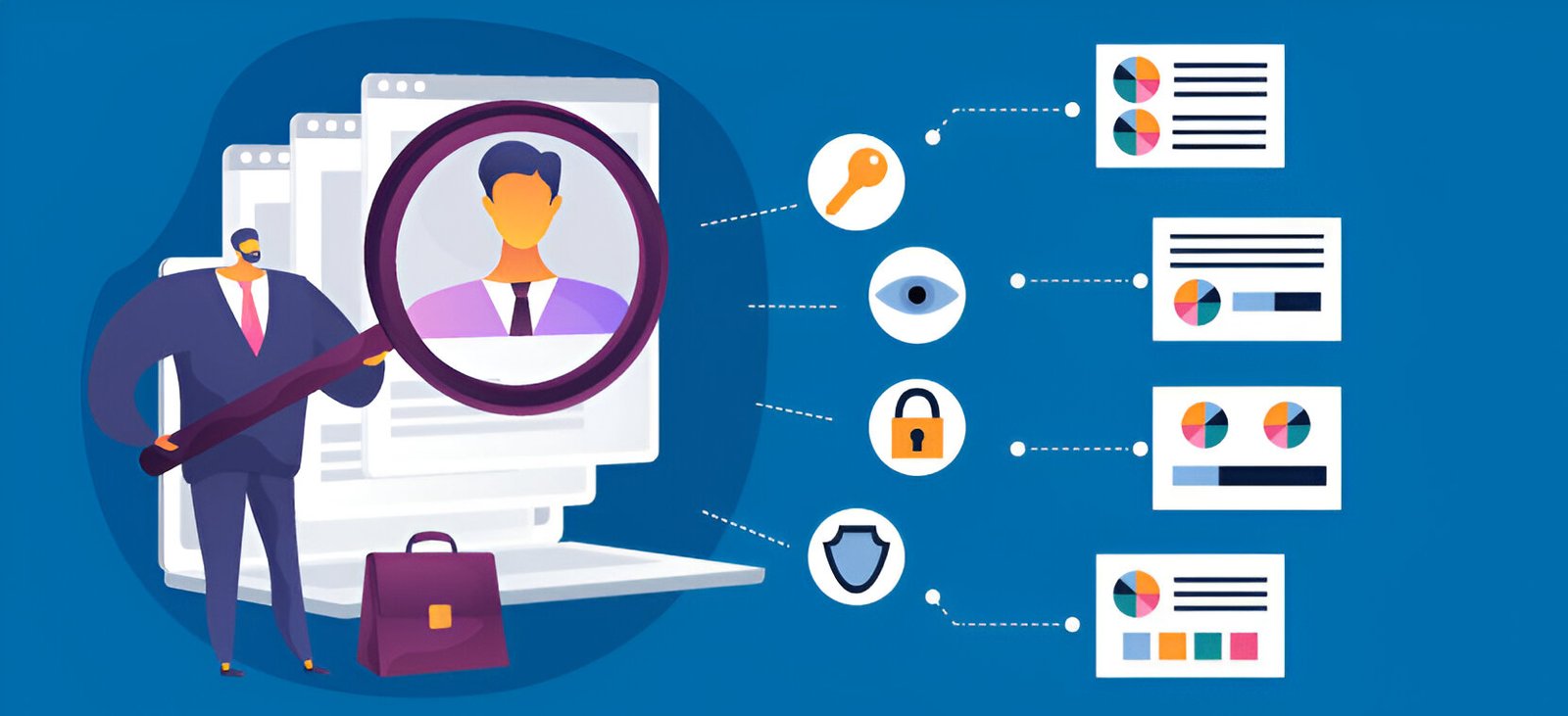
In today’s highly competitive job market, the importance of robust background checks cannot be overstated. Employers, regardless of size or industry, face increasing pressure to make well-informed hiring decisions that go beyond simply assessing a candidate’s resume and professional experience. There are concerns around maintaining organizational safety, protecting existing staff, and safeguarding confidential data, all of which make careful screening more crucial than ever. Background checks serve as one of the most reliable tools for vetting potential employees, helping companies validate experience, assess the truthfulness of credentials, and ensure overall integrity. Learn more about modern screening solutions that are transforming hiring protocols for businesses and organizations across a variety of sectors.
Comprehensive background screening processes not only help uncover potential red flags—such as undisclosed criminal records, discrepancies in education, or prior workplace issues—but also create a transparent foundation for trust between employers and candidates. Especially in critical sectors such as finance, healthcare, education, and childcare, background checks are often more than a recommendation—they are a mandatory part of compliance with both legal requirements and industry standards. For employers striving to develop high-caliber, trustworthy teams, understanding the depth, scope, and evolving best practices in background checking is integral to creating a compliant, safe, and thriving work environment that benefits everyone involved.
The Importance of Background Checks
Background checks offer multifaceted benefits in the modern hiring process. First and foremost, they provide verification of a candidate’s stated qualifications and employment history, serving as a safeguard against fraudulent claims or dishonesty that could otherwise undermine a business. This protective layer reduces the risks tied to negligent hiring, which can lead not only to legal liabilities but also to lost productivity or workplace incidents that harm morale. In industries dealing with vulnerable populations or highly sensitive data, the consequences of hiring someone under false pretenses can be severe, making thorough screenings non-negotiable.
Furthermore, background screenings can reveal important information about a candidate’s criminal history or financial irregularities, details that may affect their suitability for roles of significant responsibility or trust. For example, organizations in banking or finance must rigorously check for past financial misconduct, ensuring candidate integrity before granting access to substantial assets or client funds. This proactive approach does more than simply fill vacancies; it creates a safer, more transparent workplace and fosters a culture in which both employees and clients feel valued and protected.
Technological Advancements in Screening
The digital transformation of background checks has accelerated dramatically over the past decade, propelled by advances in artificial intelligence (AI) and machine learning. These new technologies have revolutionized the way screenings are conducted, driving enormous gains in both accuracy and efficiency. AI-driven algorithms can process and evaluate vast data sets in a fraction of the time required by manual reviews, pulling information from criminal databases, employment records, education archives, and international watchlists. Notably, AI can flag inconsistencies or patterns of concern that might be impossible for a human recruiter to spot on their own, helping employers identify potential risks with unparalleled speed.
In addition to AI-based analysis, biometric verification methods such as fingerprinting and facial recognition are becoming increasingly mainstream within the background check process. These technologies add an additional layer of security to identity verification, reducing the risks of fraud or mistaken identity. They also streamline onboarding, as candidates can now verify their identities through digital platforms rather than in-person paperwork. While these digital innovations boost efficiency, they also require employers to stay up to date with evolving compliance and privacy standards, as new technology can introduce fresh regulatory responsibilities.
Legal Considerations and Compliance
As background checks become more prevalent, organizations must remain vigilant about legal compliance throughout the process. One of the most significant developments in recent years has been the “Ban the Box” movement, an initiative that restricts when and how employers can inquire about criminal history. The aim is to prevent discrimination and offer fair opportunities to individuals with prior convictions, allowing them to be considered based on skills and experience, rather than past mistakes. Many jurisdictions have adopted “Ban the Box” laws, and non-compliance can result in substantial legal consequences—including lawsuits and reputational harm that can impact a company for years. Learn more about the specifics of “Ban the Box” laws and their implications for both employers and job seekers.
Another area drawing considerable attention is data privacy. Laws such as the General Data Protection Regulation (GDPR) in Europe have imposed stringent rules on how personal information is collected, processed, and stored throughout the hiring lifecycle. Companies are now obligated to obtain clear consent from candidates before conducting checks, maintain transparency regarding how information will be used, and offer candidates the ability to review and dispute any data found about them. Adherence to these regulations is not optional, as violations can result in severe financial penalties or loss of public trust.
Continuous Monitoring: A Proactive Approach
The traditional model of conducting a one-time background check during onboarding is quickly evolving into a model that emphasizes ongoing monitoring. Continuous background checks are designed to alert employers to new developments—such as pending criminal cases, financial red flags, or changes to licensing status—throughout an employee’s tenure. This is particularly critical in industries where an individual’s status or risk profile might change quickly, such as transportation, healthcare, or finance.
With real-time updates and automated alerts, organizations can respond proactively to emerging concerns and maintain a consistent standard of safety and compliance among their staff. For example, if an employee obtains a criminal conviction while working in a sensitive role, continuous monitoring ensures the organization is informed quickly, allowing for swift and responsible action to minimize risk and fulfill legal obligations.
Social Media Screenings: A Double-Edged Sword
Employers are increasingly turning to social media as part of the background check process, hoping to gain additional insights into a candidate’s personality, values, and behavior outside the traditional resume or interview context. Social media profiles can offer a glimpse into how candidates present themselves, whether they demonstrate professionalism online, or if there are indicators of conduct that might contradict company values. However, social media screening brings its own array of complex ethical and legal challenges. Information gleaned from personal profiles can be misinterpreted, and there is a real risk of infringing on privacy or falling foul of anti-discrimination laws if reviews are not conducted consistently and fairly.
To mitigate these risks, best practices recommend that employers establish clear, written guidelines for social media screening, ensure only job-relevant information influences hiring decisions, and keep candidate privacy front and center at all times. When used thoughtfully, social media checks can complement traditional background investigations and contribute a richer understanding of a candidate, provided that HR teams proceed cautiously and fairly.
Balancing Efficiency and Fairness
Technological innovation within background checking unlocks substantial efficiencies and increases accuracy, reducing time-to-hire and allowing teams to focus on building relationships with outstanding candidates. Nevertheless, there is an ongoing need to balance these promising capabilities with human judgment and empathetic hiring approaches. Too much reliance on automation introduces the risk of perpetuating historical patterns of bias within data, or missing contextual details that only a person might interpret correctly.
The most effective hiring strategies combine sophisticated tools with the insights and oversight of trained professionals, ensuring background checks are fast, fair, and meaningful. By respecting the rights of job seekers and upholding ethical standards, organizations can protect both themselves and the dignity of every candidate.
Conclusion
As the landscape of hiring adapts to ongoing technological, legal, and cultural shifts, the role of comprehensive background checks has never been more vital. Employers who make the effort to stay informed, adapt to new regulations, and employ best practices are best positioned to build resilient, trustworthy teams capable of driving long-term success. In the years ahead, the organizations that combine cutting-edge technology, evolving legal standards, and a genuine commitment to ethical hiring will establish new benchmarks for workplace security, compliance, and mutual trust throughout the employment journey.