If you’ve ever tried ordering uniforms for a school, club, or community league, you probably know the feeling: you budget for 20 jerseys and somehow end up paying like you bought 50. Minimum order rules, setup fees nobody mentioned, and delivery delays can turn a straightforward task into a budget nightmare.
Managers and coaches everywhere run into the same wall—sponsors want visibility, players want professional gear, but the money rarely stretches far enough. Even something small, like a sponsor updating its logo mid-season or a late roster change, can add hundreds of dollars to the bill. And if you’re dealing with retail suppliers or middlemen, the costs and delays only multiply.
This is where the B2B approach comes in. By working directly with manufacturers, teams can order custom basketball jerseys B2B—gear that fits their needs without wasting cash on extras or waiting weeks for delivery. Here’s how that shift can cut real costs.
The Hidden Traps of Buying Jerseys the Old Way
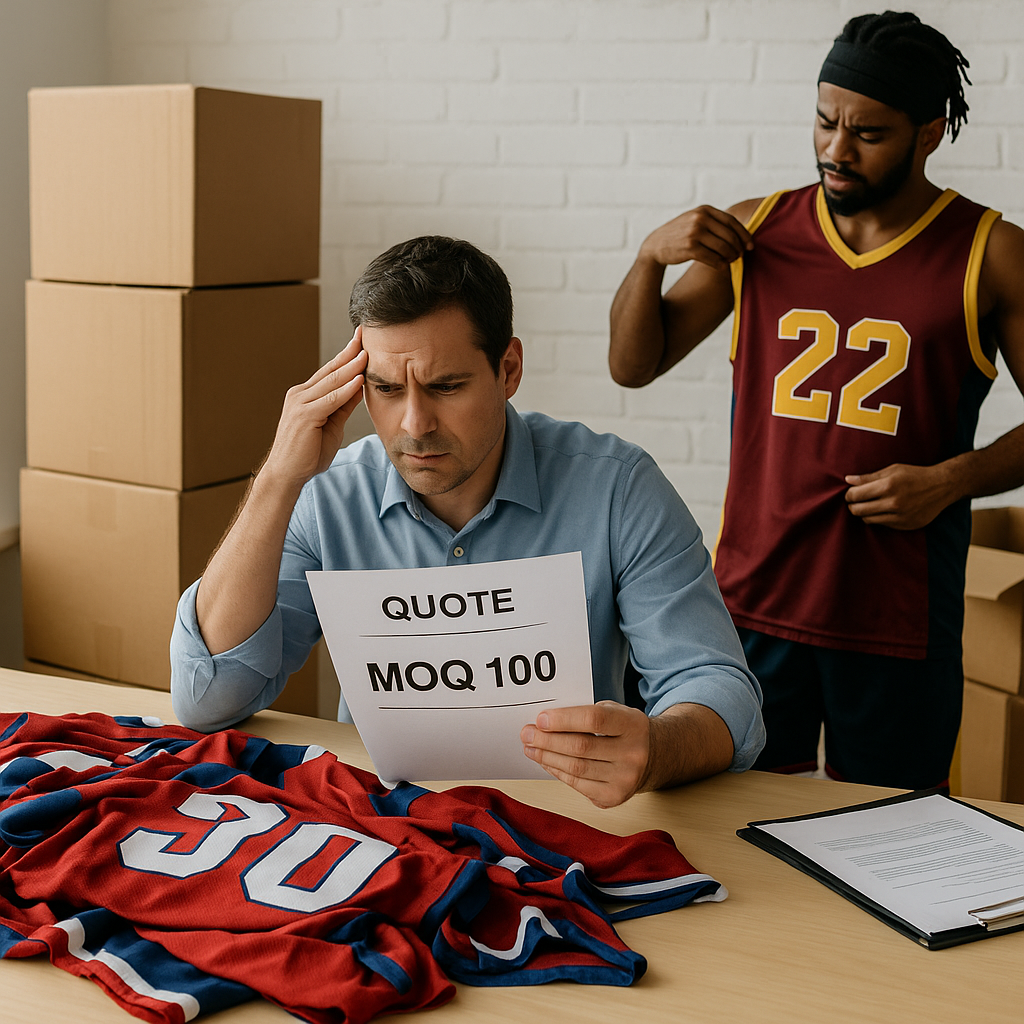
Why High MOQs Force Teams to Overpay
Plenty of vendors won’t even start production unless you order 100 jerseys. But if your squad only needs 25? That’s 75 wasted pieces collecting dust—and wasted budget.
The Extra Fees Nobody Mentions
Retail suppliers often charge for every little thing: setting up designs, adjusting colors, even changing a single digit on a jersey. A $30 jersey quickly becomes $45 by the time the invoice lands.
Late Deliveries That Derail Seasons
Sports don’t pause for suppliers. A two-week delay might not sound huge on paper, but when your season kicks off, late uniforms can throw off your whole launch. Players end up in mismatched practice gear while the “real” jerseys crawl through customs.
Retail Prices That Never Scale
In shops, each jersey is priced as if it’s a one-off purchase. Whether you order 20 or 200, the cost per piece barely shifts, and you miss out on the economies of scale that should make bulk orders cheaper.
Why custom basketball jerseys B2B Save More Than You Expect
Order What You Actually Need
If you want 28 jerseys, you can get 28. No more paying for boxes of extras that never see the court.
Bulk Pricing That Works in Your Favor
With scaled pricing, the per-unit cost drops as your order grows. Even modest clubs see benefits retail shops simply can’t match.
Customization Without Middleman Markups
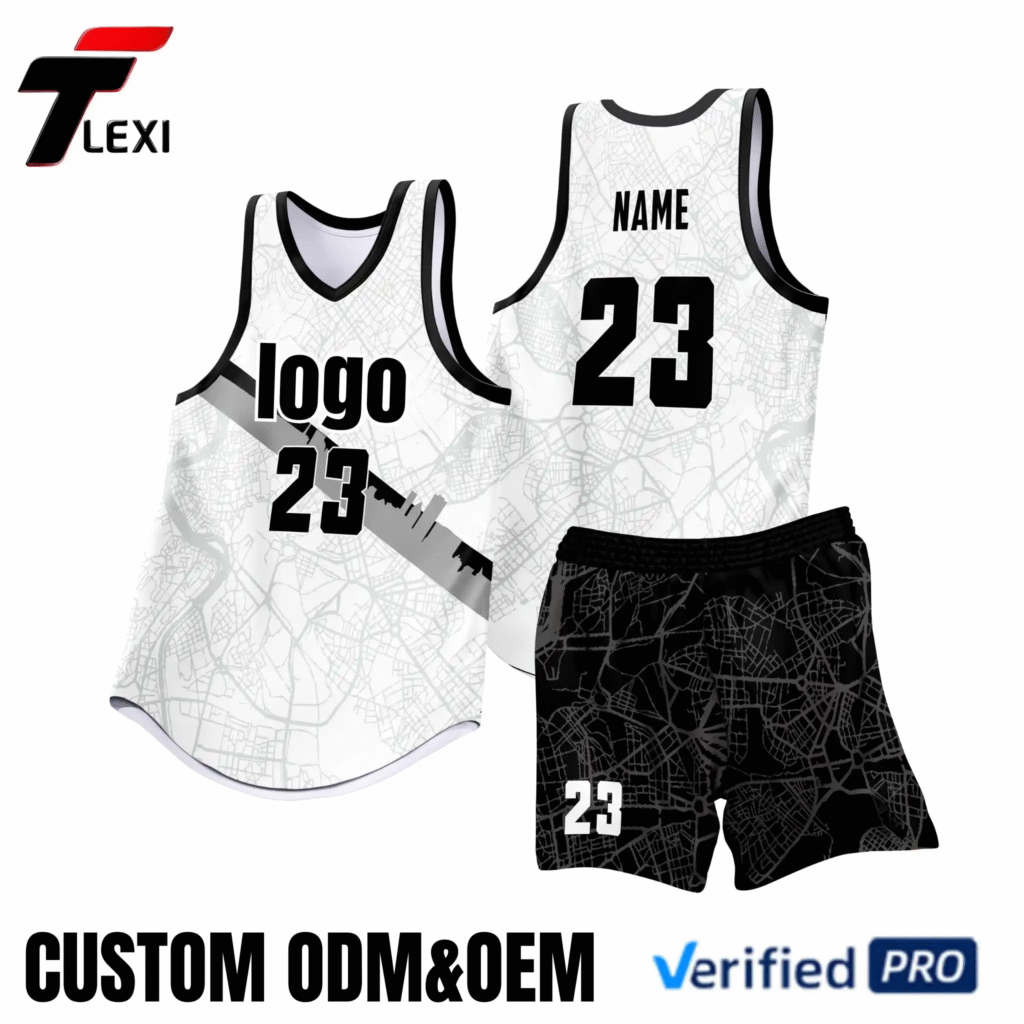
When logos, numbering, and colors are managed directly by professionals in custom basketball jerseys B2B, the work gets done faster and without extra “processing” charges.
Durability That Pays for Itself
Better fabrics and sublimation techniques mean jerseys last through more games and more washes. Instead of replacing them every season, you’re saving by stretching gear across multiple years.
Customization Without the Price Shock
Digital Mockups Reduce Risk
Instead of waiting for multiple physical samples, teams can sign off on detailed online previews. It’s faster, cheaper, and helps avoid the pain of discovering an error after 100 jerseys are printed.
Changes Without Penalty Fees
A sponsor tweaks its logo, or a new player joins late? In the old model, that might mean fresh setup costs. In B2B, it often means a simple file update—with no added bill.
Wholesale and Custom Can Work Together
The biggest misconception is that bulk discounts disappear if you go custom. In reality, manufacturers specializing in sports team apparel wholesale let you combine both. You still get the price advantage of wholesale while tailoring uniforms to your team’s exact needs.
Scaling Smart: From 20 Jerseys to 200
Bigger Orders, Lower Unit Costs
A team paying $38 per jersey for 30 units might pay just $28 each if they ramp up to 150. That difference—over a few seasons—can fund new equipment or travel.
Consistency Across Every Order
Nothing looks worse than mismatched uniforms from year to year. B2B partners keep fabrics, colors, and design details identical across new and repeat orders.
Planning Growth Without Wasting Budget
Switching suppliers mid-growth can mean inconsistent gear and more wasted money. Partnering with a supplier who can grow with you saves both time and cash.
Overlooked Savings That Add Up Fast
Shipping That Doesn’t Break the Budget
Consolidated orders mean fewer shipments, lower freight rates, and more predictable delivery. Teams often save 10–15% a season just on logistics.
Less Wasted Time on Returns
Better quality control means fewer mismatched sizes or botched prints. That translates into fewer returns, fewer shipping fees, and less stress.
Healthier Cash Flow
Instead of stockpiling gear that might never get used, teams order what they need, when they need it. The freed-up budget can go straight back into training or facilities.
Multi-Season Discounts
Commit to multi-year partnerships, and many suppliers lock in discounts or stable pricing. That stability shields teams from seasonal spikes and surprises.
A Cost-Saving Checklist Every Team Should Use
When the proposals start rolling in, it’s easy to lose track of what matters. Here’s a simple checklist to keep your decision grounded:
- Am I forced into buying extras, or can I order exactly what I need?
- Are design tweaks and numbering included, or do they carry hidden setup fees?
- What’s the guaranteed delivery time—and how often have they actually met it?
- Is the quoted price all-in, or will shipping and packaging come as add-ons?
- Can this supplier grow with us if our team doubles or triples in size?
If a supplier dodges or hesitates on even one of these, that’s your warning sign. Today’s vague answer could become tomorrow’s budget problem.
Turning Jerseys From a Cost Center Into a Smart Investment
Uniforms aren’t just clothing—they’re a statement of identity, a sponsor’s showcase, and a reflection of professionalism. That’s why choosing a supplier is more than a simple purchase; it’s a strategic call.
The retail model leaves teams paying for wasted extras, dealing with hidden charges, and stressing over delays. The B2B approach changes the rules: flexible orders, wholesale pricing with custom options, better quality, and fewer financial shocks.
So when you’re weighing proposals, don’t just compare the numbers on the invoice. Test suppliers against the checklist. Ask yourself: will this partner keep my team looking sharp and my budget under control, not just this season but the next?
If the answer is yes, you’re not just buying uniforms—you’re making a long-term investment in your team’s future success.