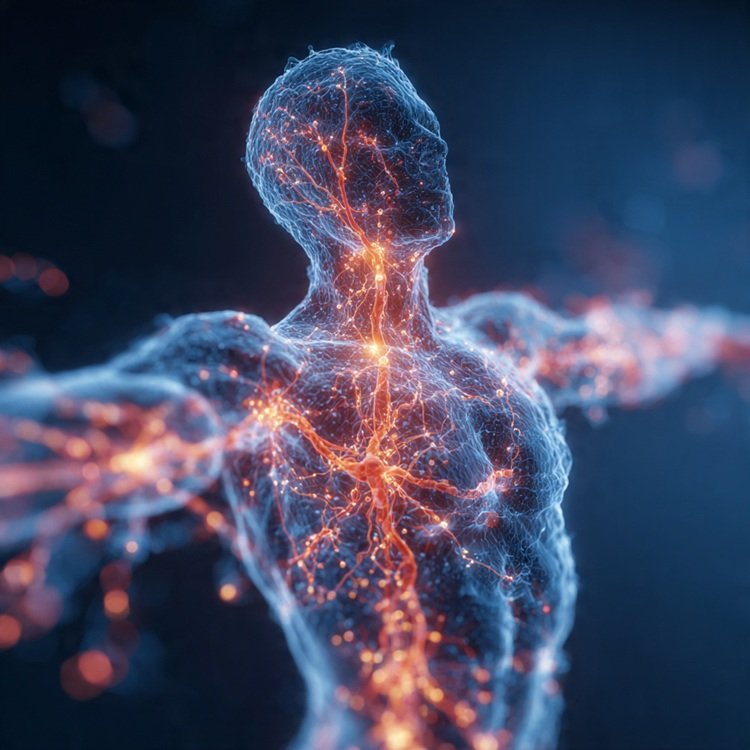
Human body is a work of co-ordination, balance and constant adaptation. The focal point of such internal harmony is the endocrine system- a system of glands that secrete hormones to control virtually every important activity you can think of. Hormones are silent messengers that help keep your body running well, whether it is your energy consumption speed or your reaction to a threat, and even the development of your body to the way you sperm. These messengers have their action with very strong accuracy and even the minimal disproportion of them is capable of affecting physical, emotional and mental health. It is thus important to understand how the importance of hormones to our health as it is only when we recognize how reliant we are on these potent biological cues.
Regulation of hormones is not that of a single gland or even a single hormone. Rather the body is a well-coordinated mechanism where information is emitted, authenticated and regulated by the feedback mechanisms that sustain the body in equilibrium. Your endocrine system will always be changing in response to your surroundings whether you are awake or sleeping, active or stressed, or resting. This paper will examine how exactly hormones regulate growth, metabolism, reproduction, and the response to stress with the examples of insulin, thyroid hormones, and adrenaline.
To start learning more about how hormones operate, it is worthwhile to learn more about this useful resource first:
Understanding Hormones as Chemical Messengers
Hormones are chemical compounds that are formed by the endocrine glands and discharged into the blood. When set free they move to target organs or tissues and cause certain responses. The precision of the messaging of the hormones is what makes them extraordinary. All the hormones are keys, only they have different keys to fit only in certain receptor or lock. After the key is combined with the properly fitting lock, it sets into action modifications that control body functions.
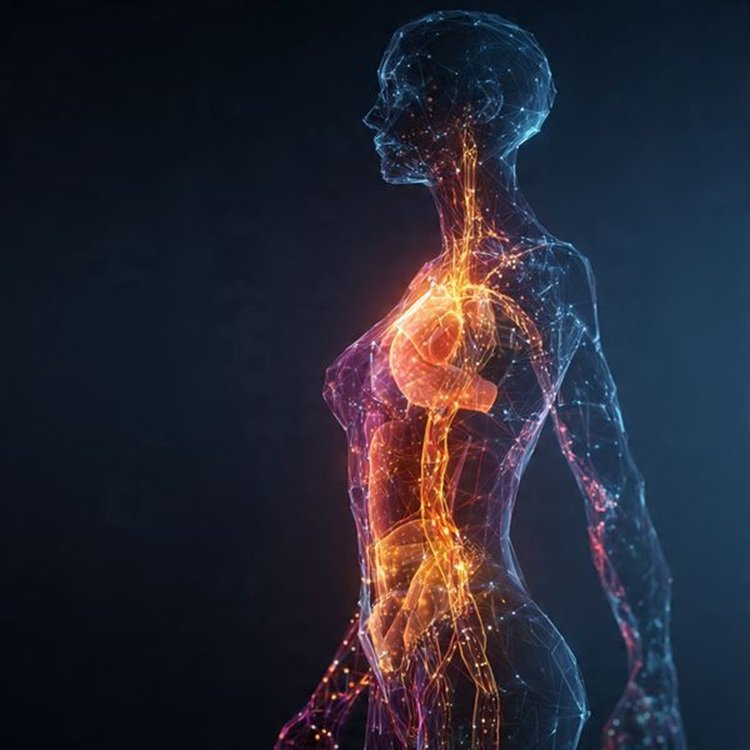
Imagine that this system is the communications system of the body–as wireless signaling of processes without wires. Hypothalamus, pituitary gland, pancreas, adrenal glands, thyroid and reproductive organs are all part of this interrelated system. This is because in combination they form a state of stability called homeostasis which keeps everything stable despite the changes in the external environment.
Hormones and Growth: Building the Foundation of Life
Growth Hormone and Development
Bone development, Muscle building, Tissue repair, and general body growth are caused by growth hormone (GH), a hormone that is produced by the pituitary gland. This is because GH levels are very high during childhood and adolescence and stimulates the rapid development of the body. In adults, GH still remains useful in metabolism and maintenance in tissues.
GH imbalances may be of great concern. Annual surplus of GH in children causes gigantism whereas inadequate intake may cause stunted growth. Alterations in adults result in the syndrome of acromegaly when the bone grows massive in hands, feet, and facial features.
Thyroid Hormones and Their Role in Growth
Thyroid hormones as triiodothyronine (T3) and thyroxine (T4) are also involved in growth as they regulate the rate at which cells utilize energy. Inadequate thyroid hormone in kids may retard their growth and development of the brain. This is the reason why newborns are regularly tested on congenital hypothyroidism; early diagnosis will make it possible to intervene in time and avoid irreversible complications.
Hormones and Metabolism: Fueling the Body’s Engine
Hormones are known to play one of the most critical roles in the process of regulating metabolism, which refers to a chain of chemical reactions that generate energy and sustain life. This is caused by several hormones but two of the most effective include insulin and thyroid hormones.
Insulin: The Master Regulator of Blood Sugar
One of the most famous hormones, because of its application in managing diabetes, is insulin which is produced by the pancreas. Its main task is to facilitate the uptake of glucose in the blood by the cells to provide energy. With the normal functioning of insulin, the blood sugar level is maintained, and the cells get the fuel they require.
How Insulin Works
Carbohydrates are broken down to glucose after consumption. The increase of glucose provides an indication to the release of insulin by the pancreas. Insulin then gives a direction to the liver, the muscles and the fat tissues whether to store or use this glucose. When levels decline, then production of insulin reduces.
Insulin Imbalances
- In Type 1 diabetes, insulin deficiency is the most common; furthermore, this condition does not allow the body to regulate the level of sugar in the blood.
- Insulin resistance which is typical of Type 2 diabetes is the inability of the cells to respond to insulin effectively making the pancreas to produce more insulin. With time, the system is overstretched resulting in chronic high blood sugar.
Both disorders demonstrate the importance of insulin to metabolism. Knowing the nearly all the organs’ systems are affected without the proper functioning of insulin, such as eyesight to the circulation of the body and kidney functioning.
Thyroid Hormones and Metabolic Speed
Thyroid hormones dictate the rate at which glucose is utilized in the body whereas the movement of glucose is controlled by insulin. They have an effect on the heart rate, digestion, temperature control, and breaking down of fat.
- Hyperthyroidism (excess T3/T4): Increases the metabolic rate, leading to loss of weight, increased heart rate, anxiety and excessive heating.
- Hypothyroidism (low levels of T3/ T4): The condition slows down metabolism, which causes fatigue, weight gain, coldness and depression.
The thyroid hormones affect almost all body tissues; therefore, their imbalances may resemble a diverse array of health problems. This is the reason why thyroid tests are frequently among the first tests ordered when patients complain about chronic fatigue, mood changes or unaccountable weight changes.
Hormones and Reproduction: Ensuring Continuity of Life
The connection between hormones and reproduction is very strong; it has an impact on fertility, sexual development, pregnancy, and even behavior.
Sex Hormones and Puberty
Sexual maturation is initiated and sustained by the estrogen, progesterone, and testosterone:
- The estrogen influences the functioning of the ovaries and physical development of female bodies.
- The progesterone prepares the body to be pregnant.
- The male reproductive development and muscle building is driven by testosterone.
Losses in these hormones may lead to retarded puberty, infertility, menstrual disturbances or decreased libido.
Reproductive Cycles and Balance
Hormones act in a feedback mechanism in regulating menstrual periods, sperm production and ovulation. For example:
- GnRH is released through the hypothalamus.
- The follicle-stimulating hormone (FSH) and the luteinizing hormone (LH) are produced by the pituitary.
- These induce the testes or the ovaries to secrete their individual hormones.
Minor disruptors in this chain which may involve stress, changes in weight or disease may disorient reproductive health.
Hormones and Stress Response: Managing Fight or Fight
Adrenal glands are located on the top of the kidneys and react to stressful events by secretion of adrenaline (epinephrine) and cortisol.
Adrenaline: Instant Action
Adrenaline is secreted between a few seconds when the brain recognizes the danger. It raises the heart rate, enhances the mental alertness, dilates the airways and redirects the blood to the muscles. This is the archetypal fight-or-flight response.
Imbalance Effects
Although a surge of adrenaline every so often is productive, excessive stimulation, which is difficult to control in long-term stress, may cause:
- Anxiety
- Insomnia
- High blood pressure
- Reduced immunity
This is an indication of how well-meaning hormones can go wrong in excessive production.
Cortisol: The Long Term Stress Manager
Cortisol, in contrast with adrenaline, has a longer duration of work. It balances the level of sugar in blood, decreases inflammation, and balances the level of fluid. Nonetheless, continuous high levels of cortisol may cause weight gain, depressed immune system and mood disorders.
Maintaining Hormonal Balance: Why It Matters
Since hormones regulate a great number of fundamental processes, it is crucial to establish a balance. Hormone levels are influenced by lifestyle, diet, sleep, mental health and physical activity. For example:
- Sleep deprivation interferes with cortisol, insulin and reproductive hormone levels.
- Prolonged stress subverts adrenaline and cortisol.
- The deficiency of nutrients disrupts thyroid and metabolic processes.
The effects of a given hormone are usually far-reaching when it is dysregulated. What is starting as fatigue can be a sign of thyroid imbalance; the mood change can be an indicator of reproductive hormones alteration; constant hungry or thirst can be a sign of insulin problems. By being aware of these trends, people can be able to get care earlier.
Conclusion
Stability, adaptability, and survival are provided by the hormonal control. At birth up to adulthood, hormones determine how we develop, how we utilize energy, how we procreate and how we respond to danger. Their activities are not vocal, but rather effective- they always have an effect on mood, behavior, physical features and vitality.
Greater understanding of the role of hormones brings home the interdependence that the body has. These chemical messengers work in harmony and health prevails. Once they get out of balance, almost all spheres of life may be influenced. The problem of hormonal health, its understanding, and supporting is thus one of the most significant steps toward life-long well-being.