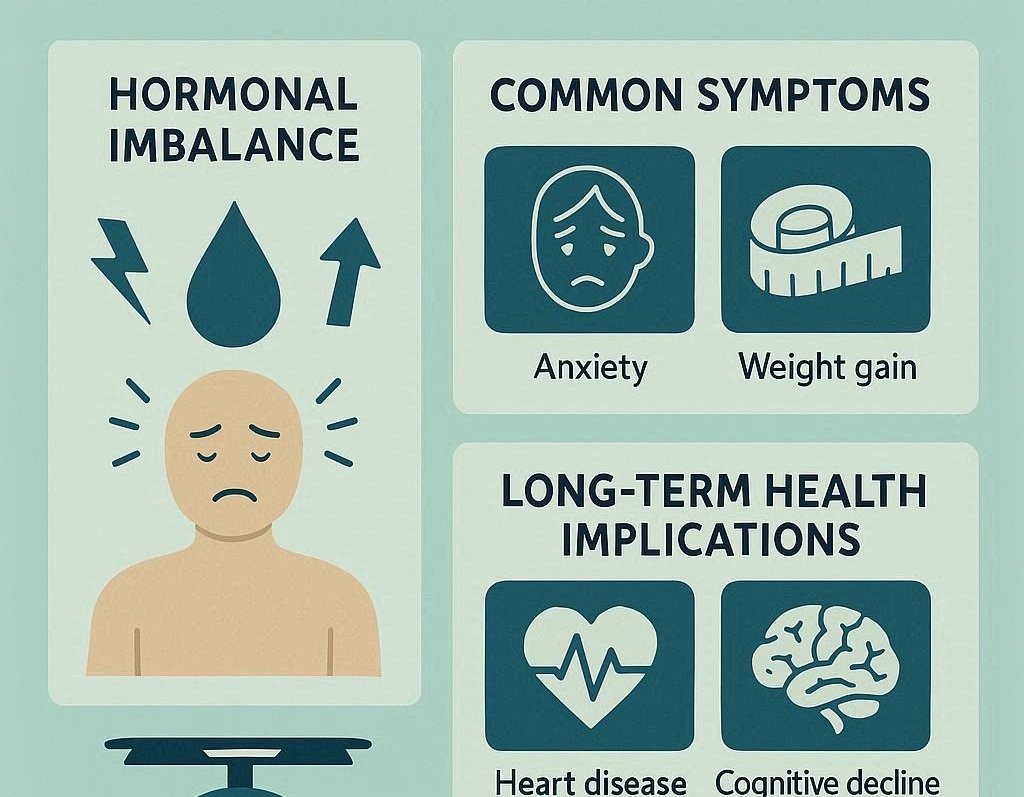
Hormones are strong chemical mediators that control almost all the key processes within the human body. They affect growth, metabolism, mood, reproduction, sleep, and immune effects by transmitting signals of endocrine glands to their respective organs and tissues. The balanced levels of hormones make the body work in a harmonized and effective way. Nevertheless, once the level of hormones is either too low or too high the balance is lost and the result is called hormonal imbalance.
Hormonal imbalance may occur at any age and gender, and the effects may become both mildly uncomfortable and dangerous to health. Due to the slow onset of symptoms and the similarity of other health disorders, hormonal imbalance is usually ignored or confused with other disorders. Learning the common causes hormonal imbalance, its early signs, and the possible pros and cons of its development in the long term is a necessary step to staying healthy.
This article will define the process of hormonal imbalance, the most prevalent causes, the main symptoms, and the health effects that could be experienced in the event of hormonal regulation being impaired.
The Basics of Hormonal Balance and the Endocrine System
The endocrine system is an intricate system of glands whose functions are to produce and emit hormones into the bloodstream. Such glands are hypothalamus, pituitary gland, thyroid, adrenal glands, pancreas, ovaries and testes. All the glands are specific in the hormones that they produce and they control various functions of the body as well as interacting with other hormones to hold a steady balance.
Hormonal balance is the correct regulation of the production, release, transportation, and processes of hormones. Even minor changes in the hormone concentrations may greatly influence the processes in the body. Since hormones are interdependent in the feedback loop, a disproportion in the hormone can provoke changes in others, which increase the effect on health.
With a normal functioning endocrine system, the hormone levels automatically adapt according to the internal and external alterations. Hormone production is affected by stress, illness, physical activity and aging. The trouble sets in when such a self-checking mechanism is derailed and the hormones are then over or under supplied in the long run.
Usual Causes of the Imbalance of Hormones
There is no single cause of hormonal imbalance. Rather it is caused by a combination of numerous external and internal influences that disrupt endocrine functioning. Learning about the usual causes of hormonal imbalance will make people understand what risk factors may be identified and where they can find medical assistance on time.
Chronic stress is one of the most widespread causes. Long term stress stimulates the adrenal glands, resulting in high rates of production of stress hormones like cortisol. The prolonged elevation of cortisol hormones may inhibit the other hormones such as those dealing with reproduction, metabolism and immune systems.
There is also a high role of poor nutrition. Malnutrition and deficiencies in iodine and zinc, magnesium and healthy fatty acids in the diet may impair hormone production. Further impairment of insulin and thyroid hormones may be caused by excesses in the consumption of processed foods, sugar, and unhealthy fats.
Another primary cause is the medical conditions that involve the endocrine glands. Other disorders like hypothyroidism, hyperthyroidism, polycystic ovary syndrome, diabetes and adrenal dysfunction directly affect hormone production. The secretion of hormones may also be compromised with tumors or auto immune diseases of endocrine glands.
There are also some drugs that cause hormonal imbalance. Natural hormone cycles can be manipulated by hormonal contraceptives, steroid drugs and certain antidepressants. Continuous administration of these drugs can lead to loss of control of hormones by the body.
Hormonal disruption can also be caused by lifestyle components like insufficient sleep, physical inactivity and environmental chemicals. The chemicals present in plastics, pesticides, and personal care products can either replicate or inhibit the action of hormones, disrupting the normal endocrine signalling.
Hormonal Imbalance Symptoms
The signs of hormonal imbalance differ according to the type of affected hormones and excess or deficiencies in levels. Since hormones affect various systems, the symptoms tend to be physical, emotional, and cognitive.
One of the most widespread symptoms is fatigue. Hormonal imbalances of thyroid hormones, cortisol, or insulin may disrupt the production of energy resulting in a sustained feeling of fatigue regardless of resting well.
Weight changes can also take place. An imbalance of insulin levels, thyroid hormone levels or cortisol levels can also be the cause of weight gain that cannot be explained or can lead to weight loss problems. On the other hand, high levels of the thyroid hormone can lead to sudden weight loss.
A lot of mood changes are often described. The condition of hormonal imbalance may influence neurotransmitter functions within the brain resulting to anxiety, depression, chagrin, or mood swings. Such emotional shifts can be slow and grow over the duration.
The most apparent symptoms in hormone related diseases are reproductive. Hormonal disturbance in women may be manifested in irregular menstrual cycles, infertility, acne and excessive growth of hair. In men, decreased libido, erectile dysfunction, and loss of muscle can be observed in case of lowered testosterone levels.
Another symptom is sleep disturbances. Melatonin and cortisol are hormones that control the sleep-wake cycles. In case of disruption of these hormones, people may have insomnia, disturb able sleep, or even drowsiness during the day.
Hormonal Disproportion and Metabolic Well-being
Hormones are very fundamental in control of the metabolism that defines how the body transforms food into energy. Insulin, thyroid hormones and cortisol are these especially significance in the process of maintaining metabolism.
Insulin imbalance may cause a rise in blood sugar levels and insulin resistance, which are predisposing factors to diabetes type 2. The imbalances of thyroid hormones may slow down or speed up metabolic rate, which influences the body temperature, digestion, and energy consumption.
In case of metabolism disruption, the body can fail to keep the energy levels stable, resulting in the fatigue and inability to keep the physical activity. In the long run, the dysfunction of metabolism could be a contributor to obesity, cardiovascular disease, and other chronic diseases.
Reproductive and Sexual Health
Normal reproductive functioning requires hormonal balance. The estrogens, progesterone, testosterone, luteinizing, and follicle-stimulating hormones collaborate in controlling the fertility, sexual development and the reproductive cycles.
Hormonal imbalance could disrupt ovulation in women, causing women to experience an irregular period or infertility. Diseases like polycystic ovary syndrome are those that have abnormal hormone levels that cause a disturbance in reproductive health and metabolic activity.
Low levels of testosterone in men can lead to low sperm count, loss of body mass and loss of sex drive. The level of hormonal imbalance can also have an effect on bone density putting one at risk of osteoporosis in old age.
Since reproductive hormones affect mood and energy levels as well, their imbalances can have extensive consequences beyond the fertility factor.
Influence on Psychological and Emotional Health
The body and the brain are closely interconnected. The neurotransmitters that are influenced include serotonin and dopamine that control the mood, motivation, and emotional stability.
High levels of stress hormones can make an individual anxious and unconcentrated. Depressive symptoms can be commonly linked with low thyroid hormone levels, whereas the change in estrogen and progesterone can determine how sensitive a person is.
In the long run, the unchecked hormonal imbalance may lead to chronic stress, impaired cognitive functions and low quality of life. It is a good move to identify emotional symptoms as possible signs of hormonal imbalance on the way to successful management.
Health Outcomes in the Long Term
Hormonal imbalance can result in severe long-term health outcomes when it is not addressed. Continued disruption in metabolism predisposes the cardiovascular disease, diabetes, and complications of obesity.
There are also benefits of bone health. Testosterone and estrogen are some of the hormones that are important in maintaining a bone density. Lack of them can enhance faster bone loss and fracture risk.
Hormonal imbalance leads to chronic inflammation that compromises the body immunity making it vulnerable to infections and sluggish healing of the sick. Aging can also be affected by hormonal imbalance, which impacts the condition of the skin and muscle tone and general energy.
Promoting Lifestyle to Hormonal Health
Even though medical intervention can be applied in certain situations, lifestyle decisions are very important in aiding hormonal balance. Sleep is sufficient to help the body in regulating hormone production and repair of endocrine tissues.
Balanced nutrition is the one that supplies the raw materials needed in hormone production. Whole foods, healthy fats, lean proteins and essential minerals help in endocrine functions.
Exercise enhances sensitivity to insulin, decreases levels of stress hormones, and promotes the overall metabolic wellbeing. Mindfulness and relaxation methods are the stress management practices that can also help to preserve hormonal balance.
Conclusion
Hormonal imbalance is a complicated disease in that it involves various body systems. With the knowledge of hormone functioning, the most frequent reasons behind its imbalance as well as the initial signs, people are able to make reasonable choices regarding their health.
Hormones affect the metabolism, reproduction, mood and risk of long-term diseases. Once the equilibrium is disturbed, the consequences can go way beyond the symptoms on their own. Early education and active life management are very important in maintaining the health of the hormones and the general health.
Such knowledge will enable these people to pursue the right support and be resilient in life.