“I thought owning a home would feel safer. Instead, I feel exposed.” That’s what one new homeowner said after moving into a quiet neighborhood with no front gate, no cameras, and no one watching over them. Just walls and locks. It felt like freedom, but it also felt vulnerable.
If you’re reading this as a new homeowner, maybe that feeling’s creeping up on you, too. You’re not overthinking. Homeownership puts the safety of everything, your space, your people, your peace of mind, in your hands. So let’s not wait for something to happen. Let’s plan for it before it does.
Here’s how to make your home feel safe without the overwhelm.
Design a Home That Prioritizes Safety
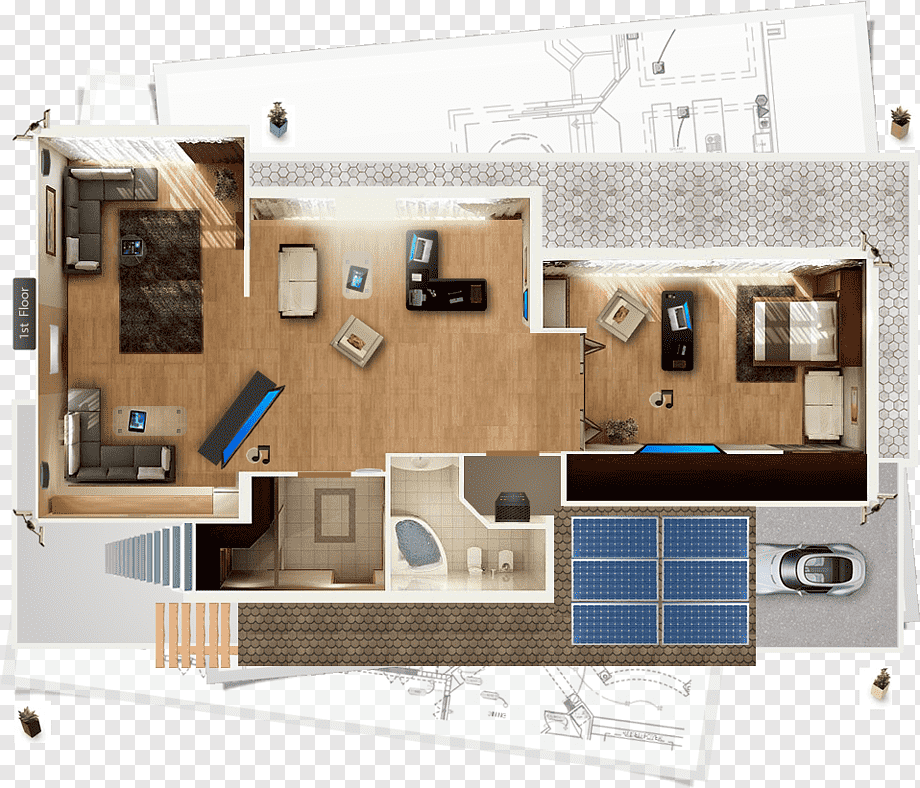
Your home’s layout impacts more than just your furniture placement. It shapes how easy or hard it is for someone to break in or hide.
Start by keeping your entry points well-lit and in plain view from the street. Avoid tall hedges that block windows or provide hiding spots near doors. Choose lighting that triggers with motion. It sends a signal: “Someone’s watching.”
Inside, plan where you store your valuables. Don’t leave boxes labeled “jewelry” or “tech” visible through the window. Keep tools locked up. Make a habit of walking through your home at different times of day and night, imagining how it looks to someone outside. That lens alone can reveal blind spots fast.
Plan for Emergencies and Unexpected Events
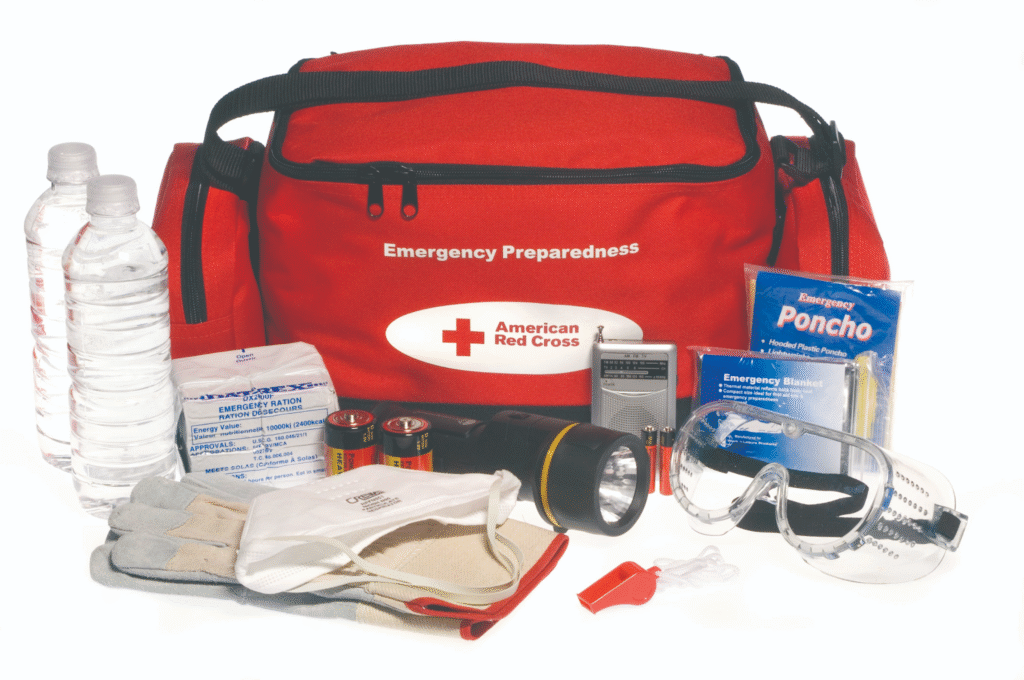
It’s easy to assume the worst won’t happen. Most homeowners don’t prep for fires. storms. break-ins until after they’ve already been through one. Don’t make that mistake.
Instead, start with the basics. Create a list of emergency contacts. Print it. Place it somewhere visible. Make a copy for each adult in the house. Check your smoke and CO detectors monthly. Replace batteries twice a year. Build a simple emergency kit with flashlights, water, first aid supplies, and a power bank.
And this next part might feel strange, but run a “what if” drill. What if the door doesn’t lock one night? What if the power cuts during a storm? What if you hear glass breaking at 2 a.m.? Think it through now. Train your mind, not just your hands.
Add Extra Protection with a Security Guard
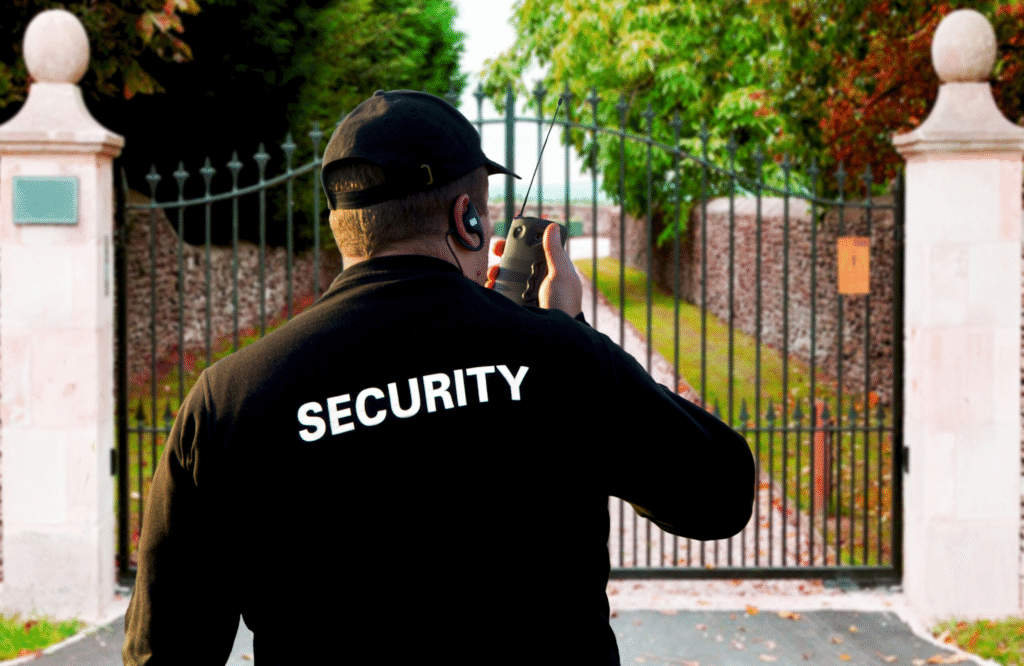
It’s not about fear. It’s about peace of mind. That’s where security guard services in Hidden Hills come in. For many first-time homeowners, this feels like a big step, but it’s often a surprisingly accessible one.
Unarmed guards aren’t just for gated communities or mansions. They act as deterrents. They monitor patterns. They walk the perimeter. They keep watch when you can’t. Most importantly, they make strangers think twice.
Look for local firms that offer neighborhood patrols or on-call support. Even periodic checks or night-time patrols can make a visible difference. Outsourcing vigilance will help you focus more on life rather than locks.
Secure Doors and Windows
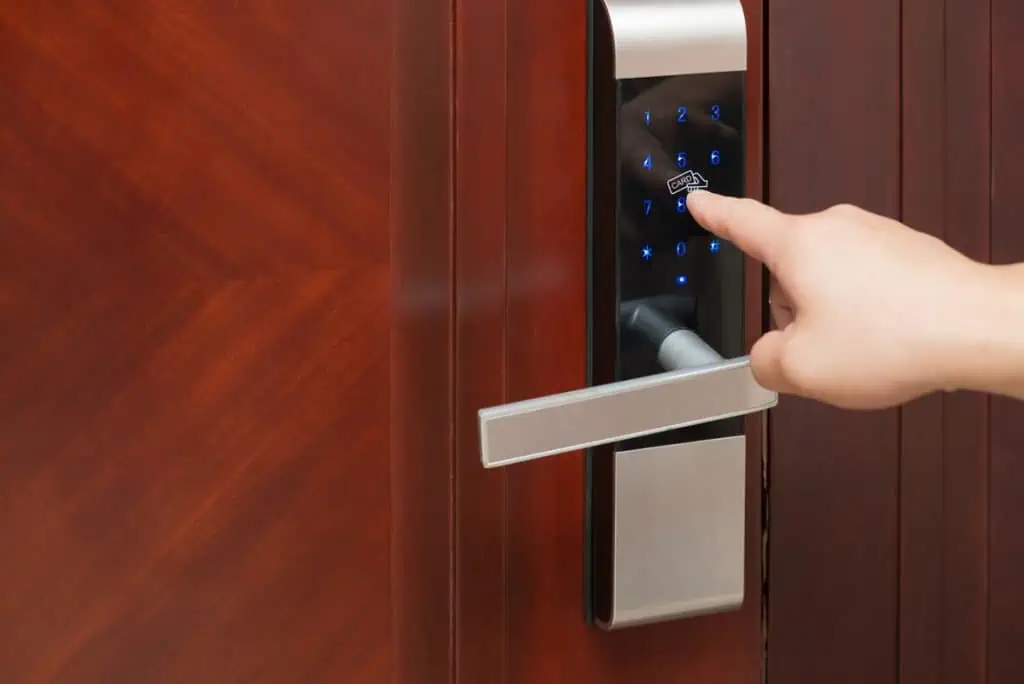
This is where most homeowners fall back. Doors and windows are your home’s weakest points. Burglars know it. You should, too.
Start with your front door. Reinforce the strike plate. Upgrade to a deadbolt with a 1-inch throw. Install a peephole or smart doorbell. Then check your back and side doors. If they’re hollow or worn, replace them.
Now windows. If you inherited old, single-pane windows, upgrade the locks or add window sensors. Slide-in stops or sash locks, prevent them from opening more than a few inches. For basement or ground-floor windows, add security film or bars that still allow for emergency exits.
Think like someone trying to break in. What would you go for? Then protect it.
Use Smart Devices to Monitor and Protect Your Home
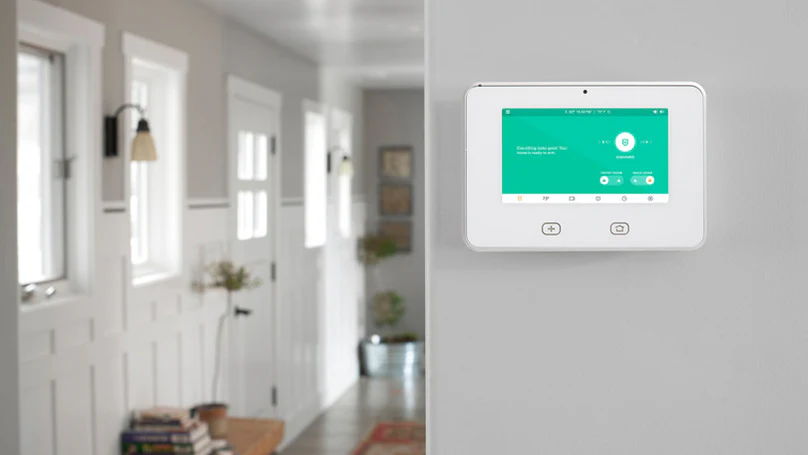
Smart devices can give you control even when you’re not home. And you don’t need a $5,000 system to stay protected.
Start simple. Install a video doorbell. You’ll get notified the moment someone approaches your door. Add smart plugs to simulate presence, turning lights on and off when you’re away. A couple of well-placed indoor or outdoor cameras let you monitor your home in real time, from anywhere.
Sensors matter too. Door, window, and motion sensors can alert you instantly if something changes. Sync them to your phone. Some systems even connect to local emergency services.
These tools aren’t just for catching threats. They help you feel secure because you’re not guessing what’s happening while you’re away.
Conclusion
You don’t need to become a security expert overnight. You just need to start. Your home is more than a building. It’s your space. Your people. Your memories-in-the-making.
Each step you take now, whether it’s reinforcing a door or hiring a residential unarmed security guard, will help you stay in control and at peace in the future.
Your home should feel like home. Let’s make sure it does.