Dog allergies are a common and frustrating problem for many pet parents. If your pup is constantly scratching, licking their paws, or dealing with recurring ear infections or digestive upset, food allergies or sensitivities may be the culprit. Choosing the best dog food for allergies can significantly reduce these symptoms and restore your dog’s comfort and quality of life. In this guide, we’ll explore common allergy triggers, the best allergy-friendly dog food options, and practical tips for making a successful dietary transition.
Common Allergy Triggers in Dogs
Food allergies in dogs are most often caused by proteins rather than grains, despite popular belief. Common allergens include chicken, beef, dairy, eggs, soy, and wheat. While grains are frequently blamed, they are less often the true cause compared to animal proteins. That said, every dog is different, and sensitivities can vary by breed, age, and overall health.
Dogs with food allergies may exhibit symptoms such as itchy skin, red or inflamed ears, chronic ear infections, hot spots, vomiting, diarrhea, or excessive licking. Hypoallergenic dog foods aim to reduce these reactions by eliminating common allergens and using alternative ingredients. Novel proteins like duck, venison, rabbit, or kangaroo are often used because dogs are less likely to have been exposed to them before.
Top Limited-Ingredient Dog Food Picks
Limited-ingredient diets (LID) are a popular choice for dogs with allergies. These formulas contain fewer components, making it easier to identify and avoid triggers. High-quality LID foods typically feature a single protein source and a single carbohydrate source.
Hydrolyzed protein diets are another excellent option, especially for dogs with severe allergies. In these formulas, proteins are broken down into smaller molecules that the immune system is less likely to recognize as allergens. These diets are often recommended by veterinarians and may require a prescription.
Grain-free dog foods can also be beneficial for dogs sensitive to certain grains, though they are not necessary for all allergy cases. Popular grain-free combinations include salmon and sweet potatoes or lamb and peas. Salmon-based recipes are particularly helpful because fish is a novel protein for many dogs and contains omega-3 fatty acids, which support skin and coat health.
Additionally, allergy-friendly pet foods often include probiotics and prebiotics. These ingredients promote gut health, which plays a crucial role in immune function and can help reduce allergic reactions over time.
Homemade vs. Commercial Allergy Diets
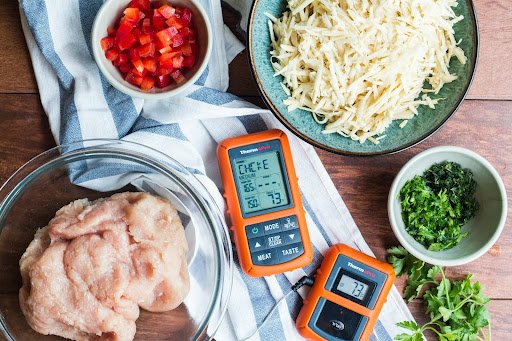
Some dog owners consider homemade diets to manage food allergies because they offer complete control over ingredients. A home-cooked diet can help eliminate additives, preservatives, and fillers found in some commercial foods. However, homemade dog food must be carefully balanced to meet all nutritional requirements.
Without proper formulation, dogs may suffer from deficiencies in essential vitamins, minerals, or fatty acids. That’s why it’s critical to consult a veterinarian or a veterinary nutritionist before switching to a DIY diet. They can help design a meal plan tailored to your dog’s specific allergy profile and nutritional needs.
Commercial allergy-specific dog foods, on the other hand, are formulated to be nutritionally complete and convenient. Many reputable brands invest in research and testing to ensure their hypoallergenic diets are safe and effective. Personalized dog nutrition reviews and vet recommendations can help narrow down the best option for your pup.
Transitioning and Monitoring Progress
When switching to a new dog food for allergies, a gradual transition is essential. Mix the new food with the old food over 7–10 days to avoid digestive upset. Start with 25% new food and slowly increase the ratio until your dog is fully transitioned.
Once the switch is complete, closely monitor your dog’s symptoms. Improvements in skin and coat health may take several weeks, while digestive issues often resolve sooner. Keep a journal to track changes such as reduced itching, improved stool quality, or fewer ear problems. If symptoms persist or worsen, consult your veterinarian to reassess the diet.
Final Thoughts
Finding the best dog food for allergies can be life-changing for your pet. With the right ingredients, careful monitoring, and patience, you can significantly reduce discomfort and help your dog thrive. Every pup deserves relief from constant itching and irritation—and the right nutrition is a powerful step toward a happier, healthier life.