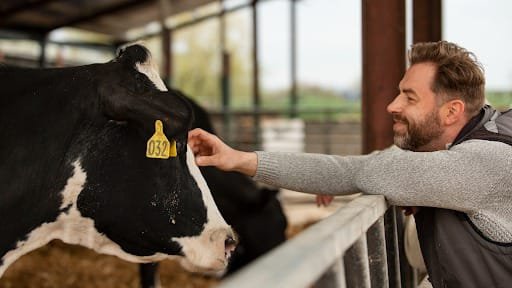
Promoting the growth of the livestock, increasing the conversion of feed, and improving milk, egg, and meat quality are important for those who practice animal husbandry or have homesteads. To achieve this, feed additives serve as an excellent option.
Owing to the increased global demand for animal proteins, improving feed efficiency, enhancing animal health, and improving environmental stress resilience are key for all livestock. To achieve these, the most efficient option is the use of appropriate feed additives that support the health of the livestock.
From glycerol monolaurate and calcefidiol to alternative proteins, here we’ll list the top feed additives that can keep your livestock healthy.
Why Feed Additives Have Gained Importance in Modern Animal Husbandry
The key reasons why feed additives have gained importance are:
- Maximizing livestock productivity and performance, such as rapid growth, high milk yield, or egg production.
- Improving digestion and feed conversion efficiency.
- Upregulate the endogenous immunity of livestock.
- Enhancing animal health by making the livestock resilient to diseases.
- Addressing antimicrobial resistance concerns.
- Making the livestock industry sustainable.
5 Feed Additives that Support Livestock Health and Productivity
The top five animal feed additives that improve feed conversion among sivestock, supporting health and productivity, are as follows:
Glycerol Monolaurate
High-purity α-glycerol monolaurate is a key feed additive that is used for antimicrobial and antiviral benefits in poultry, swine, and aquaculture. This functional lipid is formed from the esterification of lauric acid and glycerol. It inhibits the enveloped virus and Gram-positive bacteria, aiding gut health, immune resilience, and growth performance.
Glycerol monolaurate offers broad-spectrum activity, acting as a natural alternative to antibiotic growth promoters. It disrupts pathogen cell membranes, modulates gut microbiota, reduces inflammation, and can be used to treat Porcine Reproductive and Respiratory Syndrome Virus (PRRSv) and Porcine Epidemic Diarrhea Virus (PEDV).
25-Hydroxyvitamin D3
25-Hydroxyvitamin D3 is the active ingredient of Calcefidiol, a feed additive that supports bone strength, eggshell quality, natural immunity, and reproductive success. Though 25-Hydroxyvitamin D3 is naturally produced in the liver, adding Calcefidiol as a supplement increases the absorption of calcium and phosphorus.
Owing to its higher bioavailability, Calcefidiol improves bone strength, mineralization, and eggshell quality. It also supports fetal growth by absorption through the placental barrier and improves maternal bone reserves. Further, this additive has shown excellent results across livestock varieties like gilts, broilers, breeders, sows, piglets, and layers.
N-Acetylglutamate (NAG)
N-Acetylglutamate (NAG) functions as an essential cofactor for the urea cycle in mammals. It acts as an allosteric activator essential for detoxifying ammonia. In the urea cycle, it is a vital cofactor for carbamoyl phosphate synthetase I (an enzyme used in the urea cycle). This converts ammonia into urea, preventing the buildup of dangerous ammonia in the blood.
This compound is also shown to have improved milk yield and quality, growth performance of calves, meat quality, and slaughter yield. Further, it can also aid heat stress tolerance and boost reproductivity.
Dicopper Oxide (Cu2O)
Dicopper Oxide (Cu2O) is a nutritional feed additive that serves as an effective source of copper, supporting growth and immune function in livestock. This supports multiple biological functions like hemoglobin formation, bone and joint development, immune function, and nerve sheath development.
Being more bioavailable as Cu divalent, it also improves growth performance, disease resistance, and feed intake in pigs and broiler chickens. Further, it can modulate gut microbiota, improve the intestinal barrier, and control gastrointestinal parasites (worms).
Alternative Proteins
Crude protein additives in their peptide forms can be derived from enzymatically hydrolyzed yeast. This increases the bioavailability of the necessary nutrients, supporting the gut health of livestock via prebiotic effects. Further, these can also boost immunity and offer a rich supply of nucleotides and amino acids.
Thus, this can enhance feed conversion efficiency, growth performance, and stress resilience of livestock. Additionally, they serve as sustainable sources of alternative proteins for traditional livestock feed.
Comparison of the 5 Animal Feed Products
A simple comparison between the top animal feed products is as follows:
| Feed Additive | Primary Function | Key Health Benefits | Productivity Impact | Common Livestock Applications |
| Glycerol Monolaurate | Antimicrobial, gut health enhancer | Balances gut microbiota, reduces pathogens, and prevents diseases | Improves feed efficiency and weight gain | Poultry, swine, and ruminants |
| 25-Hydroxyvitamin D3 | Improved mineral metabolism | Enhanced calcium absorption and bone health | Supports skeletal strength and reproduction | Cattle and other livestock |
| N-Acetylglutamate (NAG) | Activates the urea cycle for nitrogen metabolism | Improves nitrogen utilization and liver health | Increases protein efficiency | Ruminants |
| Dicopper Oxide (Cu2O) | Copper source, and immune and enzyme support | Boosts immune function and antioxidant defense | Enhanced growth and disease resistance | Various species |
| Alternative Proteins | Alternative protein source | Prebiotic effects and immunity boost | Increases feed efficiency and stress resilience | Poultry, swine, and ruminants |
Table 1: Comparison of the Top Feed Additives
Wrapping Up
Before using feed additives on your livestock, it is important to evaluate the growth and immunity requirements. Evaluate the nutrition and health requirements of your livestock and select necessary additives that can aid the health and productivity of your herd.
Improving Livestock Productivity and Health
Do you wish for healthy livestock that offers high-quality animal products? Use the necessary feed additives from those given above to aid their growth.