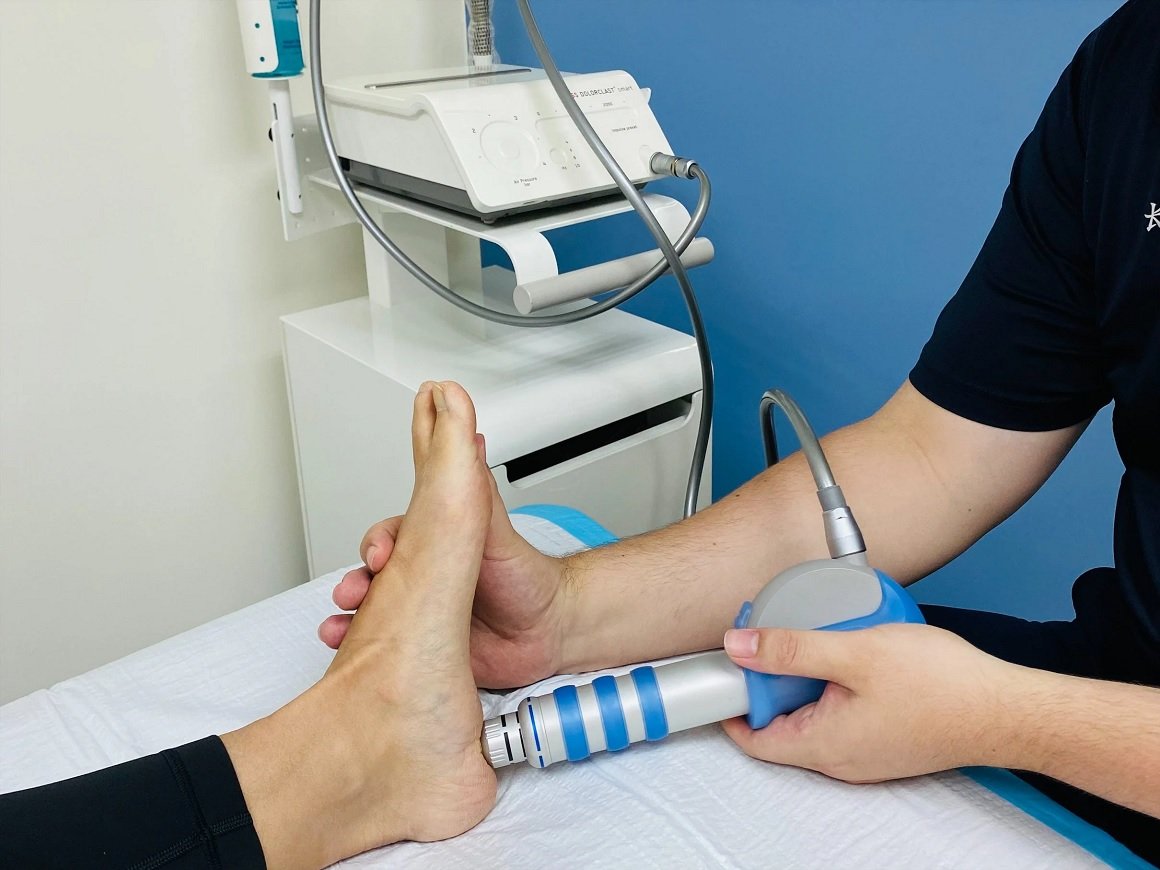
Modern medicine continues to evolve, bringing innovative solutions that transform how we approach pain management and tissue healing. Among these groundbreaking treatments, extracorporeal shock therapy has emerged as a game-changer for patients seeking non-invasive alternatives to surgery. This cutting-edge therapy harnesses the power of acoustic waves to stimulate your body’s natural healing mechanisms, offering hope to those who’ve struggled with chronic conditions and stubborn injuries.
Whether you’re dealing with persistent tendonitis, nagging heel pain, or sports-related injuries that won’t seem to heal, extracorporeal shock therapy might be the solution you’ve been searching for. It’s transforming lives by reducing pain, improving mobility, and helping people return to the activities they love.
What Is Extracorporeal Shock Wave Therapy?
Extracorporeal shock wave therapy, commonly known as ESWT, is a non-invasive medical treatment that uses high-energy acoustic waves to target damaged tissues and stimulate healing. The term “extracorporeal” means “outside the body,” which perfectly describes how this therapy works—generating shock waves externally that penetrate deep into your tissues without requiring any incisions or injections.
Originally developed to break up kidney stones in the 1980s, researchers discovered that these powerful sound waves had remarkable regenerative properties for soft tissue injuries. Today, it’s widely used in orthopedics, physical therapy, and sports medicine to treat various musculoskeletal conditions.
The Science Behind Shock Wave Technology
The mechanism behind extracorporeal shock therapy is fascinating and rooted in solid scientific principles. When acoustic waves pass through your skin and into deeper tissues, they create microtrauma at the cellular level. Now, this might sound counterintuitive—why would you want more trauma in an already injured area?
Here’s where it gets interesting. This controlled microtrauma triggers your body’s inflammatory response, which is actually the first stage of natural healing. It increases blood flow to the affected area, promotes the formation of new blood vessels (a process called neovascularization), and stimulates the release of growth factors that accelerate tissue repair.
How ESWT Stimulates Natural Healing
Your body is an incredible self-healing machine, but sometimes chronic injuries get stuck in a cycle where healing stalls. Extracorporeal shock therapy essentially “reboots” this healing process by:
- Breaking down calcified fibroblasts that restrict movement
- Releasing substance P, which reduces pain sensation
- Activating stem cells in the treated area
- Dissolving calcium deposits that contribute to pain
- Improving tissue metabolism and cellular regeneration
Think of it like jump-starting a car battery—the shock waves provide that initial surge of energy your tissues need to restart their natural healing cascade.
Types of Extracorporeal Shock Wave Therapy
Not all shock wave treatments are created equal. There are different types of ESWT, each with specific characteristics that make them suitable for different conditions and treatment goals.
Focused vs. Radial Shock Waves
The two main categories of extracorporeal shock therapy are focused and radial shock waves. Focused ESWT (also called high-energy ESWT) concentrates the acoustic waves into a precise point deep within your tissues. It’s like using a laser pointer—the energy is highly concentrated and can reach depths of up to 12 centimeters. This type is particularly effective for deep-seated problems like chronic tendinopathies and non-healing bone fractures.
Radial ESWT (low to medium-energy) works differently. Instead of focusing on a single point, these waves spread out from the applicator in a radial pattern, treating a larger surface area but at shallower depths. It’s gentler and often better tolerated by patients, making it ideal for trigger points, superficial muscle tension, and widespread soft tissue issues.
Conditions Treated with ESWT
The versatility of extracorporeal shock therapy has made it a go-to treatment option for numerous medical conditions. Let’s explore the primary areas where ESWT has shown remarkable effectiveness.
Musculoskeletal Disorders
ESWT has proven particularly successful in treating stubborn musculoskeletal conditions that haven’t responded to conventional therapies. Plantar fasciitis, one of the most common causes of heel pain, responds exceptionally well to shock wave treatment, with studies showing success rates of 70-80% after just a few sessions.
Calcific tendinitis of the shoulder, where calcium deposits form in the rotator cuff tendons, can be dramatically improved with extracorporeal shock therapy. The treatment helps break down these deposits while simultaneously reducing inflammation and pain. Tennis elbow (lateral epicondylitis) and golfer’s elbow (medial epicondylitis) are other conditions where ESWT has become a first-line treatment option.
Chronic Pain Management
For individuals battling chronic pain conditions, extracorporeal shock therapy offers a drug-free alternative that addresses the root cause rather than just masking symptoms. Myofascial pain syndrome, characterized by tight muscle bands and trigger points, responds well to radial shock wave therapy.
Achilles tendinopathy, which can be debilitating for athletes and active individuals, shows significant improvement with ESWT protocols. The treatment helps remodel damaged collagen fibers and restore normal tendon structure, leading to lasting pain relief and functional improvement.
Sports Injuries and Recovery
Athletes and fitness enthusiasts have embraced extracorporeal shock therapy as a valuable tool for both injury treatment and recovery enhancement. Jumper’s knee (patellar tendinopathy), shin splints (medial tibial stress syndrome), and stress fractures all benefit from targeted shock wave treatments.
What makes ESWT particularly attractive for athletes is that it doesn’t require lengthy periods of complete rest. Many athletes can continue modified training during their treatment course, maintaining their fitness levels while their tissues heal.
The ESWT Treatment Process
Understanding what happens during an extracorporeal shock therapy session can help alleviate any concerns and set realistic expectations for your treatment journey.
What to Expect During Your Session
Your treatment begins with a thorough assessment where your healthcare provider identifies the exact location requiring treatment. They’ll apply a gel to your skin—similar to what’s used for ultrasound—to help transmit the shock waves effectively.
The applicator device is then positioned against your skin, and the treatment begins. You’ll feel a rhythmic tapping or pulsing sensation as the shock waves penetrate your tissues. Some patients describe it as feeling like someone snapping a rubber band against their skin repeatedly. The intensity can be adjusted based on your comfort level and the specific condition being treated.
Most sessions last between 15 to 30 minutes, depending on the treatment area and protocol. While some discomfort is normal during the procedure, it’s generally well-tolerated, and most people don’t require any anesthesia.
Treatment Duration and Frequency
The complete extracorporeal shock therapy protocol typically involves 3 to 5 treatment sessions scheduled about one week apart. This spacing allows your tissues time to respond and begin the healing process between treatments.
You might not notice immediate improvement after your first session—that’s completely normal. The healing response takes time to develop, with most patients experiencing gradual improvement over 6 to 12 weeks following their treatment course. Some conditions may require additional sessions for optimal results.
Benefits of Choosing Shock Wave Therapy
Extracorporeal shock therapy offers several compelling advantages over traditional treatment approaches, making it an increasingly popular choice for both patients and healthcare providers.
Non-Invasive and Drug-Free Solution
One of the most significant benefits of ESWT is that it’s completely non-invasive—no needles, no incisions, no medications. This means you avoid the risks associated with surgery, such as infection, scarring, and anesthesia complications. There’s also no concern about medication side effects or developing dependence on pain relievers.
For patients who’ve been taking anti-inflammatory medications or corticosteroid injections with limited success, extracorporeal shock therapy provides a fresh approach that works with your body’s natural healing capabilities rather than suppressing symptoms.
Quick Recovery with Minimal Downtime
Unlike surgical interventions that require weeks or months of recovery, ESWT allows you to return to your normal activities almost immediately. Most patients experience only mild soreness for a day or two after treatment—similar to post-exercise muscle fatigue.
There’s no need for prolonged immobilization, extensive rehabilitation, or time off work. You can drive yourself home after treatment and resume most daily activities right away, though your provider may recommend avoiding high-intensity exercise for a few days.
Who’s an Ideal Candidate for ESWT?
Extracorporeal shock therapy works best for specific patient profiles and conditions. Ideal candidates are typically individuals who’ve been dealing with chronic musculoskeletal pain for at least three to six months and haven’t found adequate relief through conservative treatments like physical therapy, rest, or medications.
You might be a perfect candidate if you’re experiencing plantar fasciitis, chronic tendinopathies, calcific shoulder deposits, or similar conditions that have resisted conventional treatment. Additionally, people who want to avoid surgery or can’t undergo surgical procedures due to medical reasons often find ESWT to be an excellent alternative.
However, certain factors might make you unsuitable for this treatment. Pregnant women, individuals with blood clotting disorders, those taking blood-thinning medications, and people with infections in the treatment area should avoid ESWT. Your healthcare provider will conduct a thorough evaluation to determine if extracorporeal shock therapy is right for you.
Safety Profile and Potential Side Effects
Extracorporeal shock therapy has an excellent safety record with minimal risks when performed by trained professionals. The most common side effects are temporary and mild, including redness, swelling, or bruising at the treatment site. Some patients experience temporary pain increase immediately after treatment, which typically resolves within a few days.
Serious complications are extremely rare but can include skin damage, nerve injury (if improperly administered), or worsening of symptoms. These risks are minimized when treatment is delivered by qualified practitioners who follow established protocols and safety guidelines.
The treatment is generally well-tolerated, and the risk-benefit profile is favorable compared to more invasive alternatives. Most patients complete their entire treatment course without any significant adverse effects.
Comparing ESWT to Traditional Treatments
When evaluating treatment options, it’s helpful to understand how extracorporeal shock therapy stacks up against conventional approaches. Compared to corticosteroid injections, ESWT offers longer-lasting results without the risk of tendon weakening or cartilage damage that can occur with repeated steroid use.
Surgery might be necessary for severe cases, but it comes with inherent risks, longer recovery times, and no guarantee of success. ESWT provides a middle ground—more effective than conservative treatments alone but less invasive than surgery. Success rates for ESWT are impressive, with studies showing 60-90% of patients experiencing significant improvement, depending on the condition treated.
Physical therapy remains an important component of recovery, and ESWT actually works synergistically with exercise-based rehabilitation. Many practitioners combine shock wave therapy with targeted exercises to maximize outcomes and prevent recurrence.
Your Path to Pain-Free Living
Extracorporeal shock therapy represents a remarkable advancement in non-invasive treatment options for chronic pain and musculoskeletal conditions. By harnessing the power of acoustic waves to stimulate your body’s innate healing capabilities, ESWT offers hope to countless individuals who’ve exhausted conventional treatment options without finding lasting relief.
The beauty of this therapy lies in its simplicity and effectiveness—no surgery, no medications, minimal downtime, yet significant results. Whether you’re an athlete looking to overcome a stubborn injury, a weekend warrior battling chronic heel pain, or someone simply wanting to regain mobility and quality of life, extracorporeal shock therapy might be the solution you’ve been seeking.
Taking the first step toward pain-free living starts with education and consultation. Speak with a qualified healthcare provider experienced in ESWT to determine if this innovative treatment aligns with your specific needs and goals. Your journey to recovery and renewed vitality could be just a few shock wave sessions away, opening the door to a more active, comfortable, and fulfilling life.