The world of shirt printing has seen significant advancements in recent years, driven by technological innovations and changing consumer preferences. From eco-friendly processes to highly customizable options, the latest trends in shirt printing technology are revolutionizing the fashion industry and offering endless possibilities for designers, brands, and consumers alike. In this article, we’ll explore the most exciting trends shaping the future of shirt printing.
1. Direct-to-Garment (DTG) Printing
Direct-to-Garment (DTG) printing has rapidly gained popularity due to its ability to produce high-quality, full-color prints directly onto fabric. Unlike traditional screen printing, which requires the creation of separate screens for each color, DTG uses inkjet technology to apply ink directly to the garment. This allows for intricate designs with unlimited colors and fine details.
DTG printing is ideal for small to medium-sized orders, making it a favorite among independent designers and small businesses. It also supports on-demand printing, reducing waste and allowing for more sustainable production methods. As the technology continues to evolve, DTG printers are becoming faster, more efficient, and capable of handling a wider range of fabric types.
2. Sublimation Printing
Sublimation printing is another cutting-edge technology that has gained traction in the apparel industry, particularly for printing on polyester fabrics. This process involves transferring dye onto the fabric using heat, which causes the dye to sublimate and bond with the fibers of the material. The result is a vibrant, long-lasting print that won’t crack, peel, or fade over time.
Sublimation is perfect for creating all-over prints and designs that cover the entire shirt, including the seams. It’s commonly used for sportswear, promotional items, and custom apparel. As consumers continue to seek unique and personalized clothing options, sublimation printing is expected to remain a key player in the market.
3. Eco-Friendly Printing Solutions
Sustainability is a growing concern in the fashion industry, and shirt printing machines is no exception. As a response to environmental challenges, many printing companies are adopting eco-friendly practices and materials. Water-based inks, for example, are gaining popularity as they are less harmful to the environment compared to traditional plastisol inks. These inks are free from toxic chemicals like PVC and phthalates, making them a safer choice for both workers and the environment.
Moreover, advancements in digital printing technology, such as DTG and sublimation, have reduced water consumption and waste, making them more sustainable options. Brands are also exploring the use of recycled and organic fabrics to further minimize their environmental impact. As consumer demand for eco-conscious products grows, the industry is likely to see even more innovations in sustainable printing solutions.
4. Hybrid Printing Techniques
Hybrid printing techniques combine the best of digital and traditional printing methods to achieve exceptional results. For example, some printers use a combination of DTG and screen printing to create designs that feature both high-detail graphics and bold, solid colors. This approach allows for greater flexibility and creativity in design, catering to a broader range of customer preferences.
Hybrid printing is particularly useful for large orders where certain elements of the design may benefit from screen printing’s durability, while other parts require the detail and color range that digital printing provides. As technology advances, hybrid systems are becoming more sophisticated, allowing printers to offer unique and customizable products that stand out in the market.
5. 3D and Textured Printing
3D and textured printing are among the most innovative trends in shirt printing, offering a tactile element that traditional methods cannot achieve. This technology uses specialized inks or materials that expand or harden when exposed to heat or UV light, creating raised, textured designs on the fabric.
These prints can mimic the look and feel of embroidery, puff paint, or other embellishments, but with the precision and detail of digital printing. 3D printing technology opens up new possibilities for designers to experiment with textures, layers, and depth, adding a new dimension to printed apparel. As the technology becomes more accessible, we can expect to see more brands incorporating 3D and textured prints into their collections.
6. Augmented Reality (AR) Integration
One of the most futuristic trends in shirt printing is the integration of augmented reality (AR). This involves embedding AR-enabled designs into printed shirts, which can be activated using a smartphone or tablet. When the user points their device at the shirt, the AR app recognizes the design and overlays digital content, such as animations, videos, or interactive elements, onto the garment.
This technology offers a unique and engaging way for brands to connect with their customers, providing an immersive experience that goes beyond the physical product. AR-enabled shirts are becoming popular for promotional events, merchandise, and even fashion shows, as they allow for storytelling and brand interaction in a way that traditional prints cannot.
7. On-Demand and Customization Platforms
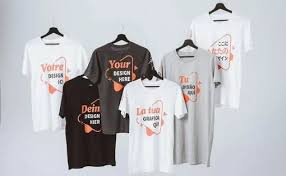
Customization and personalization are at the forefront of consumer trends, and advancements in printing technology have made it easier than ever to create bespoke designs. On-demand printing platforms allow customers to design their own shirts, choosing everything from the fabric and fit to the design and color scheme. These platforms typically use digital printing methods like DTG or sublimation to produce the final product quickly and efficiently.
The rise of e-commerce and digital design tools has further fueled the demand for personalized apparel. Consumers are increasingly looking for unique, one-of-a-kind items that reflect their individual style, and on-demand printing platforms cater directly to this desire. As technology continues to evolve, we can expect to see even more sophisticated customization options and faster turnaround times.
8. Smart and Wearable Technology Integration
The integration of smart technology into apparel is another exciting trend shaping the future of shirt printing. Wearable technology, such as sensors and conductive inks, can be embedded into fabrics to create interactive and functional clothing. For example, shirts printed with conductive ink can serve as touch-sensitive surfaces, allowing the wearer to control devices or interact with digital content directly from their clothing.
This trend is still in its early stages, but it holds great potential for the future of fashion and apparel. As the technology becomes more advanced and affordable, we may see a rise in smart clothing that not only looks good but also enhances the wearer’s lifestyle through connectivity and interactivity.
Conclusion
The world of shirt printing technology is rapidly evolving, driven by advancements in digital printing, sustainability, and customization. From the vibrant, detailed prints of DTG and sublimation to the tactile appeal of 3D printing and the interactivity of AR and smart technology, the possibilities are endless. As these trends continue to develop, they offer exciting opportunities for designers, brands, and consumers to create and enjoy unique, high-quality apparel that aligns with modern tastes and values. Whether you’re a fashion enthusiast, a business owner, or simply someone who loves a great shirt, the latest trends in shirt printing technology are sure to inspire and impress.