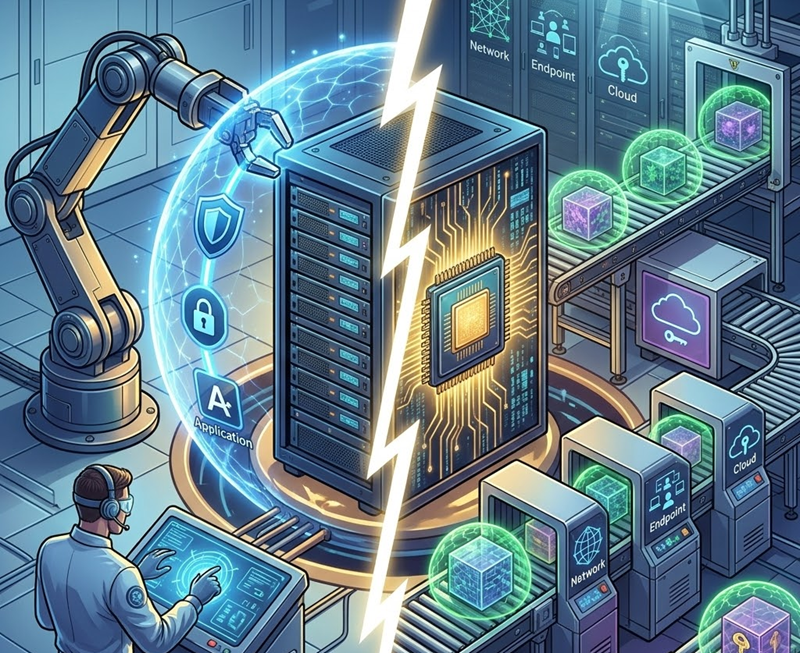
Discover the main security categories that shield modern digital systems, including network, endpoint, application, and cloud security.
Understanding the Landscape of Digital Security
As technology advances, digital systems become more complex and interconnected. This growth brings new opportunities but also increases the risk of cyber threats. Protecting these digital environments requires a thorough understanding of security categories designed to address various risks and vulnerabilities.
From businesses to individuals, everyone relies on digital systems for communication, storage, and daily operations. As a result, attackers are constantly looking for new ways to exploit weaknesses. Understanding the different aspects of security is the first step in building a safer digital world.
Core Security Categories in Modern Systems
A strong security posture relies on multiple security categories working together. Network security protects the flow of data between devices, while endpoint security focuses on individual devices like computers and smartphones. Application security safeguards software from threats, and cloud security addresses issues unique to cloud-based resources. For a deeper look at the types of cybersecurity and common cyber threats, it is helpful to explore dedicated resources that explain these categories in detail.
Security categories are not isolated; they often overlap and support one another. For example, a breach in endpoint security can impact network security, and weak application security can put sensitive data in the cloud at risk. Having a holistic view ensures that no gaps are left unaddressed. External organizations, such as the International Telecommunication Union, emphasize the importance of collaboration and global cybersecurity standards.
Network Security: The First Line of Defense
Network security involves measures that protect data as it travels across networks. Firewalls, intrusion detection systems, and encryption are common tools in this category. These solutions help prevent unauthorized access and reduce the risk of data breaches. The National Institute of Standards and Technology (NIST) provides guidelines for securing networks and maintaining robust defenses.
A secure network is essential for all organizations, regardless of size. Regular monitoring, segmentation, and access controls are key practices. By isolating sensitive areas and limiting who can access them, organizations can contain threats more effectively. Even home users benefit from strong network security, such as using secure Wi-Fi settings and changing default passwords.
Endpoint Security: Protecting Devices
Endpoints are often targeted by attackers because they serve as entry points into larger networks. Endpoint security solutions include antivirus software, device management, and regular updates. These tools help detect and stop threats before they can spread. According to the Federal Trade Commission, keeping devices updated and using security software are key steps in endpoint protection.
Mobile devices, laptops, and even Internet of Things (IoT) gadgets require strong security controls. Lost or stolen devices can lead to data breaches if not protected with encryption and remote wipe capabilities. Organizations should also enforce policies for personal device usage and ensure all endpoints meet security requirements before connecting to the network.
Application Security: Safeguarding Software
Application security focuses on making software safe from attacks. This involves regular code reviews, using secure development practices, and applying patches. By addressing vulnerabilities early, organizations can prevent attackers from exploiting application flaws.
Web applications, in particular, are frequent targets for attackers. Common threats include SQL injection, cross-site scripting, and insecure APIs. Developers should use tools for automated testing and follow best practices outlined by organizations such as the Open Web Application Security Project (OWASP). Regular penetration testing also helps identify weaknesses before they can be abused.
Cloud Security: Adapting to Modern Infrastructure
Cloud security addresses unique challenges posed by remote data storage and cloud-based applications. It involves securing data in transit and at rest, managing access, and monitoring for suspicious activity. The National Cyber Security Centre offers guidance on securing remote work setups. As more businesses move to the cloud, strong cloud security practices become essential to prevent data leaks and unauthorized access.
Organizations should understand the shared responsibility model, where both the cloud provider and the customer have roles in securing data and applications. Using encryption, strong authentication, and continuous monitoring can reduce the risk of breaches. The Cloud Security Alliance offers guidance on best practices for cloud environments.
Identity and Access Management (IAM)
IAM ensures that only authorized users can access sensitive resources. This category includes tools like multi-factor authentication, single sign-on, and role-based access control. By managing identities and permissions, organizations can limit the impact of compromised accounts.
IAM is especially important in large organizations with many users and complex systems. Automated provisioning and de-provisioning of accounts help reduce human error. Regular audits of user access and privileges can reveal unnecessary permissions and potential security risks. Government agencies, such as the U.S. Department of Homeland Security, recommend IAM as a core element of digital security.
Physical Security in Digital Environments
Physical security protects hardware, data centers, and other infrastructure from theft and damage. It includes measures like surveillance cameras, access controls, and secure facilities. Physical protection is a key part of a holistic security strategy.
Even the most advanced cybersecurity measures can be undermined if physical assets are not protected. Data centers should have restricted access, alarm systems, and backup power supplies. Employees should be trained to recognize suspicious behavior and report lost or stolen devices immediately.
The Importance of Security Awareness and Training
Human error remains a leading cause of security breaches. Regular training helps employees recognize phishing attempts, use strong passwords, and follow security policies. A well-informed workforce is a critical defense against cyber threats.
Security awareness programs should be ongoing and updated as new threats emerge. Simulated phishing exercises and real-world scenarios can help reinforce best practices. According to the SANS Institute, organizations with strong security cultures are less likely to experience major incidents.
Incident Response and Recovery
Despite the best defenses, security incidents can still happen. Incident response planning is vital for minimizing damage and restoring operations quickly. A good plan includes steps for identifying, containing, eradicating, and recovering from attacks.
Teams should regularly test their incident response plans through drills and tabletop exercises. This ensures everyone knows their role and can react quickly in a crisis. Keeping backups of critical data and maintaining clear communication channels are also essential for recovery.
Regulatory Compliance and Security Standards
Many industries must comply with regulations that require specific security measures. Examples include the General Data Protection Regulation (GDPR), the Health Insurance Portability and Accountability Act (HIPAA), and the Payment Card Industry Data Security Standard (PCI DSS).
Compliance helps protect organizations from legal penalties and builds trust with customers. Regular audits and assessments ensure that security practices meet required standards. Staying informed about changes in laws and regulations is key to maintaining compliance.
Conclusion
Modern digital systems face a variety of security challenges. By understanding and applying the main security categories, including network, endpoint, application, cloud, and physical security organizations can build strong defenses. Ongoing education and a layered approach are essential for protecting sensitive data and digital assets.
FAQ
What is network security?
Network security involves tools and practices that protect data as it moves across networks, helping prevent unauthorized access and data breaches.
Why is endpoint security important?
Endpoint security protects devices such as computers and smartphones that attackers can target to gain access to larger networks.
How does application security work?
Application security uses secure coding, regular updates, and vulnerability testing to protect software from cyber threats.