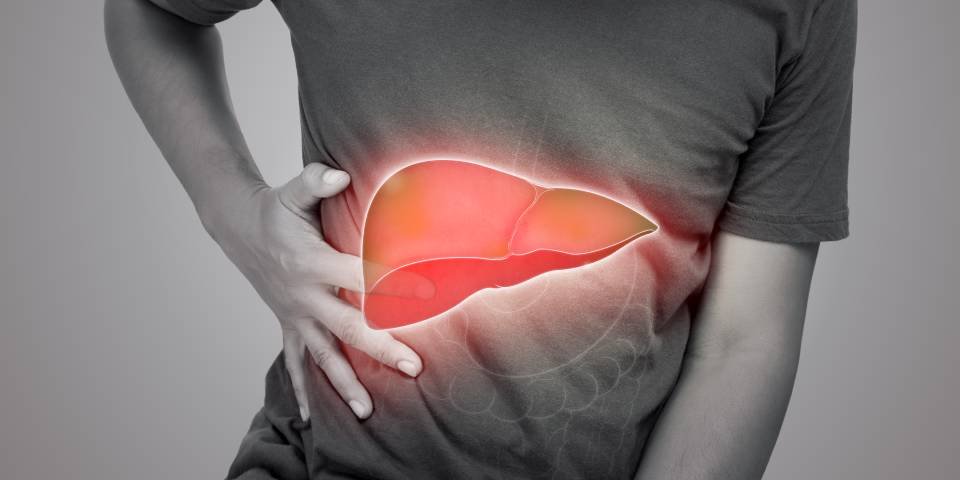
The liver, positioned beneath the rib cage on the right side of the abdomen, serves as a vital organ crucial for maintaining overall health. Its multifaceted roles include filtering blood, metabolizing nutrients, storing energy, and detoxifying harmful substances. However, when liver function is impaired due to diseases or disorders, various health complications arise, collectively known as liver disease.
Understanding the Diversity of Liver Diseases
Liver disease encompasses a wide range of conditions, each characterized by distinct causes, symptoms, and treatment approaches. Some prevalent types include:
- Hepatitis: Inflammation of the liver caused by viral infections (e.g., hepatitis A, B, or C), excessive alcohol consumption, autoimmune disorders, or exposure to toxins.
- Cirrhosis: Progressive scarring of liver tissue leading to impaired function, often resulting from chronic alcoholism, viral hepatitis, or fatty liver disease.
- Non-alcoholic Fatty Liver Disease (NAFLD): Accumulation of excessive fat in the liver, ranging from simple fatty liver to non-alcoholic steatohepatitis (NASH), which can lead to inflammation and scarring.
- Liver Cancer: Most commonly hepatocellular carcinoma (HCC), often developing in individuals with underlying liver diseases such as cirrhosis or chronic viral hepatitis.
- Liver Failure: Loss of liver function, either acute (sudden onset) or chronic (developing over time), leading to life-threatening complications.
Identification of Causes and Risk Factors
Liver disease arises from a complex interplay of various factors, including:
- Viral Infections: Hepatitis viruses, particularly hepatitis B and C, are significant contributors to liver disease globally.
- Alcohol Consumption: Chronic alcohol abuse can cause alcoholic liver disease, leading to inflammation, fatty liver, cirrhosis, and eventual liver failure.
- Obesity and Metabolic Syndrome: Excess weight, abdominal obesity, insulin resistance, and dyslipidemia increase the risk of NAFLD and NASH.
- Toxins and Medications: Exposure to toxins, industrial chemicals, and certain medications, including excessive acetaminophen (paracetamol), can damage liver cells.
- Autoimmune Disorders: Conditions such as autoimmune hepatitis, primary biliary cholangitis, and primary sclerosing cholangitis involve the immune system attacking liver cells.
- Genetic Factors: Inherited liver disorders like hemochromatosis, Wilson’s disease, and alpha-1 antitrypsin deficiency predispose individuals to liver disease.
Recognition of Signs and Symptoms
Symptoms of liver disease vary widely depending on severity, progression, and underlying cause, including:
- Jaundice: Yellowing of the skin and eyes due to elevated bilirubin levels, indicating impaired liver function.
- Fatigue: Persistent tiredness and weakness affecting daily activities and quality of life.
- Abdominal Pain and Swelling: Discomfort or pain in the upper right abdomen, with abdominal swelling or distension due to fluid accumulation (ascites).
- Unexplained Weight Loss: Sudden or unexplained weight loss, particularly evident in advanced liver disease.
- Nausea and Vomiting: Digestive symptoms such as nausea, vomiting, and loss of appetite, especially in advanced stages of liver disease.
- Easy Bruising and Bleeding: Impaired clotting factor production leading to easy bruising and prolonged bleeding.
Diagnosis and Treatment Approaches
Diagnosing liver disease involves a comprehensive evaluation comprising medical history assessment, physical examination, laboratory tests, imaging studies, and sometimes liver biopsy. Treatment aims to manage symptoms, slow disease progression, and address underlying causes, including:
- Medications: Prescribed to reduce inflammation, manage symptoms, or target underlying causes such as viral infections or autoimmune disorders.
- Lifestyle Modifications: Adopting a healthy lifestyle, including a balanced diet, regular exercise, weight management, and avoiding alcohol and hepatotoxic substances.
- Medical Procedures: Endoscopic interventions, trans arterial chemoembolization (TACE) for liver cancer, or liver transplantation may be necessary in advanced or life-threatening liver disease.
- Supportive Care: Nutritional support, management of complications such as ascites or hepatic encephalopathy, and psychosocial support are essential components of comprehensive liver disease management.
Conclusion
Liver disease presents a diverse array of conditions with significant impacts on health and quality of life. Understanding the causes, symptoms, and treatment options is crucial for timely diagnosis, effective management, and prevention of complications. By adopting a holistic approach integrating medical interventions, lifestyle modifications, and supportive care, individuals can optimize outcomes and improve overall well-being. Early detection, proactive management, and ongoing medical support are paramount in navigating the complexities of liver disease and promoting liver health for all.

Its like you read my mind! You appear to know so much about this, like you wrote the book in it or something. I think that you could do with some pics to drive the message home a little bit, but other than that, this is magnificent blog. A great read. I’ll definitely be back.
good post.Ne’er knew this, appreciate it for letting me know.
Some truly nice stuff on this site, I like it.
Good info and right to the point. I am not sure if this is really the best place to ask but do you folks have any ideea where to employ some professional writers? Thanks in advance 🙂
Wow, marvelous weblog layout! How lengthy have you ever been running a blog for? you made blogging glance easy. The full glance of your web site is fantastic, as smartly as the content!