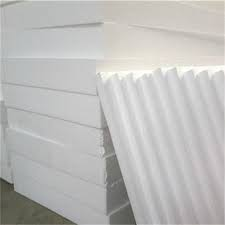
Most builders stumble upon expanded polystyrene board when other materials let them down. Traditional insulation fails in harsh Australian weather, forcing contractors to search for alternatives. What begins as a practical solution becomes the go-to choice once they witness its performance firsthand. Experienced tradies quietly recommend this material because it solves problems that fancy marketing campaigns never mention.
What Is It?
Manufacturers create expanded polystyrene board by steaming tiny polystyrene beads inside specialised moulds. Heat causes the beads to expand dramatically. They fuse together at contact points, forming rigid panels. The structure consists almost entirely of trapped air. Those small white beads visible on the surface tell only part of the story. Between each bead sits a sealed air pocket. These pockets work together to resist heat transfer effectively.
Superior Insulation Performance
Technical data sheets rarely capture what happens in real conditions. Expanded polystyrene board thrives in Australia’s coastal areas where salt air and humidity destroy competing products. Fibreglass insulation deteriorates rapidly in wet environments. The performance drops noticeably within a few seasons. EPS maintains its effectiveness because water cannot penetrate those sealed cells. Builders working in tropical Queensland have inspected decades-old installations. The material still performs like new whilst neighbouring properties face recurring insulation failures and persistent mould issues.
Lightweight Yet Strong
One person can easily carry and position sheets that would normally require help. This advantage becomes crucial during roof installations. Tight ceiling cavities demand materials that won’t exhaust workers before the job finishes. The strength surprises everyone initially. You can stand on EPS underfloor insulation during installation. It supports your weight without crumbling. Yet the same sheet weighs so little that transportation becomes almost negligible in project budgets. Buildings benefit from reduced structural loads too.
Moisture Resistance
Standard insulation becomes waterlogged when leaks occur or condensation builds up inside wall cavities. The wet material loses its insulating properties immediately. EPS behaves differently. Water hits the surface and runs straight off. It cannot soak into the closed-cell structure. Contractors who’ve opened walls after plumbing failures know this characteristic well. They find rotted timber framing and destroyed plasterboard. The EPS sits bone dry, still insulating perfectly. This resilience prevents cascade failures that plague other insulation types.
Versatile Applications
Pool builders pack EPS beneath concrete shells to isolate structures from ground movement. The material cushions and insulates simultaneously. Commercial coolroom construction relies heavily on it. Nothing else provides equivalent insulation at manageable panel thicknesses. Some architects specify it for rooftop gardens. The lightweight nature allows substantial soil depth without overloading building structures. Boat builders and surfboard shapers use it too. The applications extend far beyond conventional building insulation.
Environmental Considerations
Recycling facilities actively collect old EPS because processors can compress and remanufacture it efficiently. Some municipal councils now offer separate collection services. They’ve recognised the material’s recyclability potential. Manufacturing processes have evolved significantly. The harmful chemicals that tarnished foam plastics decades ago no longer feature in production. Buildings insulated with EPS demand less heating and cooling energy throughout their operational life. Those ongoing energy savings accumulate substantially over time. The environmental benefit compounds year after year without requiring any additional intervention.
Easy Installation
Standard handsaws cut through EPS cleanly. Hot wire cutters create precise shapes when needed. No protective suits or respirators are necessary during installation. Basic dust masks provide adequate protection. The material doesn’t irritate skin or release fibres that cause persistent itching. Mistakes happen on every job site. EPS forgives errors easily. You can recut pieces or join offcuts with adhesive for smaller gaps. Apprentices handle it confidently. Their work rarely requires constant oversight from experienced supervisors.
Long-Term Durability
Buildings constructed decades ago still contain original EPS performing flawlessly. The material maintains its dimensions permanently. Loose-fill insulation settles and creates gaps over time. Some foam alternatives compress under sustained loads. EPS does neither. Insects cannot digest it. Rodents won’t nest in it. Moisture cannot rot it. Once installed behind protective cladding, expanded polystyrene board essentially lasts indefinitely. It requires absolutely no maintenance whilst continuously providing effective insulation.
Conclusion
The reputation of expanded polystyrene board grows through job site experience rather than advertising campaigns. Builders witness its performance across Australia’s diverse climate zones. Tropical humidity cannot defeat it. Alpine cold cannot compromise it. This consistent reliability matters more than impressive specification sheets. Contractors choose materials that won’t generate callback complaints or warranty claims. That’s why experienced professionals specify EPS repeatedly for projects large and small. The material simply works without drama or disappointment.