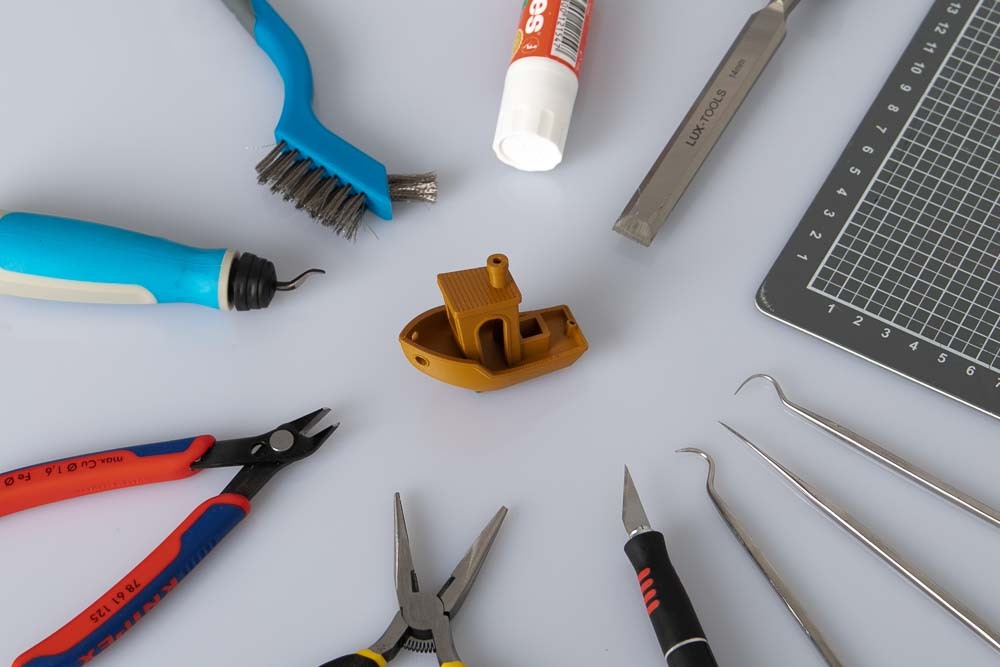
To everybody getting into the field of 3D printing, the printer is only the beginning. Subsequently, it can be important to have a set of trustworthy additions and upgrades to achieve consistent and high-quality prints. You may be having a bad print that you need to troubleshoot, or you may be interested in trying new materials and testing the capability of your machine, but the right gear can save you hours of headaches. Maintenance necessities up to performance enhancing devices, furnishing your workspace with the appropriate equipment is essential to working out the full potential of your printer.
Enhanced Nozzles and Hotends
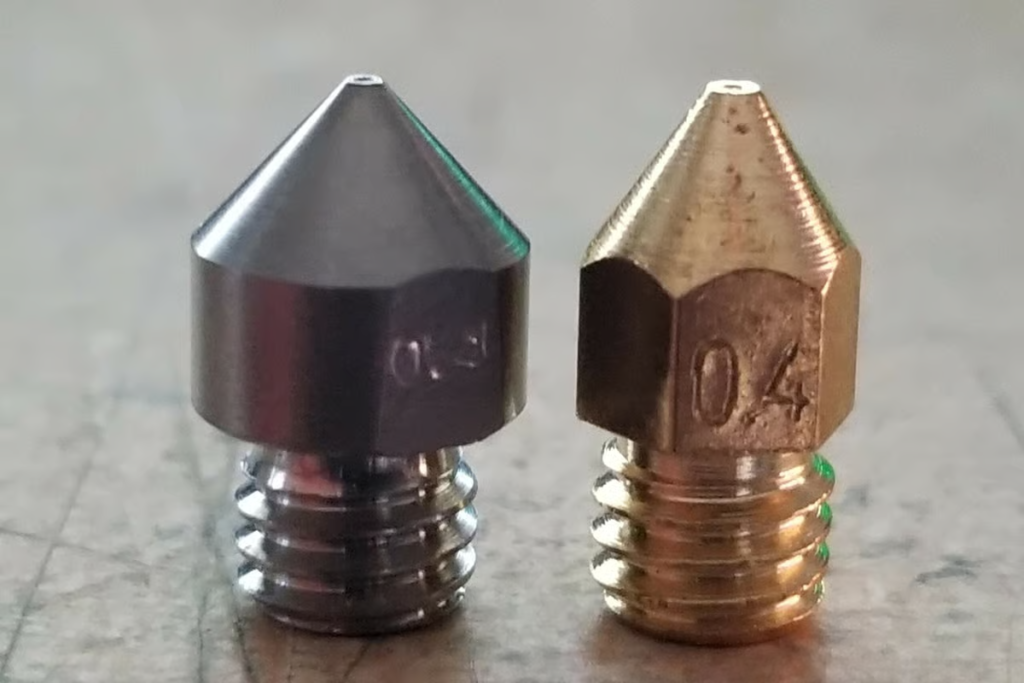
Your business end of the printer is the nozzle, which wears out very quickly, unless you are printing with abrasive materials, in which case it wears out very rapidly. The game changer in terms of durability is changing to hardened steel or plated copper nozzle. Provided that you are printing with filaments of carbon fiber or glow-in-the-dark, then you will need a wear-resistant nozzle to avoid internal breakdown that destroys the quality of the prints.
Equally, the whole hotend assembly may be a speed and temperature bottleneck. High-flow hotends will enable you to print at much higher rates without under-extrusion and all-metal hotends can be used with engineering grade plastics. When makers in the area are looking to source quality parts, a well-known Australian supplier of 3D printer accessories and 3D filament will have you stocked up with compatible parts within no time without having to wait until overseas shipments come in. Being able to replace a clogged hotend or update to a diamond-tipped nozzle and resume printing in days, as opposed to weeks, is possible due to access to local stock.
Efficient Build Surfaces and Adhesion Tools
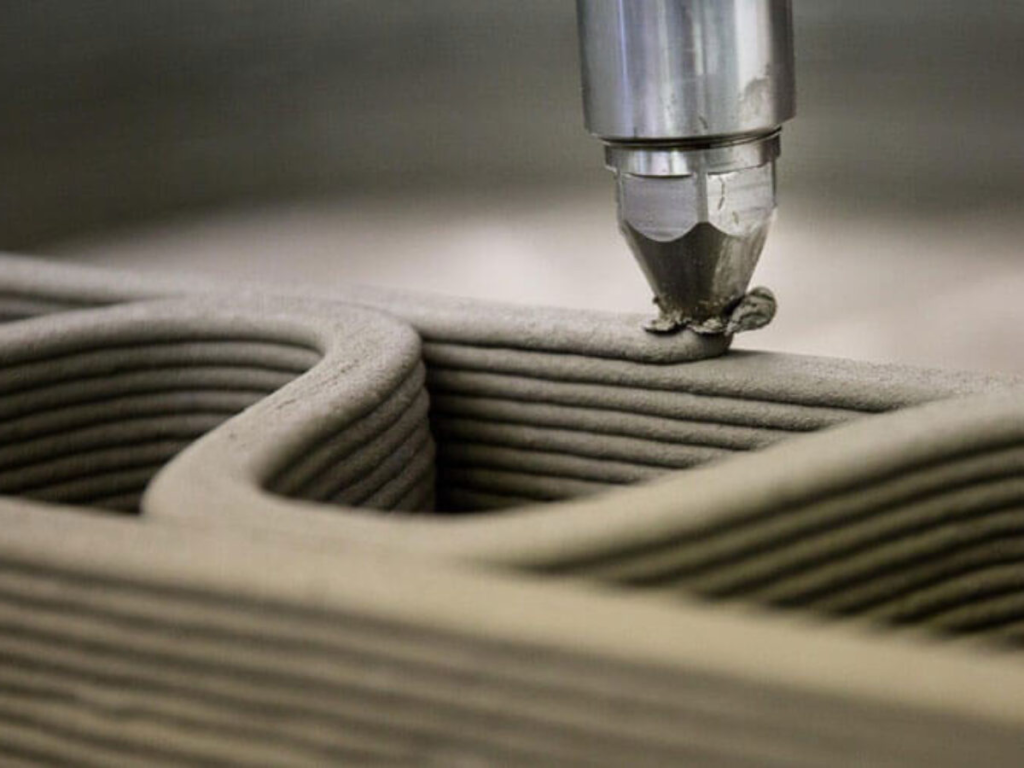
There is no worse thing than a print that comes off the bed midway when a 20-hour job is on. The appropriate build surface is the initial measure of defence. The gold standard has been taken over by PEI (Polyetherimide) sheets that can be smooth or textured. They provide great bonding during heating, and the print is easily released when the item is cool, which also tends to eradicate scrapers that might destroy the bed.
In the case of hard materials such as ABS or ASA, other adhesive aids may be required. Nevertheless, it can be messy when glue sticks are used only. Magnetic spring steel sheets are an excellent enhancement; you can pop the prints by flexing the plate, and the finish of the bottom layer is not lost, and the delicate parts do not get damaged.
Maintenance and Filament Storage
Filament is hygroscopic, i.e. absorbs the moisture in the air. Wet filament produces stringing, bubbling and poor adhesion of the layered areas. An easy but a necessary appliance is a dry box or a filament dryer. To guarantee that your prints are clean and strong each time, it is recommended to keep your PLA, PETG and specifically Nylon dry.
Combine it with a quality set of calipers to calibrate and a deburring tool to clean up afterward and it becomes a professional level system. Calipers enable you to check the diameter of filament and dimensional precision of your component parts so that they assemble perfectly.
Conclusion
The 3D printer can be a very potent device, but the accessories make it a reliable production machine. You reduce downtimes and increase creativity by investing in the newer nozzles, reliable build surfaces and good storage of materials. It is always best to create a workshop full stocked so that you can be prepared to undertake any project regardless of the complexity of the geometry or the material required.Essential 3D Printer Accessories Every Maker Should Have
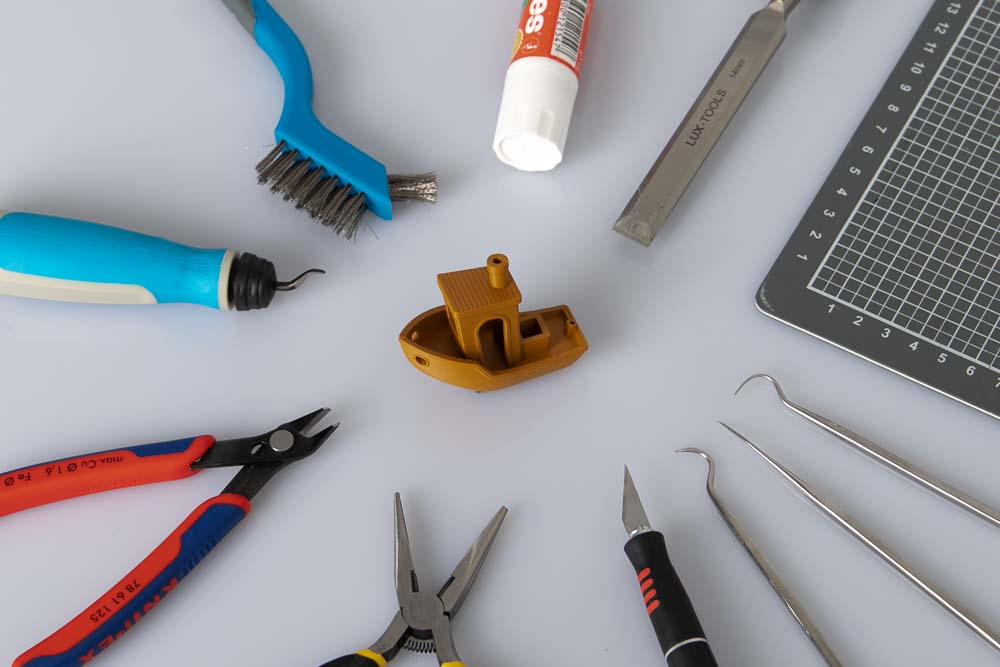
To everybody getting into the field of 3D printing, the printer is only the beginning. Subsequently, it can be important to have a set of trustworthy additions and upgrades to achieve consistent and high-quality prints. You may be having a bad print that you need to troubleshoot, or you may be interested in trying new materials and testing the capability of your machine, but the right gear can save you hours of headaches. Maintenance necessities up to performance enhancing devices, furnishing your workspace with the appropriate equipment is essential to working out the full potential of your printer.
Enhanced Nozzles and Hotends
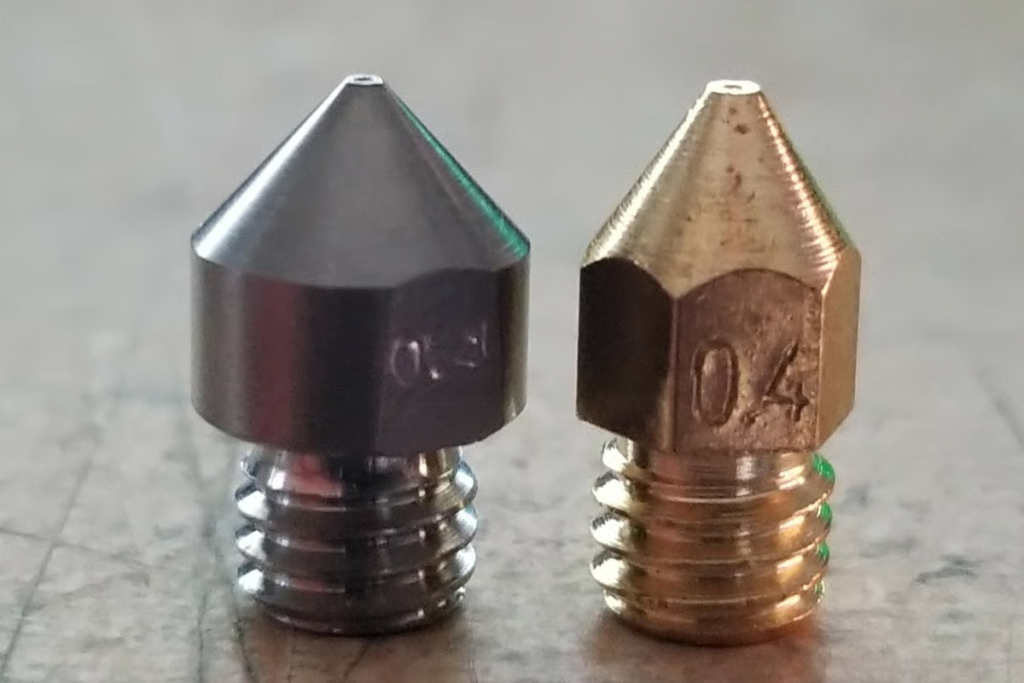
Your business end of the printer is the nozzle, which wears out very quickly, unless you are printing with abrasive materials, in which case it wears out very rapidly. The game changer in terms of durability is changing to hardened steel or plated copper nozzle. Provided that you are printing with filaments of carbon fiber or glow-in-the-dark, then you will need a wear-resistant nozzle to avoid internal breakdown that destroys the quality of the prints.
Equally, the whole hotend assembly may be a speed and temperature bottleneck. High-flow hotends will enable you to print at much higher rates without under-extrusion and all-metal hotends can be used with engineering grade plastics. When makers in the area are looking to source quality parts, a well-known Australian supplier of 3D printer accessories and 3D filament will have you stocked up with compatible parts within no time without having to wait until overseas shipments come in. Being able to replace a clogged hotend or update to a diamond-tipped nozzle and resume printing in days, as opposed to weeks, is possible due to access to local stock.
Efficient Build Surfaces and Adhesion Tools
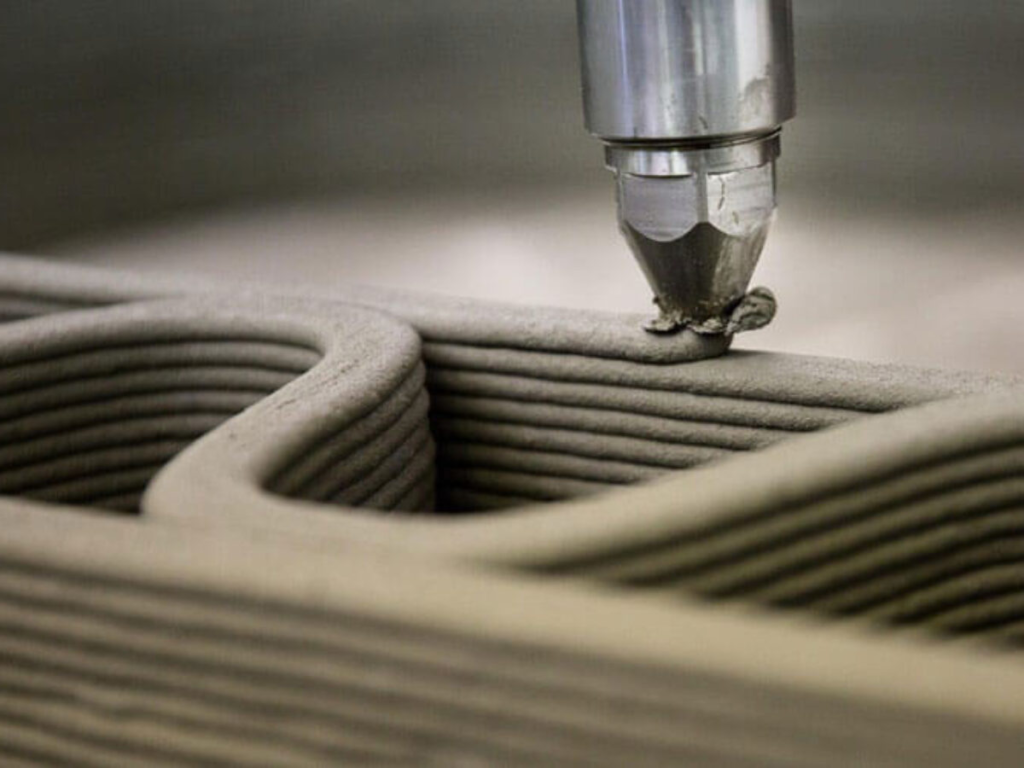
There is no worse thing than a print that comes off the bed midway when a 20-hour job is on. The appropriate build surface is the initial measure of defence. The gold standard has been taken over by PEI (Polyetherimide) sheets that can be smooth or textured. They provide great bonding during heating, and the print is easily released when the item is cool, which also tends to eradicate scrapers that might destroy the bed.
In the case of hard materials such as ABS or ASA, other adhesive aids may be required. Nevertheless, it can be messy when glue sticks are used only. Magnetic spring steel sheets are an excellent enhancement; you can pop the prints by flexing the plate, and the finish of the bottom layer is not lost, and the delicate parts do not get damaged.
Maintenance and Filament Storage
Filament is hygroscopic, i.e. absorbs the moisture in the air. Wet filament produces stringing, bubbling and poor adhesion of the layered areas. An easy but a necessary appliance is a dry box or a filament dryer. To guarantee that your prints are clean and strong each time, it is recommended to keep your PLA, PETG and specifically Nylon dry.
Combine it with a quality set of calipers to calibrate and a deburring tool to clean up afterward and it becomes a professional level system. Calipers enable you to check the diameter of filament and dimensional precision of your component parts so that they assemble perfectly.
Conclusion
The 3D printer can be a very potent device, but the accessories make it a reliable production machine. You reduce downtimes and increase creativity by investing in the newer nozzles, reliable build surfaces and good storage of materials. It is always best to create a workshop full stocked so that you can be prepared to undertake any project regardless of the complexity of the geometry or the material required.