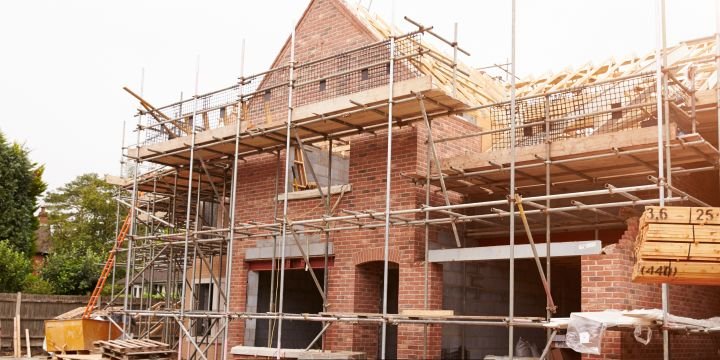
As cities grow and populations increase, the demand for efficient, eco-friendly urban homes increases. Green building practices, including energy-efficient systems, waste reduction strategies, and sustainable materials, are becoming the norm in urban development. These innovations reduce carbon footprints and improve residents’ quality of life. Future urban housing will prioritize environmental responsibility and functional spaces.
Imagine a city where homes are built and crafted with care to ensure minimal environmental impact. This is the essence of sustainable urban living—a burgeoning trend emphasizing ecological balance and thoughtful resource management. This approach is increasingly important as urban areas expand to accommodate growing populations, posing significant challenges to environmental preservation. In regions like New Homes Atlanta GA, integrating sustainable features in new developments illustrates a forward-thinking approach to community building.
Sustainable urban living is more than a mere trend; it’s a vital step towards safeguarding our future. By adopting practices that reduce carbon emissions, enhance air quality, and optimize resource consumption, this approach offers a holistic contribution to global environmental goals. Implementing these practices within urban developments benefits the environment and enhances the quality of life for residents who prioritize sustainability.
Key Features of Sustainable Homes
Sustainable homes prioritize energy efficiency through solar panels, insulation, and windows while incorporating water conservation strategies. These eco-friendly homes reduce energy consumption and utility costs, making them appealing to eco-conscious homeowners. Materials like recycled steel and wood minimize carbon footprint, and smart home systems automate energy management. Green roofs and walls insulate buildings, promoting environmentally responsible and economically viable home construction.
Benefits of Living in a Sustainable Urban Environment
Sustainable urban living offers numerous benefits beyond ecological impact, including improved health, cleaner air, reduced pollution, and community-centered designs that encourage active lifestyles. Sustainable homes result in lower utility bills due to energy and water use efficiency, and as demand for eco-friendly homes increases, property values may rise. Communities that embrace sustainability are also more resilient, bouncing back quicker from environmental stresses, making them desirable places to live. Overall, sustainable urban living is a sustainable and environmentally friendly approach.
How Architecture Is Adapting to Sustainability
Architecture is embracing sustainability by blending aesthetics with functionality. Green roofs and walls reduce urban heat island effects and provide outdoor spaces. Passive solar design principles optimize natural light and heat, reducing energy demands for artificial lighting. Smart home technology allows buildings to manage power consumption autonomously, adjusting energy usage based on occupancy and weather conditions. These innovations represent a redefinition of architectural standards, prioritizing longevity, comfort, and environmental stewardship.
Challenges in Implementing Sustainable Urban Living
Sustainable urban living faces challenges such as initial costs for materials and technologies, technological constraints, and public education. However, these challenges are becoming surmountable with increased innovation and public interest. Emerging technologies promise to reduce costs, improve efficiency, and make sustainable living more accessible, encouraging a global shift towards a more sustainable future. This requires concerted efforts from all stakeholders to overcome these obstacles and promote a more sustainable future.
A Look Into the Future: Trends in Sustainable Housing
Sustainable housing is gaining popularity as net-zero homes produce as much energy as they consume. Community-centric design principles focus on connectivity, inclusiveness, and shared resources. Future urban planning will include strategies to increase resilience, address climate risks, and ensure equitable access to sustainable living options. These trends will create eco-friendly cities that thrive in harmony with their natural surroundings, ensuring that cities are eco-friendly and thrive in harmony with their surroundings.