Introduction To Electric Transportation
The world is witnessing a dramatic shift in the way we think about mobility. Traditional fuel-powered cars are now facing tough competition from the growing popularity of electric car models. The adoption of electric transportation is not just a trend but a necessity driven by environmental concerns, rising fuel prices, and technological advancements.
What Is An Electric Car?
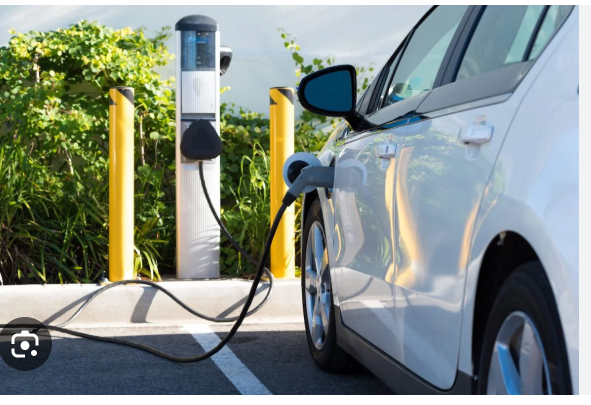
An electric car is a vehicle that uses one or more electric motors for propulsion. Unlike traditional internal combustion engine (ICE) vehicles, these cars run entirely or partially on electricity stored in batteries. When charged, these batteries power the electric motor, allowing the vehicle to move without using fossil fuels. These vehicles can be charged at home, at work, or at dedicated charging stations.
Growing Demand For Electric Vehicles
Over the past decade, the demand for electric vehicles has grown significantly. Governments around the world are promoting clean energy through incentives and infrastructure development. Brands like Tesla, Nissan, Hyundai, and Volkswagen have launched electric models to compete in this expanding market. As battery costs drop and performance improves, more people are choosing electric vehicles as their primary mode of transport.
Environmental Benefits
One of the biggest advantages of driving an electric car is the reduced environmental impact. These vehicles emit zero tailpipe pollutants, which helps improve air quality in urban areas. In addition, when powered by renewable energy sources like solar or wind, they have a much lower carbon footprint compared to petrol or diesel cars. This makes them a key player in the fight against climate change.
Cost Savings In The Long Run
Although the initial purchase cost of an electric car can be higher than that of a traditional vehicle, the long-term savings often outweigh the upfront expense. Owners spend less on fuel, as electricity is cheaper than gasoline. Maintenance costs are also reduced, since electric vehicles have fewer moving parts and don’t require oil changes, timing belts, or exhaust systems.
Government Support And Incentives
To encourage adoption, many governments offer financial incentives for purchasing electric vehicles. These may include tax credits, rebates, free parking, access to carpool lanes, and exemptions from congestion charges. These policies are designed to make electric cars more accessible and affordable to the average consumer.
Infrastructure Challenges
Despite the advantages, the expansion of electric vehicles does come with challenges. One of the major hurdles is the development of reliable and widespread charging infrastructure. Urban centers are catching up, but rural areas electric car still lack charging stations. Charging time is also a concern for some drivers, especially when compared to the quick refueling of traditional cars.
Technological Advancements
The electric car industry is continuously evolving. Battery technology is improving at a fast pace, leading to longer driving ranges and faster charging capabilities. Many new electric vehicles now offer ranges of over 300 kilometers on a single charge. Some models even include regenerative braking systems, which recover energy during braking and store it back in the battery.
Smart Features In Modern Electric Vehicles
Electric cars are not just about power sources; they are also packed with smart features. Most models come with touchscreen controls, smartphone integration, GPS navigation, autonomous driving support, and energy monitoring tools. These features enhance the user experience and make electric vehicles more appealing to tech-savvy consumers.
Impact On The Automotive Industry
The shift to electric vehicles is transforming the entire automotive industry. Manufacturers are investing billions into research and development to keep up with the trend. Suppliers, engineers, and mechanics are also undergoing training to support the growing electric vehicle sector. This shift is creating new job opportunities and redefining how vehicles are designed, manufactured, and maintained.
The Role Of Electric Cars In Future Cities
In the future, cities will likely rely more on electric vehicles as part of their public and private transportation systems. Shared mobility platforms like ride-hailing and car-sharing services are expected to switch to electric models for cost and environmental reasons. Electric public buses, scooters, and bikes will also play a crucial role in reducing emissions and easing traffic congestion in urban environments.
Overcoming Myths About Electric Cars
Many myths surround the electric car, such as poor range, lack of power, or being less safe. In reality, modern electric vehicles offer impressive acceleration, high safety ratings, and ample driving range for daily use. Educating consumers and debunking these myths is important to accelerate the adoption of clean transportation.
Consumer Awareness And Adoption
Awareness about the benefits of electric vehicles is increasing globally. Car manufacturers are running aggressive campaigns, and eco-conscious consumers are doing their own research. With test drives, online reviews, and dealership support, people are gaining confidence in making the switch from fuel-powered cars to electric alternatives.
Conclusion
The electric car represents more than just a new type of vehicle; it reflects a shift in how we view energy, transportation, and sustainability. As technology continues to evolve and infrastructure improves, electric vehicles are becoming a smart and necessary choice for modern drivers. Embracing electric mobility is not only better for the environment but also for the economy and the future of transportation.