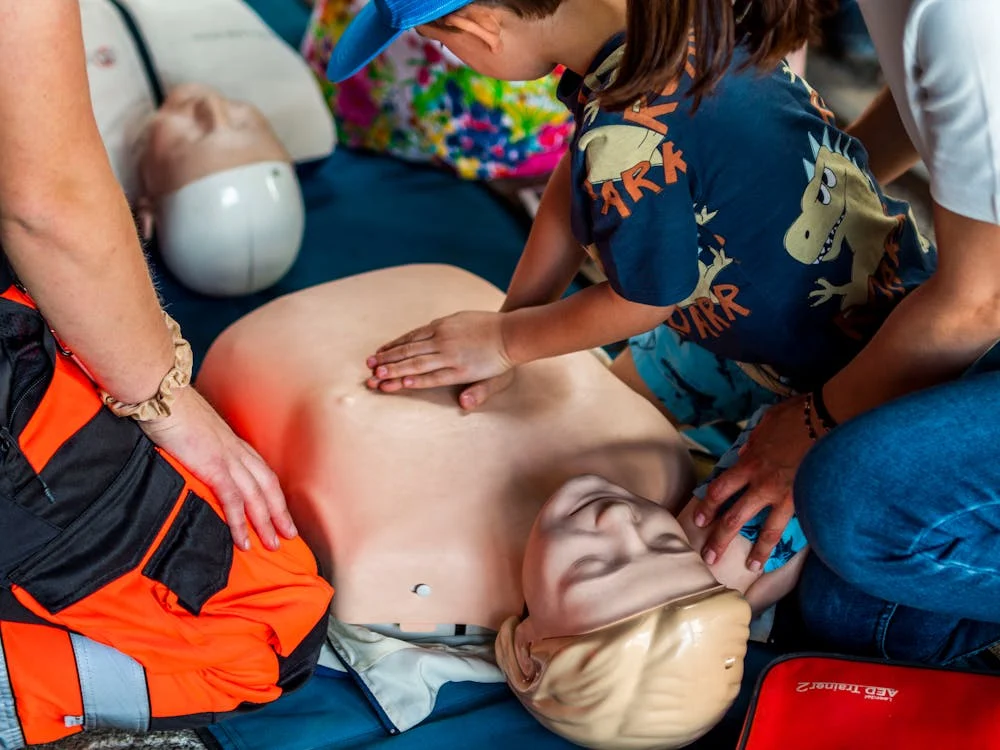
Knowing how to perform CPR offers a powerful opportunity. In an emergency, it allows anyone to step in and assist. Obtaining certification is an easy and transparent process that imparts abilities that are always beneficial. CPR training has a significant impact on daily life, the workplace, and education. It also boosts self-confidence through detailed directions to be taken when each time is valuable. It is satisfying and achievable to get certified in CPR through the proper training.
Choosing The Best CPR Course to Suit
There are options for every learning style, and finding CPR training is now simpler than ever. Some sessions are in-person and provide practical experience with teachers who walk you through every step. Depending on the course level, these courses frequently cover newborn, toddler, and adult CPR. Blended courses combine in-person skills testing with online instruction for individuals with hectic schedules. This approach guarantees correct technique while offering flexibility. When certification is granted by respectable organizations, including emergency response teams and health societies, it is commonly accepted. Another very important skill to learn during all the sessions is the usage of the Automated External Defibrillator (AED). Whichever form a CPR course takes, it is always a combination of drills, training, and a final examination of some kind to ensure you are ready to act responsibly in a possible emergency.
The Real Content of CPR Certification and Its Significance
When you have a CPR certificate, you can assist a person when their breathing gets hard or when their heart stops. The course involves rescue breathing, the utilization of AEDs, and chest compressions. Also, you will study the techniques of measuring responsiveness, making sure that a person is safe, and identifying the need to call a professional. The CPR procedures may differ depending on the age of the person in question, and all the variations are detailed during certified training. The issue of certification is significant in various spheres, especially considering those spheres that are concerned with the safety of people or children as well as aged people. Medical auxiliaries, physical fitness trainers, lifeguards, and educators often need their training to be documented. Nonetheless, there is a wide personal value in the skill set learned during CPR certification, even when there is no employment need. It exhibits responsibility, responsiveness, and ability to help in case of emergency; these are qualities that are valued in personal and professional life.
CPR Renewal Keeps You Skillful and Your Certification Up To Date
It is essential to keep abreast of the knowledge after certification, and that is why your CPR should be updated. CPR standards can change as new data is obtained, and the outcome is enhanced through the refinement of practices. The majority of credentials require renewal after two years. Despite being shorter than the initial training, these refresher courses nonetheless offer practice and the most recent instructions. Introducing regular cpr renewal in the training cycle ensures that techniques stay precise and reliable. It builds on good behaviors as well and also helps to eliminate any minor mistakes that may build up over time. To keep the certificate valid is very important, be it employed or just as preparation on a personal level. A refresher on your CPR will also show how keen you have been to maintain your life-saving skills and how ready you are to face any type of emergency.
Situations when a CPR Certification Can Be Handy Unexpectedly
When people think of public places, this may be just as valuable in a more personal place, e.g., at home, at school functions, or traveling. Well-trained workers in CPR will help to make the working environments safer for all. The ability to conduct CPR allows you to become a volunteer during disaster relief or during a community event. Accreditation of CPR is also an advantage in obtaining employment in areas of safety and care, not least among those jobs that need to be close to people. The training encourages controlled decision-making, alertness, and close attention to details, even in non-emergencies. It creates habits that are transferable to other aspects of life. Preparing with CPR training produces a setting that feels safe, cared for, and ready.
Being Certified Promotes Responsibility and Increases Confidence
Having a CPR certification increases your confidence in addition to your knowledge. You gain the ability to become calm in stressful situations and offer considerable help before the medical aid arrives. This trust translates into all other aspects of life, and this shows how reliable and prepared you are. Also, CPR training induces a greater sense of responsibility. It encourages one to be aware of the world around them, and one should be ready to respond without having to think about it. Once people receive CPR training, they will often claim that they will be more alert and more attentive even under normal conditions. The training generates a sense of control, which translates into a better decision-making process. It’s a useful personal ability that exhibits alertness, bravery, and strength—elements that people frequently value and depend on. After you’ve received training, your acts may inspire others to become certified and develop their helping skills.
Conclusion
Obtaining a CPR certification provides access to useful abilities that are used every day. It improves preparedness, promotes composed action, and promotes the welfare of others around you. Being prepared becomes second nature with the right training and periodic CPR renewal. The benefits are far more than just classroom, and the process is easy. Certification in CPR is a sound, long-term investment either in career or in personal growth.