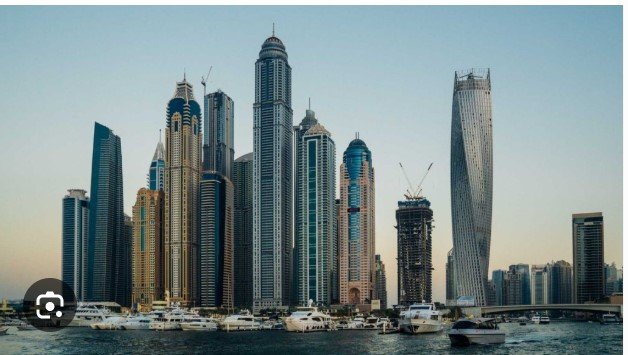
Dubai has long been recognized as one of the world’s most dynamic property markets. With its strategic location, investor‑friendly policies, and consistent demand from both local and international buyers, the emirate continues to attract attention from those seeking strong returns and long‑term stability.
Market Performance Overview
- Transaction Growth: In the first quarter of 2025 alone, Dubai recorded over 42,000 property transactions, amounting to AED 114.1 billion in deals.
- Global Appeal: The city has positioned itself as a premier global hub, drawing investors from Europe, Asia, and the Middle East.
- Resilience: Despite global economic uncertainties, Dubai’s property sector has shown resilience, supported by government initiatives and infrastructure expansion.
Key Drivers of Investment
- Strategic Location: Dubai serves as a gateway between East and West, making it attractive for international investors.
- Tax Benefits: The absence of property taxes and capital gains tax enhances profitability.
- Residency Programs: Long‑term visas linked to property ownership encourage sustained investment.
- Infrastructure Development: Projects such as new metro lines, airports, and waterfront communities continue to boost demand.
Top Performing Areas
- Downtown Dubai: Known for luxury apartments and proximity to landmarks like Burj Khalifa.
- Dubai Marina: Popular among expatriates, offering waterfront living and high rental yields.
- Business Bay: Emerging as a mixed‑use hub with commercial and residential appeal.
- Jumeirah Village Circle (JVC): Affordable housing options with growing demand from families.
- Palm Jumeirah: Iconic villas and apartments, consistently attracting high‑net‑worth buyers.
Residential vs. Commercial Investments
- Residential Properties: Apartments and villas remain the most sought‑after, with rental yields averaging 5–7% annually.
- Commercial Properties: Office spaces and retail units are gaining traction, especially in free zones where foreign ownership is permitted.
- Short‑Term Rentals: The rise of tourism and platforms like Airbnb has created opportunities for investors in holiday homes.
Market Trends in 2025
- Sustainable Living: Developers are focusing on eco‑friendly projects with energy‑efficient designs.
- Smart Homes: Integration of technology in residential units is becoming standard.
- Affordable Housing: Increased demand for mid‑range properties among young professionals and families.
- Luxury Segment Growth: Ultra‑luxury villas and branded residences continue to set record prices.
Government Policies Supporting Investors
- Golden Visa Program: Property investors can qualify for long‑term residency.
- Regulatory Framework: The Dubai Land Department ensures transparency and investor protection.
- Foreign Ownership: Freehold areas allow expatriates to own property outright.
- Rental Laws: Regulations provide stability for landlords and tenants, reducing disputes.
Statistical Insights
- Population Growth: Dubai’s population is projected to exceed 4 million by 2030, driving housing demand.
- Tourism Impact: With over 17 million visitors annually, short‑term rental demand remains strong.
- Price Trends: Average property prices rose by 15% year‑on‑year in 2025, reflecting strong investor confidence.
For many international buyers, the appeal of property investment Dubai lies in the combination of high rental yields, long‑term capital appreciation, and the lifestyle benefits offered by the city. This balance of financial and personal value makes the emirate stand out compared to other global markets.
Risks and Considerations
- Market Volatility: Prices can fluctuate depending on global economic conditions.
- Oversupply Concerns: Certain areas may face oversupply, impacting rental yields.
- Currency Exchange: Investors should monitor exchange rates when transferring funds.
- Legal Compliance: Understanding local laws and regulations is crucial to avoid disputes.
Future Outlook
- Expo Legacy: Infrastructure developed for Expo 2020 continues to benefit communities.
- New Developments: Projects in Dubai South and Mohammed Bin Rashid City are expected to drive growth.
- Global Positioning: Dubai aims to strengthen its role as a leading real estate investment destination.
- Technology Integration: Blockchain and AI are being adopted for property transactions, enhancing transparency.
Practical Tips for Investors
- Research Thoroughly: Study market reports and consult with licensed brokers.
- Diversify: Consider a mix of residential and commercial properties.
- Long‑Term Perspective: Focus on sustainable growth rather than short‑term gains.
- Legal Guidance: Work with legal advisors to ensure compliance with local regulations.
Conclusion
Dubai’s property market continues to thrive, offering opportunities across luxury, affordable, and commercial segments. With strong government support, rising demand, and consistent returns, the emirate remains a compelling destination for investors. By understanding market dynamics, evaluating risks, and adopting a long‑term strategy, investors can position themselves to benefit from one of the world’s most vibrant real estate markets.