Why a Sri Lanka Cooking Class Transforms Your Travel Experience
Participating in a Sri Lanka Cooking Class offers more than a recipe collection; it provides a sensory passport into culture, history, and daily life. In Sri Lankan kitchens, food is storytelling—spices speak of trade routes, coconut speaks of coastal livelihoods, and rice speaks of centuries of cultivation. A cooking class strips away tourist distance and places you at the stove beside local cooks who explain not only how to cut and sauté, but why certain techniques and ingredient pairings matter. This depth of context deepens appreciation for each bite taken in the country.
Beyond technique, classes showcase regional differences in flavor profiles: the bold chilies and curries of the south, the aromatic tamarind notes in coastal preparations, and the delicate coconut milk balances of interior cuisines. Learning to temper spices, press fresh coconut, roast curry powders, and balance heat with acidity equips travelers to recreate authentic dishes back home. These practical skills are taught alongside cultural etiquette—how meals are shared, what festivals influence menus, and how seasonal availability dictates tradition.
For travelers, the educational value extends to sustainability and ingredient sourcing. A class often explains how smallholder farms and local markets contribute to the food chain, encouraging mindful eating and support of community economies. Hands-on classes also accommodate dietary preferences, offering vegetarian, vegan, or gluten-free variations that honor tradition while meeting personal needs. The outcome is not just a meal, but a memorable cultural exchange and a newfound confidence to bring Sri Lankan flavors into everyday cooking.
What to Expect in a Colombo Cooking Class: Markets, Techniques, and Flavors
A typical Colombo Cooking Class begins long before the kitchen: with a guided walk through a bustling market where colors, scents, and textures define the experience. Market stops introduce you to fresh produce, spices, and seafood while vendors demonstrate selection tips—how to pick the ripest mango, distinguish different chillies, or choose the freshest fish. This market immersion ensures participants understand ingredient freshness, seasonality, and local nomenclature.
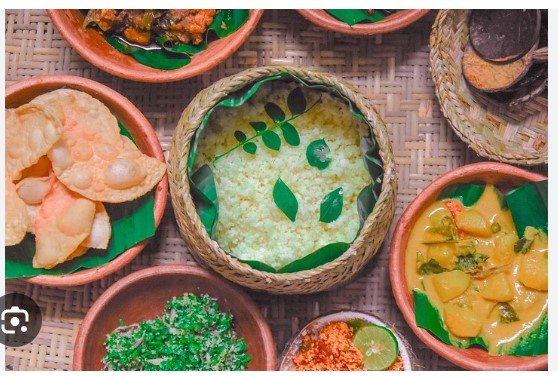
Back in the kitchen, a skilled instructor translates market knowledge into culinary technique. Expect to practice essential skills such as grinding spices by mortar and pestle, preparing coconut in multiple forms (milk, scraped, fried), and mastering the art of curry base creation. Lessons emphasize flame control, layering flavors, and timing—how each step contributes to the final dish’s texture and aroma. Many classes focus on iconic dishes like pol sambol, hoppers (appa), lamprais, and varied regional curries.
Interactive elements make these sessions ideal for travelers who learn by doing. You will chop, temper, stir, and plate under guidance, receiving practical tips to replicate dishes at home. The social aspect is significant: groups often dine together, exchanging stories while enjoying the fruits of their labor. For photographers and food writers, the evolving tableau from market to plate provides compelling visual narratives. Whether a beginner or a confident home cook, a Colombo kitchen class bridges curiosity and competence through memorable, hands-on learning.
Market Tours, Case Studies and Real-World Examples of Successful Classes
Real-world examples demonstrate how market tours complement classroom instruction. In one case study, an international visitor group began at a morning fish market where local fishers described sustainable catch methods; later, that knowledge shaped a coastal curry lesson focused on reducing waste and maximizing flavor. Participants returned home inspired to purchase sustainably sourced seafood and to incorporate nose-to-tail practices learned in class.
Another example involves a vegetarian-focused session that partnered with neighborhood farmers to highlight seasonal vegetables and indigenous legumes. Attendees learned how fermentation and pickling preserve flavors between seasons and how spice blends can impart depth without heavy reliance on meat. This class inspired a community cookbook project where students contributed adaptations of traditional recipes to share with local schools, creating a feedback loop that encouraged culinary heritage preservation.
Market tours also provide case studies in cultural exchange. One small-group class invited a local elder to demonstrate traditional festival sweets, linking recipes to stories about rituals and family life. Participants left not only with recipe cards but with an oral history that framed each dish as part of a living tradition. These real-world interactions illustrate how a Sri Lanka market tour cooking class can be transformative—building cross-cultural understanding, supporting local economies, and giving travelers practical skills to recreate authentic flavors at home.
Food

