Key Takeaways
- Data analytics enables smarter pricing, enhanced customer retention, and higher profitability.
- AI and machine learning increase personalization and operational productivity.
- Eliminating data silos aligns strategies across departments for seamless business growth.
Table of Contents
- Optimizing Pricing Strategies Through Data Analytics
- Enhancing Customer Retention with Data Insights
- Integrating AI and Machine Learning for Revenue Growth
- Breaking Down Data Silos for Unified Growth
- Personalizing the Customer Experience
- Cross-Channel Data Integration
- Building a Data-Driven Culture
- Conclusion
In the relentless pace of today’s business world, data is the cornerstone of consistent revenue growth and long-term success. Organizations that prioritize data intelligence are better equipped to adapt to market changes, identify profitable opportunities, and mitigate risks before they impact the bottom line. Leveraging expertise from a trusted firm for ROI consulting can accelerate these efforts, streamlining operations and maximizing ROI for every dollar invested.
Companies across industries are turning to sophisticated analytics and technology to optimize decision-making and sharpen their competitive edge. By integrating these data-informed strategies across every level from pricing and retention to customer experience and cross-channel engagement, businesses can create resilient revenue models that thrive even during economic uncertainty. Effective use of data doesn’t just drive instant results; it sets the stage for scalability and sustained commercial success.
Optimizing Pricing Strategies Through Data Analytics
Modern pricing is no longer just about competitive rates. It’s about understanding what customers value and how different segments respond to changes. Advanced analytics allow businesses to run A/B pricing tests, compare models, and make real-time adjustments. For example, by analyzing transaction data and applying predictive models, teams can identify optimal price points and test strategic product bundles to increase average revenue per user (ARPU). One e-commerce company used this method and saw a 20% increase in revenue following data-driven product restructuring. This shift is reflected in trends reported by Harvard Business Review, which highlights the financial impact of analytics on dynamic pricing models.
Enhancing Customer Retention with Data Insights
Customer retention is intrinsically linked to sustainable revenue. By mining behavioral and transactional data, businesses gain insights into customer engagement patterns and usage gaps. This enables proactive strategies, such as reaching out to at-risk clients with personalized support or exclusive offers. For example, SaaS platforms often deploy targeted educational campaigns or follow-up calls when user activity drops, reducing churn and increasing customer lifetime value. This approach not only improves retention rates but also deepens customer trust and loyalty.

Integrating AI and Machine Learning for Revenue Growth
Artificial Intelligence and machine learning have ushered in a new era of revenue optimization. These technologies analyze massive datasets at scale, providing real-time predictions and automating lead prioritization. AI-powered lead scoring helps sales teams focus on prospects with the highest conversion potential, ensuring smarter time and resource allocation. Additionally, automated A/B testing continuously refines marketing content and channels based on performance data, maximizing returns from each campaign. AI-driven customer support tools, such as chatbots and virtual assistants, also reduce friction, accelerate purchasing decisions, and deliver instant value to customers, positioning businesses at the forefront of their industry.
Breaking Down Data Silos for Unified Growth
Data silos create blind spots that stifle growth and breed inefficiency. When departments operate with isolated datasets, valuable cross-functional insights are missed. By integrating systems and creating a unified data ecosystem, businesses foster seamless communication, comprehensive reporting, and holistic strategic planning. This level of connectivity enables organizations to respond quickly to market shifts and customer needs while minimizing costs and inefficiencies associated with duplicating efforts or fragmented initiatives.
Unified data strategies are especially critical for scaling businesses, where rapid growth often leads to disparate processes and tools. According to McKinsey & Company, organizations that break down internal silos and centralize their data assets are twice as likely to report significant value from analytics investments.
Personalizing the Customer Experience
Personalization is no longer a mere advantage it’s a necessity. Businesses that use data to craft tailored messaging, product recommendations, and service offerings consistently surpass industry benchmarks for engagement and revenue. For instance, a SaaS provider can segment its user base by industry and deliver features or resources uniquely beneficial to those sectors. Personalization leads to higher conversion rates, repeat business, and stronger word-of-mouth marketing, all of which compound revenue growth.
Cross-Channel Data Integration
Customers move fluidly between websites, social media, email, and brick-and-mortar locations. Cross-channel data integration unites these diverse touchpoints, building a single view of the customer journey. By aggregating and analyzing cross-channel data, businesses detect meaningful patterns, predict buying behavior, and serve targeted content wherever the customer chooses to engage. This approach not only increases retention but also elevates brand loyalty.
Building a Data-Driven Culture
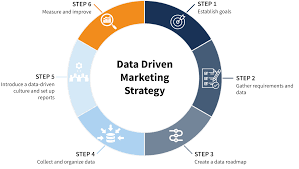
Embedding a data-driven mindset across all teams maximizes the impact of analytics. Regular upskilling, training sessions, and cross-functional projects empower staff to interpret and act on data insights. This democratization of data ensures everyone contributes to identifying opportunities and solving challenges. Leadership must also prioritize collaboration and alignment, fostering a culture where data is both trusted and actionable. Companies that champion these values remain agile, innovative, and primed for lasting growth.
Conclusion
The path to consistent revenue growth is paved with data-driven strategies that permeate every facet of an organization. From optimizing pricing to breaking down silos and personalizing the customer experience, analytics and technology unlock significant advantages. Investing in a robust, unified data approach guided by industry experts empowers companies to navigate uncertainty, outperform competitors, and achieve scalable, sustainable success.