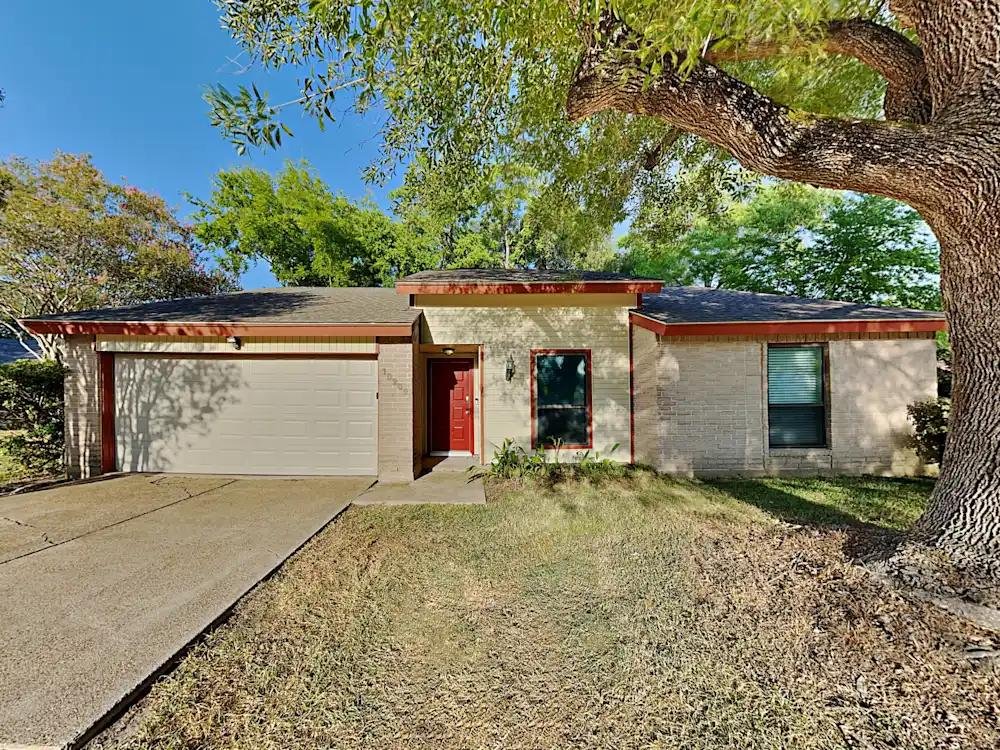
Home improvement decisions often begin with what is visible. Fresh paint, updated landscaping, and modern fixtures can dramatically change how a property looks and feels. Curb appeal plays an important role in pride of ownership and perceived value, especially when selling or refinancing. However, visual upgrades alone do not guarantee that a home will remain safe, efficient, or financially sound over time. Structural integrity, while less obvious, supports everything a homeowner enjoys visually. Finding the right balance between these two priorities is essential for making improvements that truly add lasting value.
Understanding the Purpose Behind Each Upgrade
Curb appeal improvements focus on aesthetics and first impressions. These include exterior paint, siding styles, decorative lighting, walkways, and entryways. Structural upgrades address the systems and components that keep a home safe and functional, such as foundations, framing, roofing, and load bearing elements.
Problems arise when one category consistently overshadows the other. A home may look impressive from the street while hiding serious structural concerns that lead to costly repairs later. On the other end of the spectrum, prioritizing only structural work without thoughtful finishing can leave a home feeling neglected or outdated.
Balanced improvement planning begins with understanding the role of each project. Visual upgrades can be enjoyable and motivating, but they are most effective when built upon a stable and well maintained structure.
Structural Health as the Foundation for Visual Updates
Before investing in exterior enhancements, homeowners benefit from evaluating the condition of the home’s core components. Issues like foundation settling, roof wear, or framing deterioration can undermine even the best cosmetic work. Paint may peel faster on surfaces affected by moisture, and new siding may conceal problems rather than solve them.
Roofing is a critical example of this relationship. A well designed roof protects interior spaces, supports energy efficiency, and maintains weather resistance. When homeowners consider aesthetic changes such as architectural shingles or updated profiles, they often consult professionals like Ace Roofing Company to ensure these visual improvements align with performance needs and structural realities.
Addressing structural health first provides confidence that aesthetic investments will endure. It also reduces the risk of needing to undo recent upgrades in order to repair underlying issues.
Budgeting for Balance Rather Than Short Term Impact
Budget constraints often drive homeowners toward projects that feel rewarding in the moment. New finishes and visible changes offer immediate satisfaction, while structural work may feel less tangible. However, short term visual impact should not outweigh long term cost considerations.
Structural repairs tend to grow more expensive when delayed. Minor foundation cracks, for instance, can widen over time and lead to extensive remediation. Roofing issues left unaddressed can cause interior damage that far exceeds the cost of early intervention.
A balanced budget accounts for both appearance and durability. Allocating funds toward inspections, maintenance, and essential repairs ensures the home remains stable. Visual improvements then become enhancements rather than distractions from unresolved issues.
How Materials and Craftsmanship Affect Both Goals
The materials chosen for home improvements influence both curb appeal and structural performance. Lower quality materials may look appealing initially but fail under stress, weather exposure, or time. Investing in durable materials that are appropriate for local climate conditions supports longevity without sacrificing style.
Craftsmanship also matters. Proper installation techniques ensure that exterior upgrades integrate seamlessly with the existing structure. Poor workmanship can lead to gaps, uneven load distribution, or compromised weather resistance, all of which impact structural integrity.
When materials and craftsmanship are selected with care, visual upgrades enhance rather than compete with the home’s core strength. This approach creates cohesion between form and function.
Planning Improvements as a Long Term Strategy
Homes evolve over time, and improvement projects should reflect a long term perspective rather than isolated decisions. Creating a roadmap for upgrades helps homeowners prioritize correctly and avoid redundant work. Structural assessments can guide the sequence of projects, ensuring essential repairs are completed before aesthetic changes.
This planning also allows homeowners to align improvements with life stages or future goals. A well balanced improvement strategy considers maintenance schedules, potential resale value, and changing household needs. Over time, the home benefits from consistent attention rather than rushed or reactive decisions.
When curb appeal and structural integrity are planned together, the result is a home that remains attractive, functional, and resilient year after year.
Conclusion
Curb appeal and structural integrity are not opposing goals, but they must be balanced carefully to create meaningful home improvements. Visual enhancements add charm and value, but they depend on a strong and stable foundation to last. Structural investments protect the home and support future upgrades, even if they are less noticeable at first glance. By evaluating needs holistically, budgeting thoughtfully, and planning with longevity in mind, homeowners can make decisions that enhance both the appearance and the integrity of their homes.