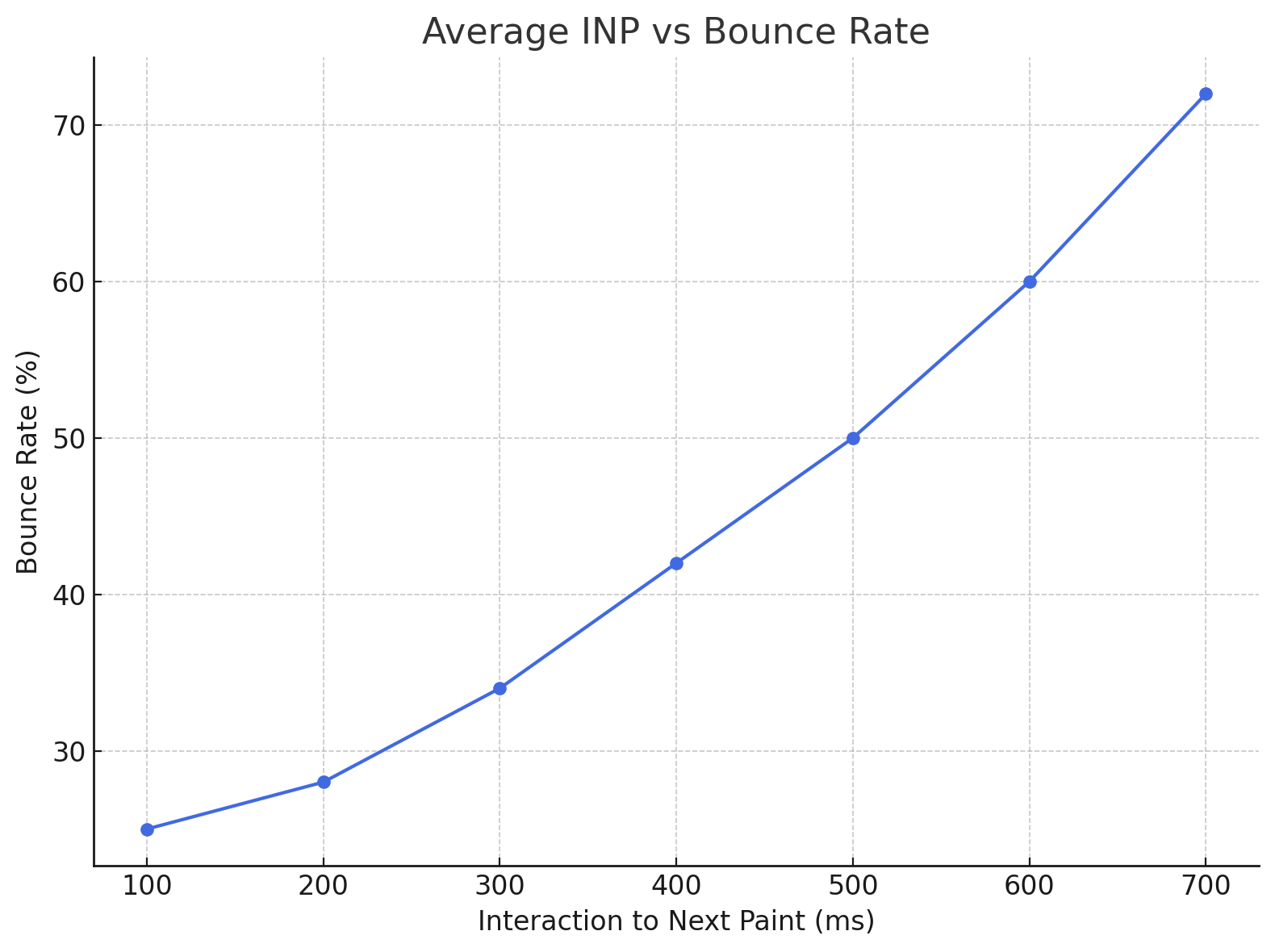
Google has once again raised the bar for performance. With the rollout of Core Web Vitals 2.0 in 2025, many websites are waking up to traffic losses they didn’t see coming. This isn’t just another tweak. It’s a fundamental change in how Google measures page experience , and your next website audit needs to catch up.
What Changed in Core Web Vitals
The big shift is that Google retired First Input Delay (FID) and replaced it with Interaction to Next Paint (INP). Instead of measuring just the first click, Google now evaluates how your site responds across all user interactions, buttons, menus, forms, everything.
Other metrics like Largest Contentful Paint (LCP) and Cumulative Layout Shift (CLS) remain, but the thresholds are tighter. Sites with slow hero images or unstable layouts are being penalized harder, especially on mobile.
In simple terms, Google is no longer satisfied with a site that just loads. It wants a site that feels smooth, responsive, and stable throughout the visit.
Why This Matters for You
If your site has:
- sluggish menus,
- buttons that lag before responding, or
- layouts that jump when ads or images load,
then you’re already on the wrong side of Core Web Vitals 2.0. That means higher bounce rates, lower rankings, and fewer conversions.
And here’s the kicker: many of these issues are invisible until you run a proper audit.
The Role of Website Audits in 2025
Traditional SEO audits looked at broken links, missing tags, and maybe page speed. That’s no longer enough. An effective audit today must also test:
- INP (how fast your site reacts to clicks)
- LCP (how quickly main content loads)
- CLS (how stable your design feels)
Running these checks regularly ensures your site doesn’t get blindsided by algorithm shifts.
That’s where using a tool like the Unmiss Website Audit Tool comes in. It doesn’t just surface technical errors; it highlights user-experience gaps that directly affect rankings under Core Web Vitals 2.0.
A Quick Example
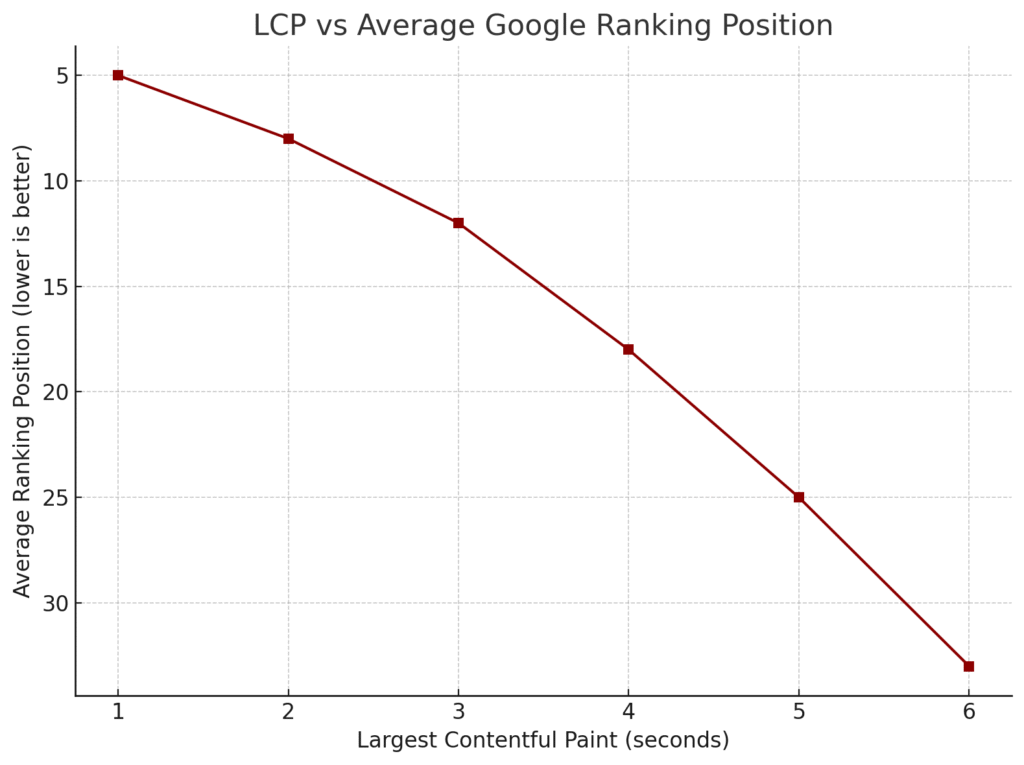
A lifestyle blog saw traffic drop 18% after the update. Their content was fine, but an audit revealed:
- A large homepage slider slowed their LCP,
- Multiple ad placements caused layout shifts,
- A heavy script made menu clicks laggy.
After optimizing images, restructuring ads, and trimming scripts, the blog recovered most of its lost visibility within two months.
Final Thoughts
Core Web Vitals 2.0 is Google’s way of saying: “Your site should feel as good as it looks.”
If you’re not auditing for responsiveness and stability, you’re leaving rankings and revenue on the table. The solution isn’t panic. It’s regular, smart auditing that keeps you ahead of the curve.