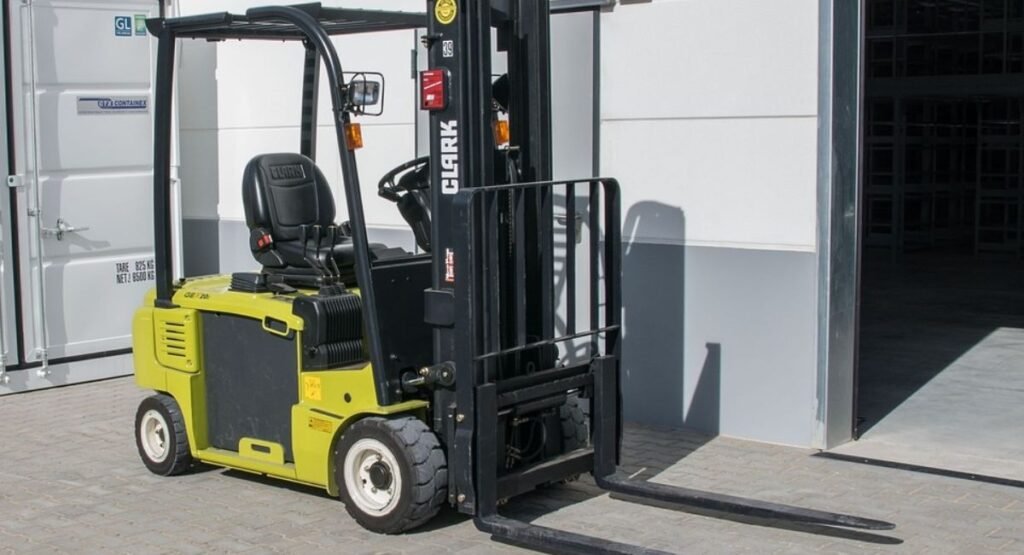
The purpose of an FLT refresher training is to provide training to the trained and certified forklift truck operators who want to gain renewed, updated, or new knowledge and practical skills. These courses are aimed at keeping the operators competent and in line with the health and safety expectations, industry standards, and the duties of the employer.
The UK lacks a legal forklift licence, but it is the duty of the employer to make sure that the operators are adequately trained and assessed according to the Health and Safety at Work etc. Act 1974 and PUWER regulations.
A FLT refresher course usually contains theory revision and a written or oral examination, which offers a systematic method for the experienced operators to rethink the best practices and industry updates.
Who Should Attend an FLT Refresher Course?
The FLT refresher course is suitable for:
- The operators whose certifications have expired or are about to expire.
- Individuals who are not regular forklift users require skill renewal.
- Unsafe practices have been evidenced by personnel, or they must be confident that they are operating safely.
- Employees who have swapped work, work sets, or tools.
This course is competent and keeps the operators in line with the latest equipment developments, legislation, and safety practices.
Key Components of a Quality FLT Refresher Course
The following are the elements that are generally included in a comprehensive FLT refresher course:
Theoretical Revision
In its theoretical content, the core issues are revisited, like:
- Employer liability and law.
- Lift truck-related health and safety laws.
- Reasons for truck and load instability.
- Risk evaluations and safety measures.
Practical Skills Assessment.
Operators engage in real-life activities to show:
- Pre-use inspections
- Stacking and methods of handling loads.
- Maneuvering within limited areas.
- Proper controls and hydraulic systems.
- Updated Legislation & Best Practices
Training highlighting any new equipment standards, PPE standards, or regulatory expectations is made so that operators are kept in line with and competent.
Duration and Format of FLT Refresher Courses
In the United Kingdom, an FLT refresher course generally takes a single working day.
This full-day program is a balance between theory and practical training, and not excessive downtime. The small groups in classes guarantee a personal approach and improved mastery of skills.
Others can be on-site training, where the provider obviously takes it at the business premises, or courses can be taken in a training centre.
Why Every Operator Should Consider Refresher Training
Enhanced Safety Awareness
The old operators may learn to develop unsafe habits. The FLT refresher course reiterates the proper approach to operating materials and machinery safely and eventually limits occurrences and injuries at workplaces.
Remain in the Regulatory Strauss
Even though refresher training is not a legal obligation, the HSE highly encourages frequent refresher training as an indication of effective training and competence.
Enhanced Inter-rater Reliability and Effectiveness
New training enhances the confidence of the operator, and this might bring more productivity, fewer errors, and less damage to the equipment.
Employer Benefits
Employers have the advantage of paying reduced insurance premiums, reduced accidents, and a safe working environment. It is a sign of high standards where a highly trained workforce is involved.
Relistic Skills Reviewed During the Course
The skills that will be reinforced in an FLT refresher course are:
- Inspection competency in pre-use.
- Experiential load manoeuvring.
- Proper practices in the dangerous areas.
- Adequate stacking and unloading.
These pragmatic skills not only guarantee compliance but also assist the operators to operate professionally and confidently with the changing conditions in the workplace.
Certification and Recognition
Operators are awarded a certificate of competence or card on successful completion of an FLT refresher course, which is typically accepted by industry organisations like RTITB or ITSSAR.
This certificate can become evidence of updated training, which can be invaluable in the event of a change of jobs, when it is necessary to bid for a contract, or address an audit requirement of the company.
How Often Should You Refresh Your FLT Training?
It is common practice in the industry to renew forklift training every 3 to 5 years; some employers may have their refresher training earlier on, also depending on how much weight is handled, how many incidents have been recorded, or if there has been a change of operation.
Operators who have not used equipment for long periods or have switched the type of forklift they use can also receive more frequent refresher training.
Choosing the Right FLT Refresher Course Provider
In choosing a course provider, make sure that they provide:
- Qualified, certified trainers who have good industry qualifications.
- Low student-to-teacher ratios are used in order to provide customised instructions.
- Specialised training depending on your equipment types and situations.
- Hands-on and theory strike to support the core competencies.
Recognised accreditation bodies like RTITB can guarantee high-quality training and promote employer confidence.
Conclusion
The FLT refresher course is a worthy investment for both employers and forklift operators in the UK. The new theoretical background, operational evaluations, and enhanced safety awareness ensure that operators are competent, compliant, and confident in their daily operations. Using a reputable provider that has good course design and accreditation, the businesses can significantly improve workplace safety, minimise risk, and increase operational efficiency.