
In today’s fast-paced business world, seamless payment solutions are crucial for success, and card processing is at the heart of this. “Complete Card Processing Guide in the UK: Everything You Need” aims to provide UK business owners with essential insights into the card processing landscape. From understanding the intricacies of card processing to selecting the best providers, this guide covers everything. It examines the fees, regulations, and security measures necessary for a safe and efficient payment system. Whether you’re launching a new business or looking to enhance your existing payment options, this guide serves as a practical resource. Dive in to understand how to optimize your card processing system to meet customer expectations and support business growth.
Understanding Card Processing Guide in the UK
The card processing guide in UK involves a complex network of systems, technologies, and regulations that enable businesses to accept card payments securely. It’s a multi-step process where a customer’s card information is captured, authenticated, and processed through a series of financial intermediaries before funds are transferred. Key terms like authorization, settlement, and clearing are fundamental to understanding this process. Additionally, UK regulations, such as PSD2 and GDPR, play a significant role in ensuring compliance and data protection in card transactions. Familiarity with these elements helps businesses prevent fraud, protect customer data, and maintain operational efficiency, making card processing both secure and user-friendly for UK businesses and customers alike.
Key Players in the UK Card Processing System
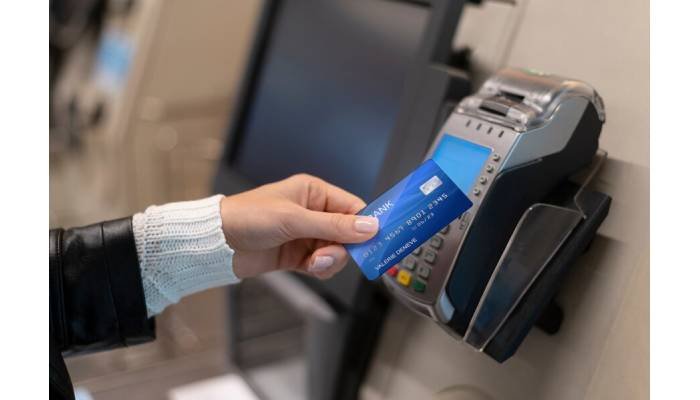
Several major players ensure the smooth operation of card payments in the UK. Payment gateways, card issuers, acquiring banks, and merchant service providers form the backbone of this ecosystem. Payment gateways act as the digital ‘tunnel’ through which transaction data flows, while card issuers and acquiring banks facilitate authorization and settlement processes. Additionally, third-party service providers offer payment terminals and online integration tools, making card processing accessible to businesses of all sizes. Understanding the role of each player helps merchants navigate this complex landscape, choose the right providers, and offer efficient payment solutions that meet both security standards and customer expectations in the UK market.
Essential Steps to Start Card Processing for Your Business
Starting card processing in the UK involves several essential steps that ensure a smooth and compliant payment experience. First, a business must partner with an acquiring bank and set up a merchant account, which allows funds from transactions to be deposited. Choosing a payment gateway is next, as it securely transmits customer payment data for authorization. Compliance with PCI DSS (Payment Card Industry Data Security Standard) and GDPR is also necessary to protect customer information. Once the infrastructure is in place, integrating card processing capabilities—whether via POS systems, e-commerce, or mobile payments—is key. By following these steps, businesses can offer customers convenient, secure payment options and streamline their transaction processes.
Benefits of a Comprehensive Card Processing Guide in the UK
A comprehensive card processing guide can be invaluable for UK businesses looking to optimize their payment systems. This guide offers insights into everything from regulatory compliance to cost management, helping business owners navigate the complexities of payment processing. Such knowledge enables businesses to choose suitable providers, minimize transaction costs, and implement secure, user-friendly payment solutions. Moreover, a thorough understanding of card processing helps prevent fraud, maintain data security, and improve the customer payment experience. Overall, a well-rounded guide equips business owners with the tools needed to streamline operations, make informed financial decisions, and foster customer trust in their payment systems.
Choosing the Right Card Processing Provider in the UK
Selecting the right card processing provider is a crucial decision for UK businesses. Providers offer a range of features, including payment gateway options, transaction fees, and security services, which can significantly impact a business’s finances and customer experience. It’s important to consider factors like transaction costs, processing speed, and customer support when choosing a provider. Many businesses in the UK look for providers that are compliant with PCI DSS and GDPR regulations to ensure data security. Comparing various providers based on these criteria allows businesses to find a service that balances cost and quality, helping them manage expenses while delivering a smooth, secure payment experience for their customers.
Card Processing Fees and How to Manage Costs in the UK
Card processing fees can be a significant expense for UK businesses, impacting their overall profitability. These fees typically include interchange fees, monthly service charges, and transaction fees, which can vary depending on the provider and transaction volume. Understanding these fees and the factors that influence them, such as the type of card used and payment methods, can help businesses make cost-effective choices. One way to manage these costs is to negotiate rates with providers, particularly as transaction volume grows. Additionally, opting for a provider that offers transparent pricing structures can reduce unexpected costs, allowing businesses to budget effectively and maximize their profit margins.
Top Security Tips for Safe Card Processing in the UK
- Security is paramount in card processing, as breaches can lead to financial loss and damage to customer trust.
- UK businesses must prioritize security measures such as PCI DSS compliance, which enforces strict data protection standards. Regular security audits, data encryption, and tokenization of card details add layers of protection against fraud.
- Businesses should also invest in secure payment gateways and educate employees on handling customer data responsibly.
- By implementing these practices, UK merchants can safeguard against cyber threats, ensure compliance with data protection laws like GDPR, and provide customers with a secure, reliable payment experience that builds confidence in the brand.
Conclusion
A card processing guide is an essential aspect of running a modern business in the UK, and understanding its complexities is key to leveraging it effectively. This guide provides valuable insights into every stage of card processing, from selecting providers to managing costs and securing transactions. By implementing the strategies and tips shared, businesses can optimize their payment systems, reduce costs, and maintain a secure environment that fosters customer trust. Whether you’re new to card processing or looking to improve your current system, this guide serves as a comprehensive resource, equipping you with the knowledge to create a seamless, compliant, and customer-friendly payment experience in the UK.