The silent crisis is forming in the hospitals, clinical facilities, and other care centers around the world not by patients but by those who serve patients. Caregivers, such as nurses, doctors, therapists, social workers and others are realizing that their best quality, empathy, is the slow-kill developing in them as the ultimate source of emotional exhaustion. This is known as a compassion fatigue.
Read more about compassion fatigue, symptoms and how to detect it early.
Compassion fatigue denotes a modified set of physical and emotional manifestations that arise in the caregivers who have been subjected to the affliction and distress of patients over a lengthy period of time. It does not take the whole of a night. Instead, it silkily seeps into it, and transforms the formerly ardent healthcare specialists into emotionless, overworked, and motivated people who barely can still render care with the same understanding and force as they previously did.
This article presents the psychology behind compassion fatigue and how it affects real-life experiences of caregivers, as well as how they can prevent and overcome the problem. With awareness, we wish to change the culture of the idea that emotional depletion is to be considered as just part of the job, and substitute with systems of support, validation and healing.
Understanding Compassion Fatigue
What is Compassion Fatigue?
Compassion fatigue is variously defined as the price of caring. It happens when by being exposed to the trauma and suffering of other people over and over again caregivers start to develop emotional residue in themselves. The same compassion that enables the caregivers to relate with patients is overtime presented as a source of secondary trauma.
However, in contrast to burnout an experience which generally is more linked to the burden and pressures of work, compassion fatigue is directly linked to the emotional aspect of dealing with the pain, loss and vulnerability of others.
Key symptoms include:
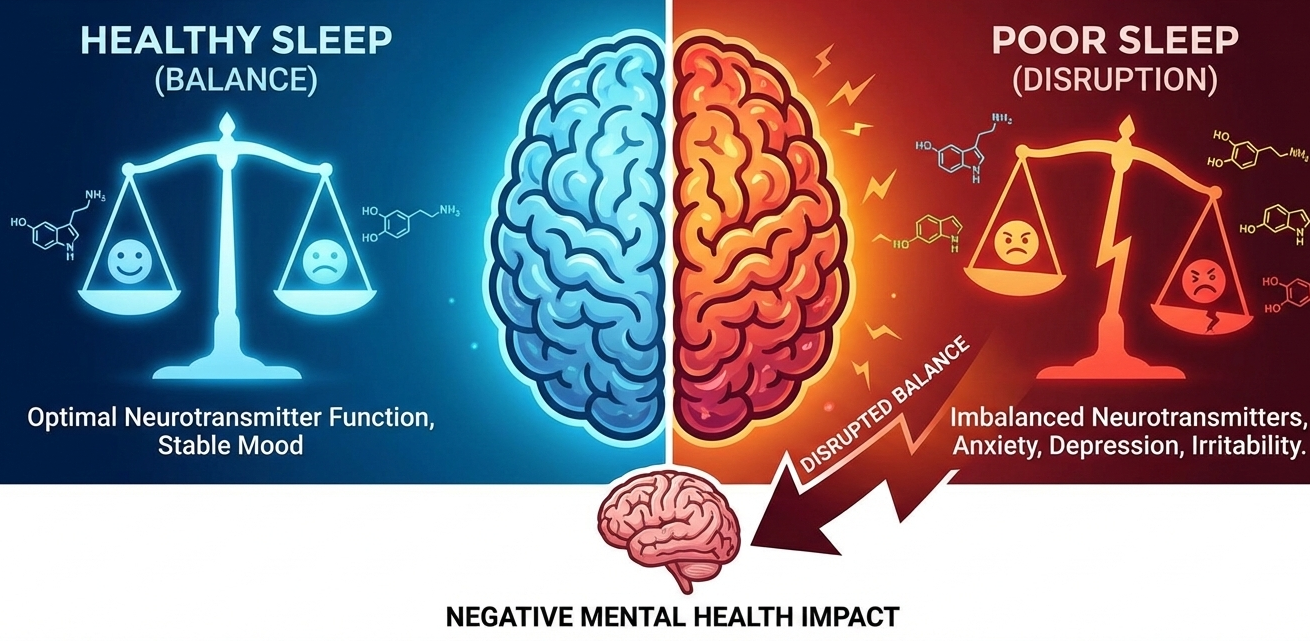
- Sleep disturbances
- Emotional numbness
- High irritability
- Loss of empathy
- Avoidance of emotional or patients triggers
- Feelings of guilt and helplessness
The Neuroscience of Empathy Overload
The same parts of the brain used to make one feel pain are those taken over in empathy. They cause the automatic reactivation of these neural pathways in the caregivers who learn to be very sensitive to the distress of other people. Lacking proper recovery, or coping strategies, this neurological overstimulation results in emotional burnout.
Basically, the brain starts responding by deactivating responsiveness to emotions, and the process is the defense mechanism which, in short term, is adaptive but conditionally destructive of long-term capabilities of care giving.
Real Life Stories: When Caring Hurts
Ada, a Pediatric Nurse in Abuja
“I enjoyed working with children, and I could not sleep after the two years in the oncology unit. I could not stop seeing their faces at night-those who did not make it. At some point, I did not connect anymore. I would just go in, do what was required and leave. What frightened me was that I was cold.”
David, a Paramedic in Manchester
Something changed after a case of teenage suicide occurred. I was unable to look his parents. I felt that I was disappointing everybody. I did not share it with anybody. I just thought I needed some rest. However, after week off I was more weighted. Detached.
They are not unique experiences- they speak to a much broader, largely unspoken reality that is experienced by caregivers.
Factors That Make Healthcare Workers Vulnerable
Not all people are blown away by compassion fatigue. Some professions and environments and personality characteristics predispose to gaps in health protection:
- High Intensity Specialities
Emergency care professionals, oncologists, palliative care providers and first responders to trauma scenes are regularly exposed to acute suffering and death.
- Lack of Emotional Support
Such caregivers would internalize the emotional discomfort when there is little access to the other caregivers, supervision or mental health resources of their caregivers.
- Personal Trauma History
Caregivers that feel a personal loss or a trauma of some kind may be more affected by the suffering of the patients and experience them more pervasively.
- Perfectionism and Self Sacrifice
Individuals who have high personal expectations or are prone to not take care of their personal needs are of especial risk.
The Ripple Effects of Compassion Fatigue
Compassion fatigue has more ramifications than just on the person providing care. It influences patient outcomes, teamwork and efficiency in the health system as a whole.
For Patients
- Lowered empathy during care
- High medical mistakes
- Shortage of emotional linking
For Teams
- Forced relationships between staff members
- High turnover and absenteeism
- Erosion of morale
For the Caregiver
- Substance abuse
- Anxiety and depression
- Failiure of personal relationships
- Exit from the profession
Compassion fatigue threatens the soul of healthcare, compassionate, human- centered care.
Differentiating Compassion Fatigue from Burnout
The two tend to intersect and even though this is a critical aspect, specification must take place in order to intervene effectively:
| Burnout | Compassion Fatigue |
| Systemic stress and workload stress bring it about. | As a result of being exposed emotionally to trauma |
| Gradually develops | Can come unexpectedly |
| Affects a lot of professions | Mainly affects caregiving roles |
| May gradually get better with time off or rest | Needs emotional support and processing |
Acknowledgement of this difference will allow the creation of more appropriate mental health engagement work in institutions with staff.
Coping with Compassion Fatigue
The Good News: With correct tools, habits, and support, the sex workers could avoid and handle compassion fatigue.
- Self Awareness and Early Detection
The initial thing is being able to identify the signs. Writing in the diary, recording moods, and self-analysis enable care givers to recognize the patterns of emotions. When numbness, irritability, or detachment sets in it is time to do something, not sit back and do nothing.
- Peer Support and Supervision
It is very therapeutic to discuss with people who have a good picture of the emotional landscape. Having a peer support group or a routine debrief following a challenging case establishes a place of safety to feel emotions.
Supervision (particularly in cases of mental health professionals), is a way of getting guided reflections and avoiding emotional overload.
- Establishing Boundaries
Caregivers also tend to have trouble establishing emotional boundaries and time. They can also pick up calls in the off hours, accept overtime, or fall into an emotional entanglement with patients.
The most important things to remember in order to avoid depletion are learning how to say, no, emotional detachment (it is not disconnection), and taking breaks.
- Professional Mental Health Support
Structured coping strategies can be suggested by the use of therapists specializing in vicarious trauma. CBT (Cognitive Behavioural Therapy), EMDR (Eye Movement Desensitization and Reprocessing) and mindfulness-based therapies have been found to be useful during treatment and care of compassion fatigue.
It is important to normalize therapy seeking instead of continuing to stigmatize them in caregiving disciplines.
- Restorative Self Care
Self-care is not just bubble baths and days at the spa, it is deeper healing both emotionally and physically. The good methods include:
- Regular exercise
- Spiritual practices
- Adequate sleep
- Meditation or mindfulness
- Social connection outside of work
- Creative outlets such as; music art and writing
The emotional bank is refilled by these treatments and helps in the control of the nervous system.
Institutional Responsibility: Compassion for the Caregiver
Individual caregivers should not take all the ills of guarding against compassion fatigue. The institutions are very fundamental in the aggravation or the relief of this condition.
Recommended Institutional Practices:
- Prescribe post traumatic debriefing processes
- Offer on site or thru the connection’s psychiatric services
- Train managers to be able to tell a sign of emotional distress
- Limit overtime and encourage time off
- Normalize vulnerability & vulnerability seeking behavior
- Cheer smart feelings of strength-not simply present performance
If organizations take emotional wellness seriously, they will keep healthier more compassionate staff.
Global Best Practices
The Netherlands – “Buddy Systems”
Netherlands Hospitals has implemented peer buddy systems in which every nursing or medical staff is partnered with a colleague as part of ongoing emotional check-ins.
Canada – “Compassion Care Program”
The presented initiative is about rotational mental health breaks, counselling, and group therapy among the palliative care staff.
Singapore – “Mindfulness in Medicine”
Singapore General Hospital incorporates mindfulness sessions into daily programs of the nurses and doctors.
These programs demonstrate to us that with the leadership support, compassion fatigue can be innovatively addressed.
Compassion as a Double-Edged Sword
Caring is the main component of any care-providing profession. It is what enables nurses to support surviving family members, trauma therapists to assist those that have been traumatized and doctors to allay the fears of their patients. But when there are no restrictions, empathy becomes two-edged sword- a sword that cuts both sides.
Caregivers need to be permitted to experience, exhibit and cope with their own emotions. Their role should include being regarded as more than only agents of healing, as human beings, who also require healing.
Conclusion: A Culture Shift Toward Sustainable Caring
Compassion fatigue does not refer to weakness of character. This does not mean that one is weak. It is a rational outcome of the long-term emotional work, which can not be supported.
The first step to recovery of the caregivers is by letting them know that they are human beings. That is to establish workplaces respecting vulnerability and supporting mental health and promoting restorative practices.
By moving our culture out of the mindset of push through it to let it process it, we make empathy strength, and not a burden. The giving should not come out at the expense of the giver’s health.